Growing Tomatoes in a Five-Gallon Bucket
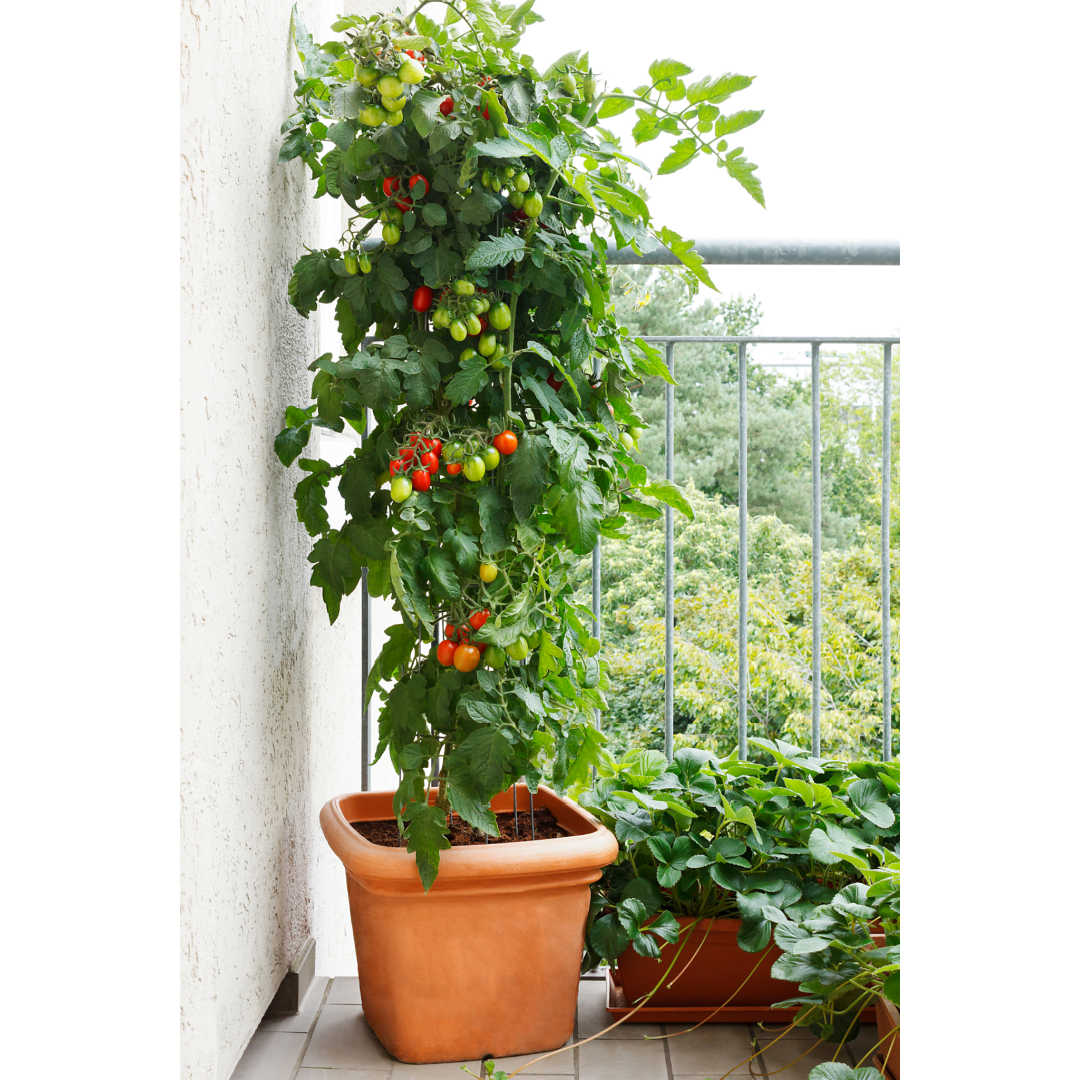
The sun is warming up, and that familiar tomato craving is kicking in – nothing beats a sun-ripened, juicy tomato straight from the garden! But what if you don't have a sprawling backyard? Don’t worry; you can still enjoy homegrown goodness.
Growing tomatoes in five-gallon buckets is a game-changer for urban gardeners, balcony enthusiasts, and anyone with limited space. It's a simple, cost-effective way to produce a surprising amount of delicious tomatoes right outside your door. Plus, container gardening gives you more control over soil quality and growing conditions, leading to healthier, tastier fruit.
Before you start, check your bucket for drainage. If it doesn't have any, drill 4-5 holes in the bottom. Proper drainage is crucial to prevent root rot and keep your tomato plants thriving.
Growing Tomatoes in Buckets: A Beginner’s Guide
Growing tomatoes in containers is easier than you think! This comprehensive guide will walk you through the entire process, from choosing the right variety to harvesting your bumper crop.
Choosing the Right Tomato Variety
Not all tomatoes are created equal, especially when it comes to container gardening. Smaller, more compact varieties thrive in buckets.
Here are a few excellent choices for five-gallon buckets
Dwarf Varieties: Look for varieties specifically labeled as "dwarf" or patio.These are bred to stay small and produce well in containers. 'Tiny Tim,' 'Venus,' and 'Red Robin' are popular examples. Determinate Varieties: Determinate tomatoes grow to a fixed size and produce their fruit all at once. This makes them a good option for smaller spaces, as they won't sprawl as much as indeterminate varieties. 'Roma' and 'Celebrity' are reliable determinate choices. Bush Varieties: Similar to determinate, bush varieties are compact and well-suited for containers. 'Bush Early Girl' and 'Better Bush' are two well-known options. Cherry or Grape Tomatoes: These smaller tomatoes are prolific producers and tend to do very well in containers. 'Sungold,' 'Sweet Million,' and 'Black Cherry' are all excellent choices.
Avoid larger indeterminate varieties like 'Beefsteak' or 'Brandywine' unless you're prepared to provide significant staking and support, as these will quickly outgrow a five-gallon bucket. If you are determined to grow them, you'll likely need a larger container (10-gallon or more).
People Also Ask: What size tomato plant is best for a pot?
The best size tomato plant for a pot depends on the variety. Dwarf and bush varieties are naturally compact and suitable for smaller pots (5-gallon is often sufficient). For larger indeterminate varieties, choose a 10-gallon pot or larger to accommodate their extensive root systems and growth.
Preparing Your Bucket for Planting
Before planting, it's crucial to set up your bucket for success. This involves choosing the right potting mix and ensuring proper drainage.
1.Drainage: As mentioned earlier, drainage holes are essential. If your bucket doesn't have them, drill several (at least 4-5) evenly spaced around the bottom.
2.Potting Mix: Don't use garden soil in your containers! Garden soil compacts easily and doesn't drain well, leading to root problems. Instead, use a high-quality potting mix specifically formulated for containers. Look for mixes that contain peat moss, perlite, vermiculite, and compost. These ingredients provide good drainage, aeration, and nutrients.
3.Adding Nutrients: Consider adding slow-release fertilizer to your potting mix at planting time. This will provide a steady supply of nutrients to your tomato plants throughout the growing season. Follow the instructions on the fertilizer package carefully. You can also mix in some compost or worm castings for an extra boost.
4.Optional: Bottom Layer: Some gardeners like to add a layer of gravel or broken pottery to the bottom of the bucket to further improve drainage. While this isn't strictly necessary, it can be helpful, especially if you tend to overwater.
People Also Ask: What is the best potting mix for growing tomatoes in containers?
The best potting mix for container tomatoes is a well-draining blend that retains moisture and provides adequate nutrients. Look for mixes containing peat moss, perlite, vermiculite, and compost. Avoid using garden soil, which can compact and hinder drainage.
Planting Your Tomato Seedling
Now comes the fun part: planting your tomato seedling!
1.Choose a Healthy Seedling: Select a healthy tomato seedling with a thick stem and vibrant green leaves. Avoid plants that are leggy, yellowed, or have signs of disease.
2.Bury Deep: Tomatoes are unique in that they can grow roots along their stems. When planting, bury the seedling deep, leaving only the top few sets of leaves exposed. This encourages a stronger root system and a more robust plant.
3.Water Thoroughly: After planting, water your tomato seedling thoroughly until water drains out of the bottom of the bucket. This helps settle the soil and gets the roots off to a good start.
4.Sunlight: Place your bucket in a location that receives at least 6-8 hours of direct sunlight per day. Tomatoes need plenty of sun to produce abundant fruit.
5.Support: Depending on the variety, you may need to provide support for your tomato plant. A simple stake or tomato cage can help prevent the plant from toppling over as it grows and fruits. Install the support at planting time to avoid damaging the roots later on.
People Also Ask: How deep do you plant tomatoes in pots?
Plant tomato seedlings deep in pots, burying the stem up to the first set of leaves. This encourages more root growth along the buried stem, resulting in a stronger, healthier plant.
Caring for Your Tomato Plants
Once your tomato plants are in their buckets, proper care is essential for a bountiful harvest.
Watering: Tomatoes need consistent watering, especially when grown in containers. Check the soil moisture daily and water when the top inch feels dry to the touch. Avoid overwatering, which can lead to root rot. Water deeply, allowing the water to drain out of the bottom of the bucket. Fertilizing: Even with slow-release fertilizer at planting time, your tomato plants will benefit from regular feeding throughout the growing season. Use a balanced liquid fertilizer every 2-3 weeks, following the instructions on the package. Look for a fertilizer specifically formulated for tomatoes, as these typically have a higher phosphorus content, which promotes flowering and fruiting. Pruning: Pruning can help improve air circulation and encourage fruit production, especially for indeterminate varieties. Remove suckers (the small shoots that grow in the junction between the main stem and the branches) to direct the plant's energy towards fruit production. Pest and Disease Control: Monitor your tomato plants regularly for signs of pests or diseases. Common pests include aphids, whiteflies, and tomato hornworms. Diseases like early blight and Septoria leaf spot can also affect tomatoes. Treat any problems promptly with appropriate organic pest control methods or fungicides. Neem oil is a good all-purpose option for many common tomato pests and diseases. Mulching:Applying a layer of mulch around the base of your tomato plants can help retain moisture, suppress weeds, and regulate soil temperature. Use organic mulches like straw, shredded leaves, or wood chips.
People Also Ask: How often should you water tomatoes in pots?
Water tomatoes in pots when the top inch of soil feels dry to the touch. This may be daily or every other day, depending on the weather, the size of the pot, and the stage of plant growth. Water deeply until excess water drains from the bottom.
Harvesting Your Tomatoes
The most rewarding part of growing tomatoes is, of course, harvesting the fruits of your labor!
Ripeness: Tomatoes are typically ready to harvest when they are fully colored, slightly soft to the touch, and easily detach from the vine. The color will depend on the variety, but look for a deep, even color. Harvesting Technique: Gently twist or cut the tomato from the vine, leaving a small piece of stem attached. Storage:Store ripe tomatoes at room temperature for the best flavor. Avoid refrigerating them, as this can make them mealy and less flavorful. If you have a bumper crop, you can preserve your tomatoes by canning, freezing, or drying them.
How long do tomatoes take to grow in a 5-gallon bucket?
From transplanting a seedling to harvesting ripe tomatoes, expect about 60-85 days, depending on the variety and growing conditions. Cherry tomatoes typically ripen sooner than larger varieties.
Growing tomatoes in five-gallon buckets is a surprisingly simple and rewarding way to enjoy fresh, homegrown tomatoes, even without a traditional garden. Don’t be afraid to experiment with different varieties and techniques to find what works best for you and your space. Each season is a learning opportunity, and the taste of that first sun-ripened tomato makes it all worthwhile!
Post a Comment for "Growing Tomatoes in a Five-Gallon Bucket"