How to Grow Tomatoes in Bags Without a Garden
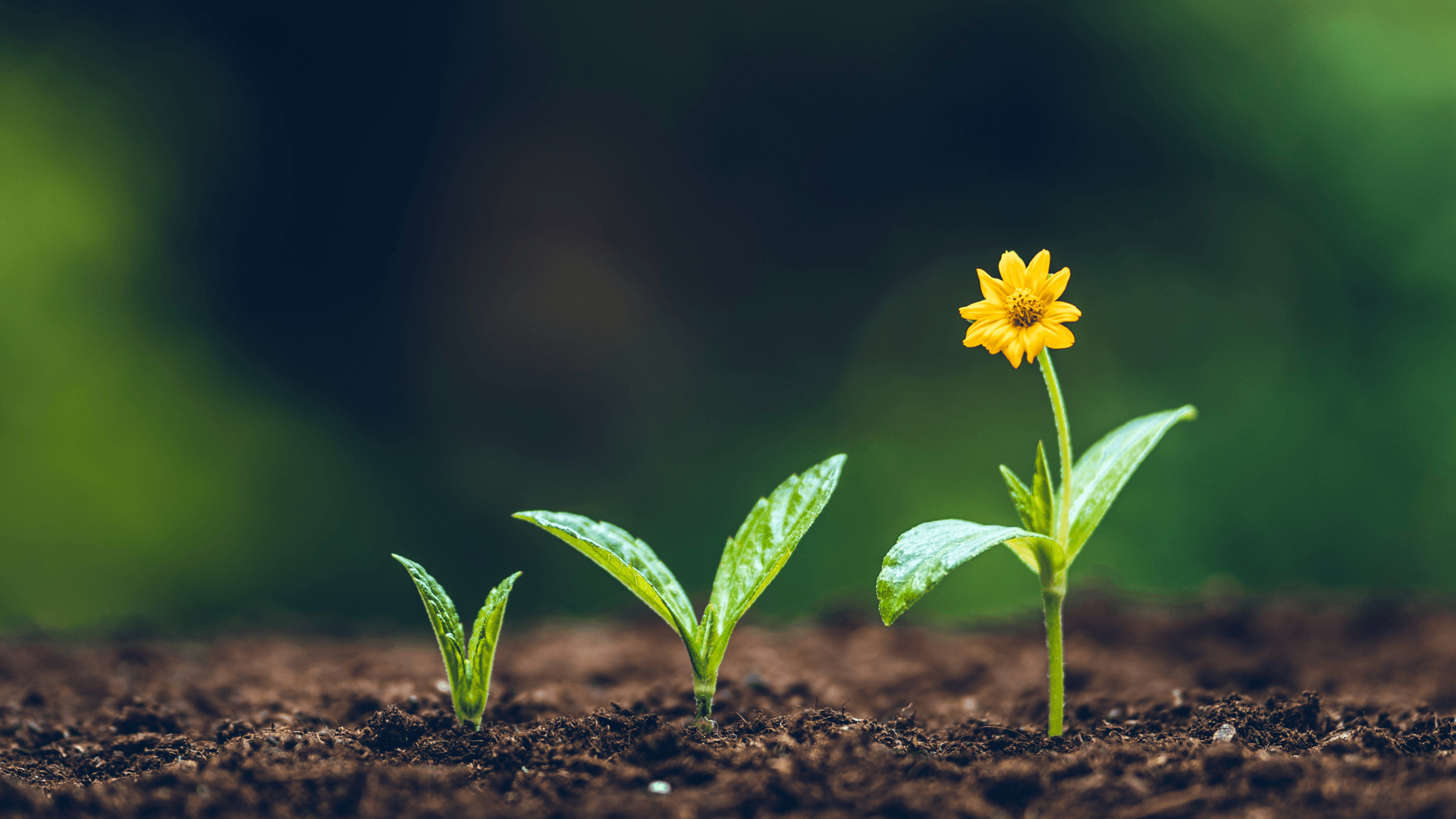
Imagine sinking your teeth into a sun-ripened tomato, bursting with flavor, fresh from yourowngarden. Sounds idyllic, right? But what if you don’t have a traditional garden? Don’t worry! You can absolutely enjoy homegrown tomatoes, even without acres of land.
Growing tomatoes in bags is a game-changer for home gardeners. It unlocks the possibility of fresh, delicious tomatoes for anyone with a sunny patio, balcony, or even a small deck. This method is incredibly space-efficient, often yields impressive results, and it’s surprisingly easy to set up. Plus, you have complete control over the soil, ensuring your tomatoes get the perfect nutrients for maximum flavor and size.
Ready for a quick tip? Before you even buy your tomato plants, think about where you'll place your bags. Tomatoes need at least 6-8 hours of direct sunlight daily to thrive! Now, let's dive into the exciting world of growing tomatoes in bags!
Getting Started with Tomato Bag Gardening
Growing tomatoes in bags opens up a world of possibilities for gardeners who are short on space or working with challenging soil conditions. It's a simple, effective method that puts you in control of your tomato-growing environment.
Choosing the Right Bag
The foundation of successful bag gardening is, well, the bag! Opt for sturdy, UV-resistant grow bags made from fabric or heavy-duty plastic. These bags should be at least 10-15 gallons in size to provide adequate space for the tomato plant's root system to develop. Larger bags generally lead to larger, healthier plants and bigger yields. Avoid thin plastic bags as they can tear easily and don't offer the drainage and aeration benefits of grow bags.
Selecting the Perfect Tomato Variety
Not all tomatoes are created equal when it comes to container gardening. Determinate varieties, also known as bush tomatoes, are generally a better choice for bags. These tomatoes grow to a compact size and produce all their fruit at roughly the same time. Indeterminate varieties, on the other hand, are vining tomatoes that continue to grow and produce fruit throughout the season, potentially becoming too large for a bag.
Popular determinate varieties for bag gardening include: Roma: A classic paste tomato, perfect for sauces and canning. Celebrity: A reliable all-purpose tomato with good disease resistance. Better Bush: A compact variety specifically bred for containers. Patio: As the name suggests, ideal for small spaces.
Youcangrow indeterminate varieties in bags, but you'll need to provide substantial support, such as a tall tomato cage or trellis, and be prepared for more vigorous growth. If you choose an indeterminate variety, consider cherry or grape tomatoes, as they tend to be more manageable.
Preparing the Ideal Soil Mix
The right soil mix is crucial for healthy tomato growth. Avoid using garden soil directly in your bags, as it can become compacted and doesn't drain well. Instead, create a well-draining, nutrient-rich potting mix. A good blend consists of: Potting soil: Provides structure and aeration. Compost: Adds essential nutrients and improves water retention. Perlite or vermiculite:Enhances drainage and aeration.
Aim for a mix that is light and airy, allowing for good root development. You can also add a slow-release fertilizer to the mix to provide a steady supply of nutrients throughout the growing season. Consider adding a handful of bone meal to the bottom of the bag; this will provide phosphorus, which is vital for root development and fruit production.
Where should I put my tomato bag?
Sunlight is non-negotiable for successful tomato growing. Choose a location that receives at least 6-8 hours of direct sunlight per day. A south-facing balcony or patio is ideal. Make sure the location is also sheltered from strong winds, which can damage the plants. Consider placing your bags near a wall or fence for added protection. Before you commit, observe the area throughout the day to ensure it consistently receives enough sunlight.
Planting Your Tomato Seedlings
Now for the fun part – planting your tomato seedlings!
1.Dig a hole: Carefully dig a hole in the center of the bag, deep enough to accommodate the root ball of the tomato seedling.
2.Remove lower leaves: Gently remove the lower leaves from the tomato seedling, leaving only the top few sets of leaves. This will encourage the plant to develop a stronger root system.
3.Plant deeply: Place the tomato seedling in the hole, burying the stem up to the first set of leaves. Tomatoes can grow roots along their stems, so planting deeply will result in a more robust plant.
4.Water thoroughly: Water the newly planted seedling thoroughly, ensuring that the soil is evenly moist.
5.Mulch: Add a layer of mulch around the base of the plant to help retain moisture and suppress weeds. Straw, wood chips, or shredded bark are all good options.
How often should I water tomatoes in bags?
Watering is critical for tomato growth. Check the soil moisture daily, especially during hot weather. Tomatoes in bags tend to dry out quickly, so you may need to water them every day or even twice a day in extreme heat. The best way to determine if your tomato plant needs water is to stick your finger into the soil about an inch deep. If the soil feels dry, it's time to water. Water deeply, ensuring that the entire root zone is moistened. Avoid overhead watering, as this can lead to fungal diseases. Instead, water at the base of the plant.
How can I support my tomato plants in bags?
As your tomato plants grow, they will need support to prevent them from toppling over. Install a tomato cage or trellis around each plant shortly after planting. This will provide support for the stems and branches as they become laden with fruit. Make sure the cage or trellis is sturdy enough to withstand the weight of the mature plant. You can also use stakes to support individual stems, but cages or trellises generally provide better overall support.
Caring for Your Tomato Plants
Consistent care is essential for a bountiful harvest.
Fertilizing for Flavor and Size
Tomatoes are heavy feeders and require regular fertilization to produce abundant, flavorful fruit. Use a balanced tomato fertilizer, following the instructions on the package. Fertilize every 2-3 weeks, starting a few weeks after planting. You can also supplement with liquid seaweed or fish emulsion for added nutrients. Avoid over-fertilizing, as this can lead to excessive foliage growth at the expense of fruit production.
Pruning for Maximum Yield
Pruning can help improve air circulation, reduce disease, and encourage fruit production. Remove suckers, which are the small shoots that grow in the "V" between the main stem and branches. These suckers steal energy from the plant and can lead to a crowded, unproductive plant. Prune regularly throughout the growing season, especially if you're growing indeterminate varieties.
Protecting Against Pests and Diseases
Tomatoes are susceptible to a variety of pests and diseases. Monitor your plants regularly for signs of trouble. Common pests include aphids, whiteflies, and tomato hornworms. These can be controlled with insecticidal soap or by handpicking. Common diseases include early blight, late blight, and blossom end rot. Preventative measures include providing good air circulation, avoiding overhead watering, and using disease-resistant varieties. If you spot signs of disease, treat promptly with a fungicide. Blossom end rot is often caused by calcium deficiency, which can be addressed by adding calcium to the soil or using a calcium-containing foliar spray.
How long do tomatoes take to grow?
The time it takes for tomatoes to mature depends on the variety and growing conditions. Generally, tomatoes take 60-85 days from transplanting to harvest. Cherry and grape tomatoes tend to mature faster than larger beefsteak varieties. Provide your plants with consistent care, including adequate sunlight, water, and fertilizer, to ensure they mature as quickly as possible.
Can tomatoes grow indoors year-round?
While it's possible to grow tomatoes indoors year-round, it requires providing them with the right conditions. Tomatoes need at least 6-8 hours of direct sunlight per day, which can be challenging to provide indoors, especially during the winter months. You may need to supplement with grow lights to ensure they receive enough light. Indoor tomato plants also require good air circulation and regular watering and fertilization. Choose compact, determinate varieties that are well-suited for container gardening.
Harvesting Your Bounty
The moment you've been waiting for – harvesting your homegrown tomatoes!
Tomatoes are ready to harvest when they are fully colored, slightly soft to the touch, and easily detach from the vine. Gently twist the tomato from the vine, taking care not to damage the plant. The flavor of homegrown tomatoes is best when they are allowed to ripen on the vine. However, if you're concerned about pests or diseases, you can harvest them when they are slightly underripe and allow them to ripen indoors. Store harvested tomatoes at room temperature, away from direct sunlight, for the best flavor. Refrigerating tomatoes can diminish their flavor and texture.
Growing tomatoes in bags is a rewarding experience that allows you to enjoy fresh, homegrown tomatoes even without a traditional garden. Don't be afraid to experiment with different varieties, soil mixes, and growing techniques to find what works best for you. With a little care and attention, you'll be enjoying delicious, homegrown tomatoes in no time. Happy gardening!
Post a Comment for "How to Grow Tomatoes in Bags Without a Garden"