How to Grow Tomatoes in a Greenhouse for High Yields
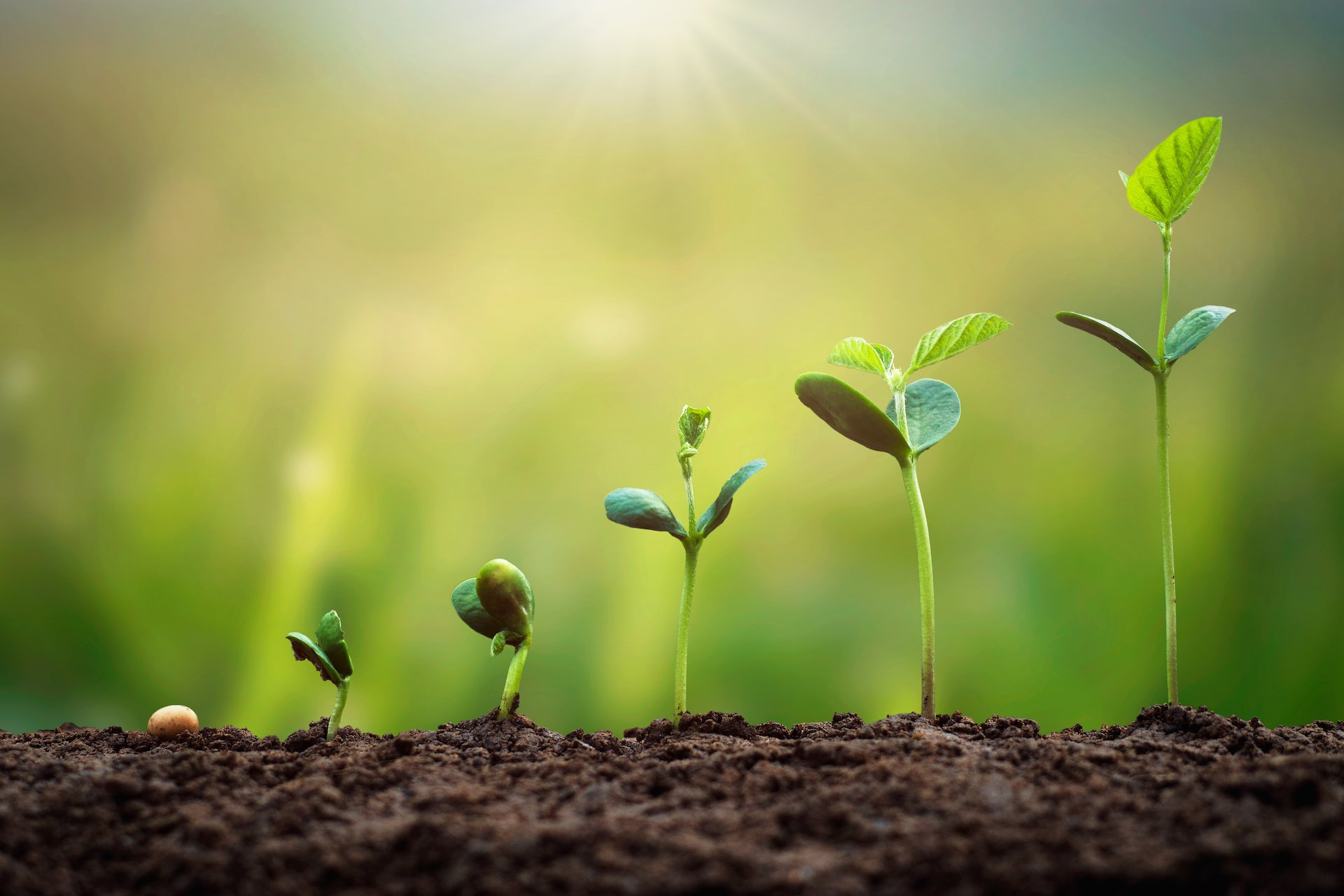
Imagine biting into a sun-warmed, perfectly ripe tomato bursting with flavor – a taste of summer you can create right in your own backyard, or even indoors! Growing tomatoes can be incredibly rewarding, but for truly impressive yields and the tastiest fruit, a greenhouse offers a significant advantage.
Why should you consider growing tomatoes in a greenhouse? The answer is simple: control. Greenhouses allow you to manage temperature, humidity, and pests, creating the ideal environment for your tomato plants to thrive, resulting in earlier harvests, bigger yields, and better-tasting tomatoes, regardless of the weather outside. Plus, if you're short on space, growing vertically within a greenhouse can maximize your harvest in a smaller area.
Want to give your tomato plants a boost right now? Try this: gently shake your tomato plants’ stems a couple of times a week once they start flowering. This helps with pollination, leading to more tomatoes!
Getting Started: Planning Your Greenhouse Tomato Garden
Before you rush out and buy tomato seedlings, a little planning goes a long way. Consider these key factors: Greenhouse Size and Location: How much space do you have available? Even a small greenhouse can make a big difference. Choose a location that receives plenty of sunlight. Tomato Variety: Not all tomatoes are created equal. Determinate varieties are bushier and reach a set size, making them good for containers. Indeterminate varieties vine and keep growing, requiring staking or caging and generally producing more fruit over a longer period. Popular greenhouse choices include ‘Early Girl,’ ‘Beefsteak,’ ‘Roma,’ and cherry tomato varieties like ‘Sungold.’ Consider disease resistance when making your selection. Growing Method: Will you be growing directly in the greenhouse soil, in raised beds, or in containers? Each method has its pros and cons. Support System: Indeterminate tomato plants need support. Options include stakes, cages, trellises, or a string system.
What are the best tomato varieties for greenhouse growing?
Generally, indeterminate tomato varieties that are resistant to common diseases tend to perform best in greenhouses. 'Early Girl', 'Big Beef', 'Celebrity', 'Cherokee Purple', and various cherry tomato types are all popular choices. Look for varieties labeled as "disease-resistant" or with codes like V, F, N, T, and A on the seed packet, which indicate resistance to specific diseases.
Preparing Your Greenhouse for Tomatoes
Creating the right environment is crucial for success. Here's what you need to focus on: Temperature: Tomatoes thrive in temperatures between 70-85°F (21-29°C) during the day and 60-68°F (15-20°C) at night. Install a ventilation system or vents to regulate temperature, especially during hot weather. A greenhouse heater might be necessary for cooler climates. Humidity: High humidity can lead to fungal diseases. Aim for a humidity level between 60-70%. Good ventilation is key to managing humidity. Light: Tomatoes need at least 6-8 hours of direct sunlight per day. If your greenhouse doesn't receive enough natural light, consider using grow lights. Soil: Use a well-draining, nutrient-rich soil mix. If planting directly in the ground, amend the soil with compost and other organic matter. For containers, use a high-quality potting mix specifically formulated for vegetables. Watering System:Consistent watering is essential. Consider a drip irrigation system or soaker hoses to deliver water directly to the roots.
What is the best soil for growing tomatoes in a greenhouse?
The best soil for tomatoes is well-draining, rich in organic matter, and slightly acidic (p H 6.0-6.8). You can create your own mix using equal parts compost, peat moss (or coconut coir), and perlite or vermiculite. Alternatively, use a commercially available potting mix designed for vegetables.
Planting Your Tomato Seedlings
Once your greenhouse is prepared, it's time to plant your tomato seedlings.
1.Harden Off Seedlings: Before transplanting, gradually acclimate your seedlings to the greenhouse environment by exposing them to increasing periods of time each day for about a week. This helps prevent transplant shock.
2.Planting Depth: Plant your seedlings slightly deeper than they were in their original containers. This encourages the development of more roots.
3.Spacing: Space your tomato plants according to the variety and your chosen growing method. Generally, allow 2-3 feet between plants.
4.Water Thoroughly: After planting, water your seedlings thoroughly.
5.Mulch: Apply a layer of mulch around the base of the plants to help retain moisture and suppress weeds.
How long do tomato plants take to grow in a greenhouse?
The time it takes for tomato plants to produce fruit varies depending on the variety and growing conditions. Generally, expect to harvest your first tomatoes 60-85 days after transplanting. Greenhouse-grown tomatoes often mature earlier than those grown outdoors.
Caring for Your Greenhouse Tomato Plants
Consistent care is essential for maximizing yield and preventing problems.
Watering: Water deeply and regularly, especially during hot weather. Avoid overhead watering, which can promote fungal diseases. Let the top inch or two of soil dry out between waterings. Fertilizing: Feed your tomato plants regularly with a balanced fertilizer. Start with a fertilizer high in phosphorus to encourage root development, then switch to a fertilizer higher in potassium to promote fruit production. Follow the instructions on the fertilizer label. Pruning: Prune your tomato plants regularly to remove suckers (small shoots that grow in the junction between the main stem and branches). This helps improve air circulation and encourages fruit production. For indeterminate varieties, prune to a single stem for maximum yield in a greenhouse setting. Pollination: While tomatoes are self-pollinating, greenhouse-grown tomatoes may need assistance. Gently shake the plants or use a small brush to transfer pollen from flower to flower. You can also use a small fan to circulate air and aid pollination. Pest and Disease Control:Monitor your plants regularly for pests and diseases. Common tomato pests include aphids, whiteflies, and spider mites. Treat infestations with insecticidal soap or neem oil. Prevent fungal diseases by maintaining good air circulation and avoiding overhead watering. Consider using copper-based fungicides as a preventative measure.
What are some common pests and diseases that affect greenhouse tomatoes?
Common pests include aphids, whiteflies, spider mites, and tomato hornworms. Common diseases include early blight, late blight, Septoria leaf spot, and blossom end rot. Implementing preventative measures, such as maintaining good sanitation and air circulation, and using disease-resistant varieties can help minimize problems.
Harvesting Your Greenhouse Tomatoes
The most rewarding part of growing tomatoes is harvesting the fruits of your labor!
Ripeness: Tomatoes are ripe when they are fully colored and slightly soft to the touch. Harvesting Technique: Gently twist or cut the tomato from the vine, leaving a small piece of stem attached. Storage:Store ripe tomatoes at room temperature, away from direct sunlight. Avoid refrigerating them, as this can affect their flavor and texture.
Tips for Growing Bigger Tomatoes in a Greenhouse
Choose the Right Variety: Select varieties known for producing large fruit. Prune Aggressively: Remove suckers and excess foliage to direct the plant's energy towards fruit production. Fertilize Properly: Use a fertilizer high in potassium. Water Consistently: Avoid letting the soil dry out. Thin the Fruit:Remove some of the smaller tomatoes to allow the remaining fruit to grow larger.
Growing tomatoes in a greenhouse might seem a little daunting at first, but with a little planning and care, you'll be enjoying delicious, homegrown tomatoes in no time. Don't be afraid to experiment with different varieties and techniques to find what works best for you. The most important thing is to get started and enjoy the process! With each season, you’ll learn more and refine your approach, leading to even more bountiful harvests. Happy gardening!
Post a Comment for "How to Grow Tomatoes in a Greenhouse for High Yields"