Indoor Tomato Growing Step-by-Step Guide
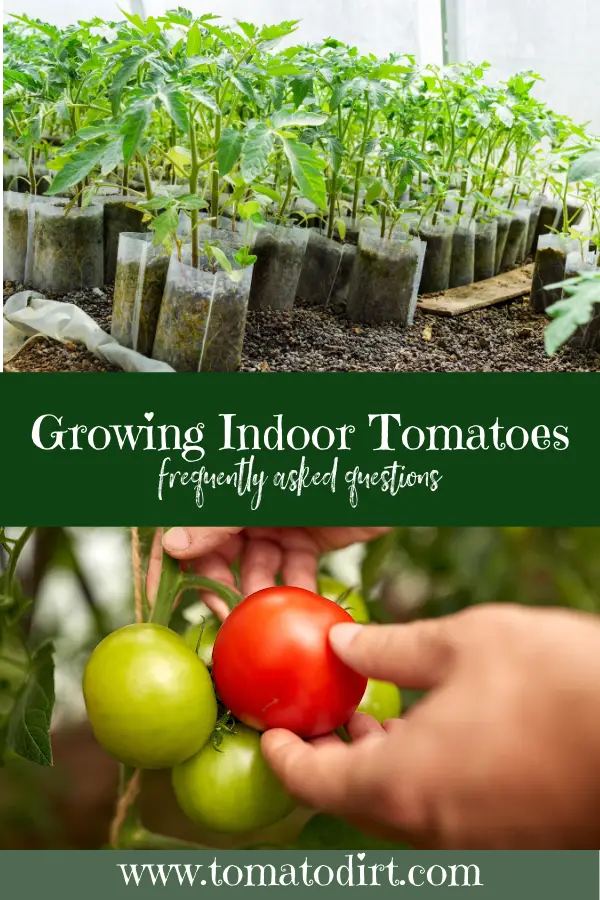
Imagine plucking a sun-ripened, juicy tomato straight from the vine, even when the snow is falling outside. Sounds like a dream, right? Well, with a little know-how, you can make that dream a reality and enjoy fresh, homegrown tomatoes all year round.
Growing tomatoes indoors isn’t just about having fresh produce at your fingertips; it's about controlling the growing environment to maximize yield and flavor. Plus, it's a fantastic option for those with limited outdoor space or those who want to extend their growing season. Imagine bypassing those bland, store-bought tomatoes and biting into a sweet, tangy tomato you nurtured yourself!
Want to get started right away? Try this simple tip: Ensure your indoor tomato plants get at least 6-8 hours of light daily. If you don't have a sunny window, invest in a good quality grow light. Proper lighting is the key to strong, healthy plants and, ultimately, delicious tomatoes!
Growing Tomatoes Indoors: Your Step-by-Step Guide to Success
Growing tomatoes indoors might seem daunting, but it’s a rewarding experience that brings the taste of summer indoors. This guide will walk you through each step, from choosing the right variety to harvesting your delicious, homegrown tomatoes.
Choosing the Right Tomato Variety
The first step to indoor tomato success is selecting the right variety. Not all tomato plants are created equal, and some are better suited for indoor growing than others.
Determinate vs. Indeterminate: Determinate varieties are bushier and grow to a fixed size, making them ideal for containers and smaller spaces. Indeterminate varieties, on the other hand, continue to grow and produce fruit throughout the season, requiring more support and pruning. For indoor growing, determinate varieties are generally easier to manage. Consider Size: Look for compact or dwarf varieties specifically bred for containers. Popular choices include 'Tiny Tim,' 'Patio Princess,' 'Roma,' and 'Better Bush'. These varieties tend to produce smaller fruit, but they do so abundantly. Disease Resistance:Opt for varieties with good disease resistance. Look for labels indicating resistance to common tomato diseases like Verticillium wilt (V), Fusarium wilt (F), and nematodes (N).
Setting Up Your Indoor Tomato Garden
Creating the right environment is crucial for successful indoor tomato growing. Here’s what you need to consider: Lighting: Tomatoes need a lot of light – ideally 6-8 hours of direct sunlight per day. If you don’t have a south-facing window that provides enough light, you’ll need to supplement with grow lights. LED grow lights are energy-efficient and provide the full spectrum of light needed for healthy growth and fruit production. Position the lights a few inches above the plants and adjust as they grow. Containers: Choose containers that are at least 12 inches in diameter and depth. This gives the roots enough room to grow. Make sure the containers have drainage holes to prevent waterlogging. Fabric pots are a great option as they allow for good aeration and drainage. Soil: Use a high-quality potting mix specifically formulated for vegetables. Avoid using garden soil, as it can be too heavy and doesn’t drain well. A good potting mix will provide the right balance of nutrients, aeration, and drainage for healthy tomato growth. You can also amend your potting mix with compost for added nutrients. Temperature: Tomatoes thrive in temperatures between 65-80°F (18-27°C). Avoid placing your plants near drafty windows or heating vents. Humidity:Maintain moderate humidity levels. You can increase humidity by placing a tray of water near your plants or using a humidifier. Avoid overly humid conditions, which can promote fungal diseases.
How much light do indoor tomato plants need?
Indoor tomato plants need a minimum of 6-8 hours of direct light per day. If natural light is insufficient, supplement with LED grow lights positioned a few inches above the plants.
Planting Your Tomato Seedlings
Once you have your setup ready, it’s time to plant your tomato seedlings.
Starting from Seed: You can start your tomato seeds indoors 6-8 weeks before you plan to move them to their final containers. Sow the seeds in seed-starting trays or small pots filled with seed-starting mix. Keep the soil moist and warm (around 70-75°F or 21-24°C). Once the seedlings have developed a few sets of true leaves, they can be transplanted into larger containers. Transplanting Seedlings: When transplanting, handle the seedlings gently by the leaves, not the stems. Dig a hole in the potting mix large enough to accommodate the root ball. Place the seedling in the hole and gently backfill with soil, firming it around the base of the plant. Water thoroughly after planting. Spacing:If planting multiple tomato plants, space them at least 18-24 inches apart to allow for adequate air circulation and sunlight penetration.
Caring for Your Indoor Tomato Plants
Proper care is essential for healthy growth and abundant fruit production.
Watering: Water your tomato plants deeply and regularly, allowing the soil to dry slightly between waterings. Avoid overwatering, which can lead to root rot. Check the soil moisture by inserting your finger a couple of inches into the soil. If it feels dry, it’s time to water. Fertilizing: Tomatoes are heavy feeders and require regular fertilization. Use a balanced fertilizer specifically formulated for tomatoes, following the instructions on the label. Fertilize every 2-3 weeks, starting after the plants have set their first fruits. You can also use organic fertilizers like compost tea or fish emulsion. Pruning: Prune your tomato plants regularly to remove suckers (the small shoots that grow between the main stem and branches). Pruning helps improve air circulation, reduces disease risk, and encourages fruit production. For determinate varieties, minimal pruning is needed. For indeterminate varieties, regular pruning is essential to keep the plants manageable. Pollination: Indoor tomato plants may need assistance with pollination. You can hand-pollinate by gently shaking the plants or using a small brush to transfer pollen from one flower to another. Another option is to use a small fan to circulate air around the plants, which can help with pollination. Support: As your tomato plants grow, they will need support to prevent them from falling over. Use stakes, cages, or trellises to support the plants and keep the fruits off the ground. Pest and Disease Control: Monitor your plants regularly for pests and diseases. Common tomato pests include aphids, whiteflies, and spider mites. Control pests with insecticidal soap or neem oil. Prevent diseases by providing good air circulation, avoiding overwatering, and removing any diseased leaves promptly.
Can tomatoes grow indoors year-round?
Yes, tomatoes can grow indoors year-round, provided you can maintain adequate light, temperature, and humidity levels. Choose determinate or dwarf varieties for easier management in indoor environments.
Harvesting Your Homegrown Tomatoes
Harvesting is the most rewarding part of growing tomatoes indoors!
Ripeness: Tomatoes are ready to harvest when they are fully colored and slightly soft to the touch. Gently twist the tomato from the vine, leaving the stem attached. Storage: Store ripe tomatoes at room temperature for the best flavor. Avoid refrigerating them, as this can affect their texture and taste.
Troubleshooting Common Problems
Even with the best care, you may encounter some challenges when growing tomatoes indoors. Here are some common problems and how to address them: Blossom End Rot: This is caused by a calcium deficiency and results in dark, sunken spots on the bottom of the tomatoes. To prevent blossom end rot, ensure consistent watering and add calcium to the soil (e.g., crushed eggshells or calcium supplements). Leaf Curl: This can be caused by various factors, including stress, overwatering, and nutrient deficiencies. Adjust your watering and fertilizing practices as needed. Yellowing Leaves: This can be a sign of nutrient deficiencies, overwatering, or pests. Check the soil moisture, fertilize regularly, and inspect your plants for pests. Lack of Fruit Set: This can be caused by inadequate pollination or temperature fluctuations. Hand-pollinate your plants and maintain a consistent temperature.
How long do tomato plants take to grow?
The time it takes for tomato plants to grow and produce fruit varies depending on the variety and growing conditions. Generally, it takes 60-85 days from planting seedlings to harvesting the first tomatoes.
Growing tomatoes indoors is an incredibly satisfying experience, bringing the taste of summer into your home any time of year. By following these steps and paying close attention to your plants' needs, you can enjoy a bountiful harvest of delicious, homegrown tomatoes. Don't be afraid to experiment with different varieties and techniques to find what works best for you. Happy gardening!
Post a Comment for "Indoor Tomato Growing Step-by-Step Guide"