Tomato Care and Growing Hacks for Healthy Plants
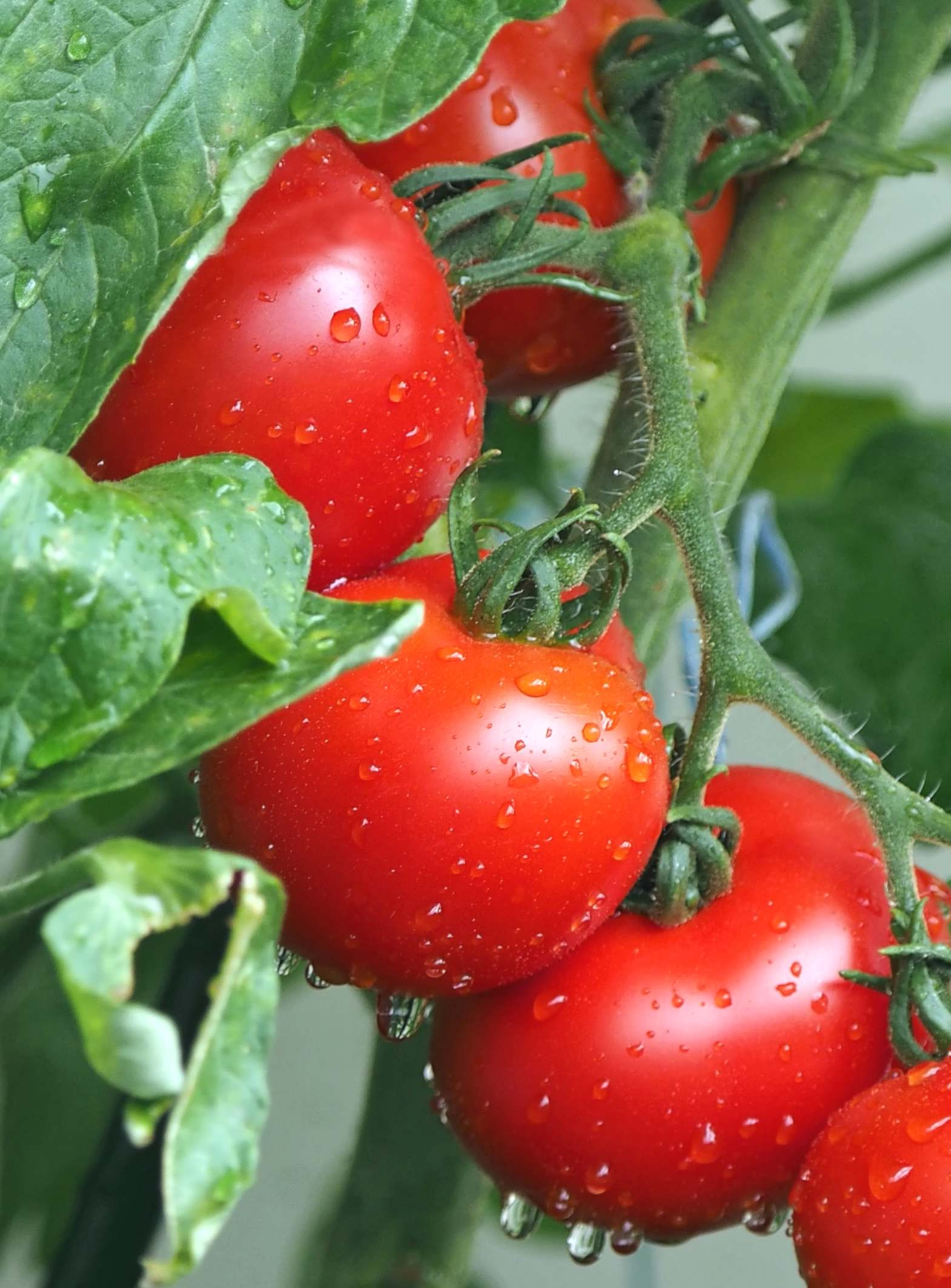
The taste of a homegrown tomato, still warm from the sun, is one of summer's greatest pleasures. But what if your tomato plants are struggling, producing only a handful of fruits, or succumbing to diseases?
This guide is dedicated to helping you unlock the secrets to abundant and healthy tomato harvests. We’ll explore practical tips and tricks to maximize your yield, enhance the flavor of your tomatoes, and troubleshoot common problems – all while keeping it simple and fun. After all, gardening should be a joy, not a chore!
Here’s a quick win you can try today: Gently shake your tomato plants when they are flowering. This simple action helps to distribute pollen, leading to better fruit set and a bigger harvest!
Tomato Care and Growing Hacks for Healthy Plants
Growing healthy tomato plants is easier than you think! It’s all about understanding their needs and providing the right environment. Let’s dive into some essential care tips.
Sunlight: The Tomato's Best Friend
Tomatoes are sun-worshippers! They need at least 6-8 hours of direct sunlight each day to thrive. Without enough sunlight, your plants will be leggy, produce fewer flowers, and the fruits you do get will be small and lacking in flavor.
Tip: Choose a sunny spot in your garden that receives morning sun. Morning sun is particularly beneficial as it helps dry the foliage, reducing the risk of fungal diseases. If you’re growing tomatoes in pots, you can easily move them to follow the sun throughout the day.
What if I don't have 6-8 hours of sunlight?
If you're limited on sunlight, don't despair! Some tomato varieties are more tolerant of partial shade. Look for varieties labeled as "early-maturing" or "patio" tomatoes, as they often require less sunlight. You can also supplement with grow lights, especially when starting seedlings indoors.
The Right Soil: A Foundation for Success
The type of soil you use can make or break your tomato-growing success. Tomatoes need well-draining soil that is rich in organic matter. Heavy clay soil can lead to root rot, while sandy soil may drain too quickly.
Tip: Amend your soil with compost, well-rotted manure, or other organic materials. This will improve drainage, add nutrients, and create a healthy environment for your tomato plant's roots. Aim for a slightly acidic soil p H of around 6.0 to
6.8. You can test your soil p H with a simple soil test kit.
Watering Wisely: Finding the Right Balance
Consistent watering is crucial for healthy tomato plants. Avoid overwatering, which can lead to root rot, and underwatering, which can cause blossom end rot (a calcium deficiency).
Tip: Water deeply and less frequently. Aim to water at the base of the plant, avoiding getting the foliage wet. This helps prevent fungal diseases. A good rule of thumb is to water when the top inch of soil feels dry to the touch. Mulching around your tomato plants will also help retain moisture and suppress weeds.
Feeding Your Tomatoes: The Nutrients They Need
Tomatoes are heavy feeders, meaning they require a good supply of nutrients to produce abundant fruit.
Tip: Use a balanced fertilizer specifically formulated for tomatoes. Look for a fertilizer with a higher phosphorus (P) and potassium (K) content than nitrogen (N). Phosphorus promotes root development and flowering, while potassium is essential for fruit production. Fertilize your plants every 2-3 weeks, following the instructions on the fertilizer label. You can also use organic fertilizers like compost tea or fish emulsion.
What does NPK mean on fertilizer?
NPK stands for Nitrogen (N), Phosphorus (P), and Potassium (K), the three primary macronutrients that plants need. The numbers on a fertilizer label represent the percentage of each nutrient in the fertilizer. For example, a 5-10-5 fertilizer contains 5% nitrogen, 10% phosphorus, and 5% potassium.
Pruning for Productivity: Suckers and Support
Pruning tomato plants can seem daunting, but it’s a valuable technique for improving airflow, directing energy into fruit production, and preventing diseases.
Tip: Identify and remove "suckers," which are the small shoots that grow between the main stem and the branches. These suckers will eventually develop into stems of their own, but they will also compete with the main plant for resources. Pruning suckers helps to focus the plant's energy on producing larger, more flavorful tomatoes. Also, provide support for your plants using stakes, cages, or trellises. This will prevent the plants from sprawling on the ground, where they are more susceptible to diseases and pests.
Common Tomato Problems and How to Solve Them
Even with the best care, tomato plants can sometimes encounter problems. Here are some common issues and how to address them:
Blossom End Rot
Blossom end rot is characterized by a dark, leathery spot on the bottom of the tomato. It’s caused by a calcium deficiency, which is often due to inconsistent watering.
Solution: Ensure consistent watering and avoid letting the soil dry out completely. You can also add calcium to the soil by incorporating bone meal or crushed eggshells. Foliar sprays containing calcium can also provide a quick fix.
Tomato Hornworms
These large, green caterpillars can quickly defoliate a tomato plant. They are often difficult to spot because they blend in with the foliage.
Solution: Handpick the hornworms from your plants. They are easiest to find in the morning or evening. You can also use Bacillus thuringiensis (Bt), a natural bacteria that is toxic to caterpillars.
Early Blight and Septoria Leaf Spot
These fungal diseases cause dark spots on the leaves, which eventually spread and can defoliate the plant.
Solution: Remove and destroy any infected leaves. Improve airflow around the plants by pruning and spacing them properly. Apply a fungicide to prevent the spread of the disease.
Can I eat tomatoes with blight?
While the infected leaves and stems shouldn't be eaten, the tomatoes themselves are generally safe to eat as long as they don't show signs of rot or disease. Remove any affected parts of the fruit before consuming.
Choosing the Right Tomato Variety
The best tomato variety for you will depend on your climate, growing conditions, and personal preferences. Here are a few popular choices: Beefsteak: Large, meaty tomatoes perfect for slicing. Roma: Paste tomatoes ideal for making sauces and canning. Cherry: Small, sweet tomatoes perfect for snacking. Heirloom: Unique and flavorful tomatoes with a rich history.
What is the difference between determinate and indeterminate tomatoes?
Determinate tomatoes grow to a certain size and then stop, producing all their fruit at once. They are often bushier and require less staking. Indeterminate tomatoes continue to grow and produce fruit throughout the season. They require more support and pruning.
Growing Tomatoes in Pots: A Space-Saving Solution
If you have limited garden space, you can still grow tomatoes in pots. Choose a large pot (at least 20 gallons) with drainage holes. Use a high-quality potting mix and provide plenty of sunlight and water. Dwarf or patio tomato varieties are particularly well-suited for container growing.
Indoor Tomato Gardening: Year-Round Harvests
With the right setup, you can grow tomatoes indoors year-round. You'll need a sunny window or grow lights, a self-pollinating tomato variety, and consistent care. Indoor tomato gardening can be a rewarding way to enjoy fresh tomatoes even in the dead of winter.
Saving Tomato Seeds: A Legacy of Flavor
Saving seeds from your favorite tomato varieties is a great way to preserve unique flavors and create a connection to past generations of gardeners. Choose open-pollinated or heirloom varieties for seed saving, as hybrid varieties will not produce true-to-type offspring.
Tip: Allow your tomatoes to fully ripen on the vine before collecting seeds. Squeeze the seeds and pulp into a jar and add a little water. Let the mixture ferment for a few days, stirring occasionally. This will help remove the pulp from the seeds. Rinse the seeds thoroughly and dry them on a paper towel. Store the dried seeds in an airtight container in a cool, dark place.
There's so much to explore and discover in the world of tomato growing. Don't be afraid to experiment with different techniques, varieties, and growing methods to find what works best for you and your garden. Each season brings new opportunities to learn and improve, so keep planting, keep observing, and keep enjoying the delicious rewards of your labor.
Post a Comment for "Tomato Care and Growing Hacks for Healthy Plants"