Tomato Grow Bags: How to Use Them Effectively
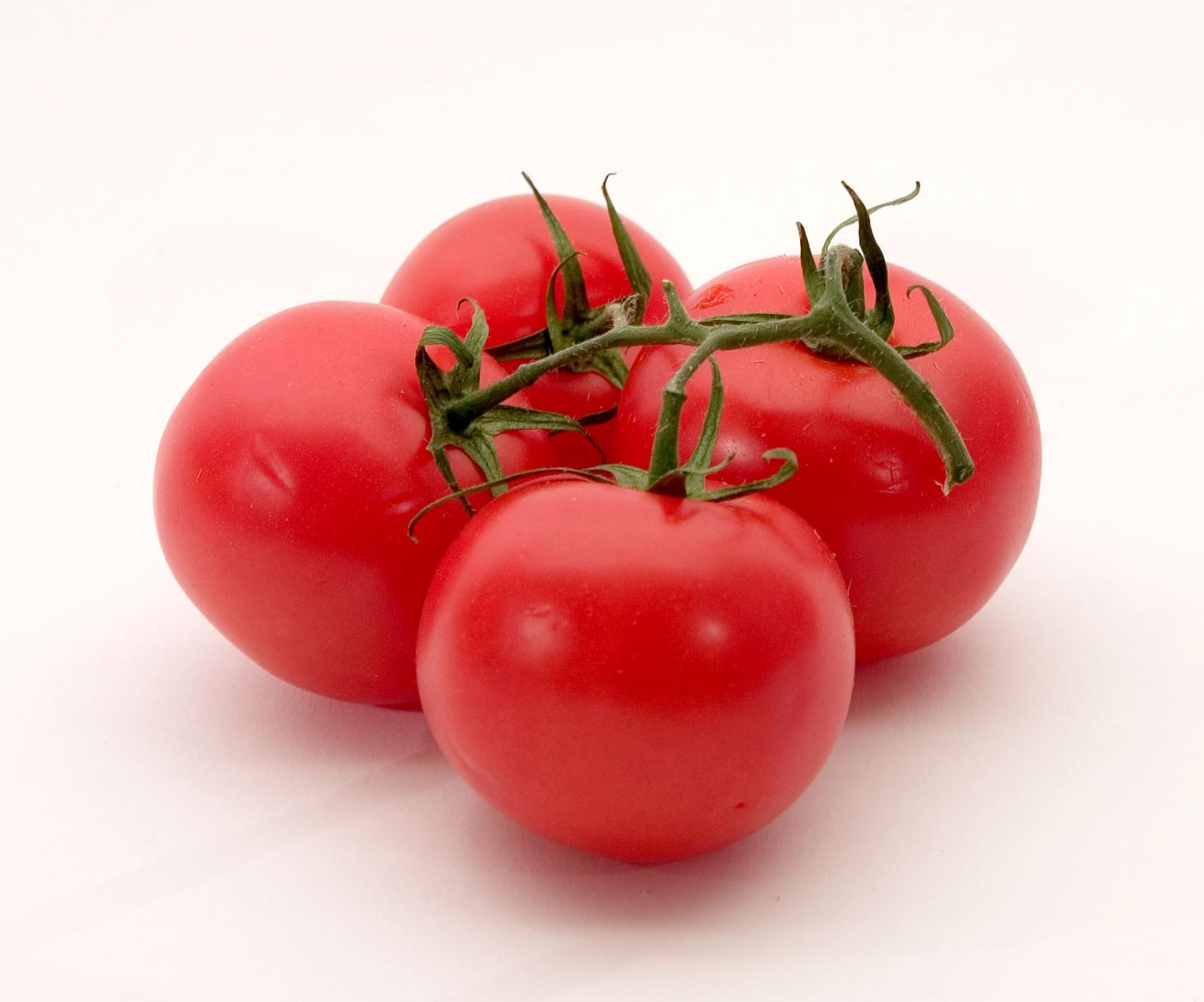
Dreaming of vine-ripened tomatoes bursting with flavor, plucked fresh from your own garden? Growing your own tomatoes is incredibly rewarding, but sometimes space, soil conditions, or even time constraints can feel like roadblocks.
That's where tomato grow bags come in! These simple containers unlock a world of possibilities, making it easier than ever to cultivate delicious tomatoes, even if you're short on space, have poor soil, or are simply looking for a more manageable gardening solution. Grow bags can significantly boost your yield, improve fruit quality, and offer the flexibility to move your plants to the sunniest spots throughout the season.
Ready to get started? Before you dive in, check your tomato variety's specific needs. Is it a determinate (bush) or indeterminate (vining) type? Knowing this will help you choose the right size grow bag.
Choosing the Right Grow Bag for Tomatoes
Selecting the right grow bag is the first crucial step towards a successful tomato harvest. Don't just grab the first bag you see! Consider these factors: Size Matters: Tomato plants, especially indeterminate varieties, need plenty of room for their roots to spread. A good rule of thumb is to choose a grow bag that's at least 10 gallons in size, but 15-20 gallons is even better for larger, vining types like Beefsteak or Brandywine. Determinate (bush) varieties can thrive in slightly smaller bags, around 7-10 gallons. Material is Key: Grow bags are typically made from fabric or plastic. Fabric grow bags, particularly those made from breathable materials like felt, offer several advantages. They allow for excellent drainage, preventing waterlogging and root rot. The breathable fabric also promotes air pruning, which encourages the plant to develop a denser, healthier root system. Plastic grow bags can retain moisture better, which can be useful in hot, dry climates, but it's essential to ensure they have adequate drainage holes. Durability Counts:You want a grow bag that will last at least one growing season, preferably several. Look for bags made from thick, UV-resistant material that can withstand the elements. Reinforced seams are also a plus.
What are the benefits of using fabric grow bags?
Fabric grow bags offer superior drainage and aeration compared to plastic pots. This helps prevent root rot, a common problem in tomato gardening. The breathable fabric also allows for air pruning, encouraging the roots to branch out more, leading to a stronger, healthier plant.
Preparing Your Grow Bag for Planting
Once you've chosen the perfect grow bag, it's time to prepare it for planting. This involves selecting the right soil mix and properly filling the bag.
The Perfect Potting Mix: Don't use garden soil in your grow bag! Garden soil tends to compact in containers, hindering drainage and aeration. Instead, opt for a high-quality potting mix specifically formulated for containers. Look for a mix that contains ingredients like peat moss, perlite, vermiculite, and compost. These ingredients provide good drainage, aeration, and nutrient retention. You can also amend your potting mix with slow-release fertilizer to provide a steady supply of nutrients to your tomato plants. Filling the Bag: Fill the grow bag about two-thirds full with your chosen potting mix. Gently pat the soil down to remove any air pockets. Before planting, water the soil thoroughly until water drains from the bottom of the bag. This will help settle the soil and ensure it's evenly moist.
What is the best soil for growing tomatoes in grow bags?
The best soil for tomatoes in grow bags is a well-draining potting mix specifically designed for containers. Look for a mix that includes peat moss, perlite, vermiculite, and compost. Avoid using garden soil, as it tends to compact in containers and doesn't provide adequate drainage.
Planting Your Tomato Seedlings
Now comes the exciting part – planting your tomato seedlings!
Choosing Healthy Seedlings: Select tomato seedlings that are about 6-8 inches tall with a thick, sturdy stem and healthy green leaves. Avoid seedlings that are leggy, yellowing, or have any signs of disease. Planting Depth: Dig a hole in the center of the grow bag large enough to accommodate the root ball of your tomato seedling. Gently remove the seedling from its container and loosen the roots slightly. Plant the seedling deep, burying the stem up to the first set of leaves. Tomatoes can develop roots along their buried stems, resulting in a stronger, more robust plant. Watering After Planting:After planting, water the seedling thoroughly to help it establish roots.
Can you plant tomatoes deep in grow bags?
Yes, you can and should plant tomatoes deep in grow bags. Burying the stem up to the first set of leaves encourages the plant to develop roots along the buried stem, leading to a stronger and healthier plant.
Caring for Your Tomato Plants in Grow Bags
Once your tomato plants are established, consistent care is essential for a bountiful harvest.
Watering Wisely: Tomato plants need consistent moisture, especially when they're actively growing and producing fruit. Water deeply and regularly, ensuring the soil remains evenly moist but not waterlogged. Check the soil moisture level by sticking your finger an inch or two into the soil. If it feels dry, it's time to water. Grow bags tend to dry out faster than traditional garden beds, so be prepared to water more frequently, especially during hot, sunny weather. Fertilizing for Success: Tomatoes are heavy feeders and require regular fertilization. Use a balanced fertilizer specifically formulated for tomatoes, following the instructions on the package. You can also supplement with organic fertilizers like compost tea or fish emulsion. Fertilize every 2-3 weeks during the growing season. Providing Support: Most tomato varieties, especially indeterminate types, will need support as they grow. Use stakes, cages, or trellises to support the plants and prevent the stems from breaking under the weight of the fruit. Pruning for Optimal Growth: Pruning tomato plants can help improve air circulation, reduce disease, and encourage fruit production. Remove suckers (the small shoots that grow between the main stem and the branches) to direct the plant's energy towards fruit development. Sunlight is Essential:Tomatoes need at least 6-8 hours of sunlight per day to thrive. Place your grow bags in a sunny location where they will receive ample sunlight. If you don't have enough sunlight, you can supplement with grow lights.
How often should I water tomatoes in grow bags?
The frequency of watering depends on the weather, the size of the grow bag, and the type of tomato plant. Generally, you should water deeply when the top inch or two of soil feels dry. In hot, sunny weather, you may need to water daily, or even twice a day.
Troubleshooting Common Tomato Grow Bag Problems
Even with the best care, you may encounter some challenges when growing tomatoes in grow bags. Here are some common problems and how to address them: Blossom End Rot: This is a common problem caused by calcium deficiency. The bottom of the tomato develops a dark, leathery spot. To prevent blossom end rot, ensure your soil is rich in calcium and that you're watering consistently. You can also add calcium supplements to the soil or use a foliar spray. Pests and Diseases: Tomatoes are susceptible to a variety of pests and diseases, such as aphids, whiteflies, tomato hornworms, and early blight. Regularly inspect your plants for signs of infestation or disease. Use organic pest control methods like insecticidal soap or neem oil to control pests. Remove any diseased leaves or plants to prevent the spread of disease. Yellowing Leaves: Yellowing leaves can be a sign of several problems, including nutrient deficiency, overwatering, or disease. Check the soil moisture level and adjust your watering accordingly. Fertilize your plants regularly to ensure they're getting enough nutrients. If the yellowing is accompanied by other symptoms, such as spots or lesions, it could be a sign of disease. Slow Growth: If your tomato plants are growing slowly, it could be due to a lack of sunlight, nutrients, or water. Ensure they're getting enough sunlight and fertilize them regularly. Check the soil moisture level and adjust your watering accordingly.
How long do tomato plants take to grow in grow bags?
The time it takes for tomato plants to grow and produce fruit in grow bags depends on the variety and the growing conditions. Generally, it takes about 60-85 days from transplanting seedlings to harvesting the first ripe tomatoes.
Growing tomatoes in grow bags is a fantastic way to enjoy fresh, flavorful tomatoes, no matter your space or soil limitations. Don't be afraid to experiment with different varieties, soil mixes, and growing techniques to find what works best for you. Each season brings new learning opportunities and the chance to refine your gardening skills. Happy growing!
Post a Comment for "Tomato Grow Bags: How to Use Them Effectively"