Expert Tips for Growing Tomatoes at Home
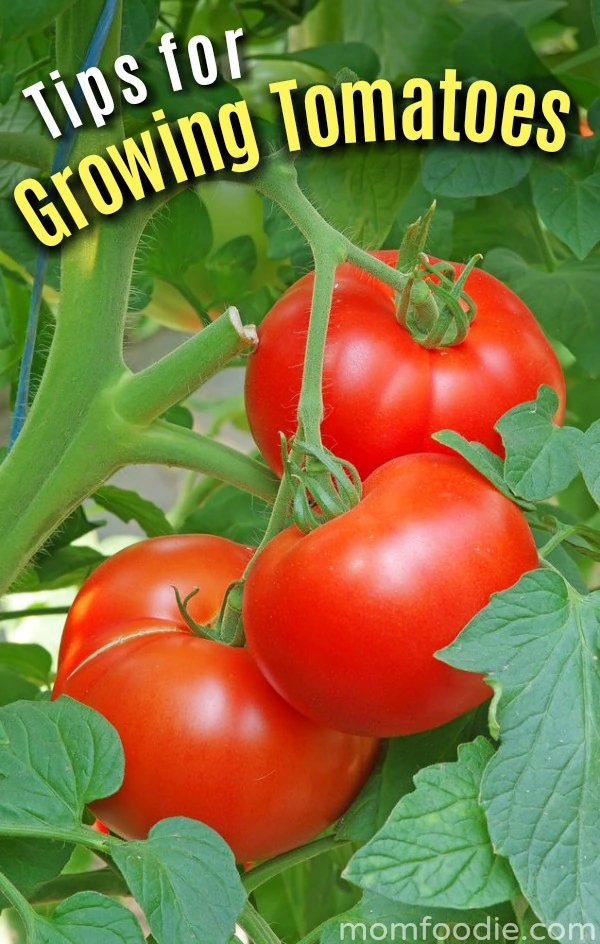
There’s nothing quite like the taste of a sun-ripened, homegrown tomato, still warm from the garden. That intense flavor, the juicy texture… it’s an experience store-bought tomatoes just can’t match. But growing those perfect tomatoes can feel daunting if you're new to it.
That's where understanding the essentials of tomato cultivation comes in. Whether you dream of overflowing baskets of plump red tomatoes, want to enjoy a burst of summer flavor all year round, or simply crave the satisfaction of nurturing a plant from seed to harvest, mastering the basics will set you up for success. Plus, with the right knowledge, you can overcome common challenges like blossom end rot, pests, and diseases, and even tailor your approach to suit small spaces like balconies or patios.
Ready to get started? A simple trick to boost early growth is to bury the bottom two-thirds of your tomato seedling when you transplant it. This encourages more root growth along the buried stem, leading to a stronger, healthier plant!
Choosing the Right Tomato Variety for Your Garden
Selecting the right tomato variety is the first step towards a bountiful harvest. It’s not just about picking the prettiest picture on the seed packet; it's about matching the tomato to your growing conditions and your taste preferences.
Consider your climate. Do you have long, hot summers or a shorter growing season? Determinate varieties, which grow to a fixed size and produce all their fruit at once, are ideal for shorter seasons. Indeterminate varieties, on the other hand, continue to grow and produce fruit throughout the season, thriving in longer, warmer climates.
Think about how you plan to use your tomatoes. If you want to make sauces, Roma or San Marzano tomatoes are excellent choices. For slicing and enjoying fresh, Beefsteak or heirloom varieties offer incredible flavor and size. Cherry tomatoes are perfect for snacking and salads.
Finally, consider disease resistance. Look for varieties labeled with codes like V, F, N, T, and A, which indicate resistance to common tomato diseases like Verticillium wilt, Fusarium wilt, nematodes, Tobacco Mosaic Virus, and Alternaria. Choosing disease-resistant varieties can save you a lot of trouble later on.
What are the easiest tomatoes to grow for beginners?
For beginner gardeners, cherry tomatoes are often the easiest to grow. They are typically more forgiving than larger varieties and tend to produce abundant fruit even with some beginner mistakes. Roma tomatoes are also a good choice due to their disease resistance and productivity. Look for varieties that are labeled as "early" or "determinate" to ensure they mature quickly.
What are the best-tasting tomato varieties?
Taste is subjective, but some varieties are consistently praised for their exceptional flavor. Heirloom tomatoes like Brandywine, Cherokee Purple, and Mortgage Lifter are known for their complex, rich flavors. Sun Gold cherry tomatoes are also incredibly popular for their sweet, almost fruity taste. Experimenting with different varieties is the best way to find your personal favorites.
Preparing the Perfect Soil for Tomatoes
Tomatoes are heavy feeders, meaning they need a lot of nutrients to thrive. Preparing the soil properly before planting is crucial for a healthy and productive plant.
Start by testing your soil's p H. Tomatoes prefer a slightly acidic soil with a p H between 6.0 and
6.8. You can purchase a soil testing kit at most garden centers or send a sample to your local agricultural extension office for more detailed analysis.
Amend your soil with plenty of organic matter, such as compost, well-rotted manure, or peat moss. This will improve drainage, aeration, and water retention, as well as provide essential nutrients. Work the organic matter into the soil to a depth of at least 12 inches.
Consider adding a slow-release fertilizer specifically formulated for tomatoes. Follow the package instructions carefully to avoid over-fertilizing, which can lead to leggy growth and reduced fruit production. Bone meal can also be added to the soil to provide phosphorus, which promotes strong root development and flower formation.
If you're growing tomatoes in containers, use a high-quality potting mix. Avoid using garden soil in containers, as it can become compacted and restrict drainage.
What is the best soil for tomatoes in pots?
The best soil for tomatoes in pots is a well-draining potting mix specifically designed for container gardening. Look for a mix that contains ingredients like peat moss, perlite, vermiculite, and composted bark. Avoid mixes that are too heavy or contain a lot of clay, as these can retain too much moisture and lead to root rot. You can also amend a basic potting mix with additional compost or slow-release fertilizer for added nutrients.
Can I reuse soil for tomatoes?
Yes, you can reuse soil for tomatoes, but it's important to take some precautions. Remove any plant debris, weeds, or pests from the soil. Amend the soil with fresh compost and fertilizer to replenish nutrients. If you suspect the soil may be contaminated with disease, you can sterilize it by baking it in the oven or solarizing it. However, for best results, it's often recommended to use fresh potting mix each year, especially for container-grown tomatoes.
Watering and Feeding Your Tomato Plants
Proper watering and fertilization are essential for healthy tomato growth and abundant fruit production.
Water your tomato plants deeply and regularly, especially during hot, dry weather. Aim to water at the base of the plant to avoid wetting the foliage, which can increase the risk of fungal diseases. A good rule of thumb is to water when the top inch of soil feels dry to the touch.
Mulch around your tomato plants with straw, wood chips, or shredded leaves to help retain moisture, suppress weeds, and regulate soil temperature.
Fertilize your tomato plants regularly with a balanced fertilizer that contains nitrogen, phosphorus, and potassium. Follow the package instructions carefully and avoid over-fertilizing. You can also supplement with foliar feeding, using a diluted liquid fertilizer sprayed directly onto the leaves.
Once the fruits start to set, switch to a fertilizer with a higher phosphorus and potassium content to promote fruit development and ripening. Avoid using high-nitrogen fertilizers at this stage, as they can encourage excessive foliage growth at the expense of fruit production.
How often should I water my tomato plants?
The frequency of watering depends on several factors, including the weather, soil type, and size of the plant. In general, water deeply whenever the top inch of soil feels dry to the touch. During hot, dry weather, you may need to water daily. Container-grown tomatoes tend to dry out more quickly than those grown in the ground, so they may require more frequent watering. Avoid overwatering, as this can lead to root rot.
What are signs of overwatering tomatoes?
Signs of overwatering tomatoes include yellowing or wilting leaves, stunted growth, and the presence of fungal diseases. The soil may also feel soggy and compacted. If you suspect overwatering, reduce the frequency of watering and ensure that the soil is well-draining. You may also need to improve drainage by amending the soil with organic matter or transplanting the plant to a different location.
Pruning and Supporting Your Tomato Plants
Pruning and supporting your tomato plants are important for maximizing fruit production and preventing disease.
Pruning helps to improve air circulation, reduce disease risk, and direct the plant's energy towards fruit production. The most common pruning technique is to remove suckers, which are small shoots that grow in the crotch between the main stem and the branches. Removing suckers encourages the plant to focus its energy on producing fruit rather than foliage.
Support your tomato plants with stakes, cages, or trellises to prevent them from sprawling on the ground. This will help to keep the fruits clean, improve air circulation, and make it easier to harvest. Install the supports when you plant the seedlings to avoid damaging the roots later on.
For determinate varieties, minimal pruning is required. Simply remove any dead or diseased foliage. For indeterminate varieties, regular pruning is essential to maintain a manageable size and shape.
Should I remove yellow leaves from my tomato plants?
Yes, you should remove yellow leaves from your tomato plants. Yellow leaves can indicate a nutrient deficiency, disease, or pest infestation. Removing them helps to improve air circulation, reduce the risk of disease spread, and direct the plant's energy towards healthy growth. Use clean pruning shears or scissors to avoid spreading disease.
What's the difference between determinate and indeterminate tomatoes?
Determinate tomatoes grow to a fixed size and produce all their fruit at once, typically over a period of a few weeks. They are bushier and more compact than indeterminate varieties, making them suitable for smaller gardens or containers. Indeterminate tomatoes continue to grow and produce fruit throughout the growing season. They require more space and support than determinate varieties and benefit from regular pruning.
Dealing with Tomato Pests and Diseases
Even with the best care, tomato plants can be susceptible to pests and diseases. Early detection and prompt treatment are essential for preventing serious problems.
Common tomato pests include aphids, whiteflies, tomato hornworms, and spider mites. Inspect your plants regularly for signs of infestation and take action immediately. You can often control pests with insecticidal soap, neem oil, or by hand-picking them off the plants.
Common tomato diseases include early blight, late blight, Septoria leaf spot, and blossom end rot. Proper watering, good air circulation, and disease-resistant varieties can help to prevent these diseases. If you notice signs of disease, remove the affected foliage and treat the plants with a fungicide specifically labeled for tomatoes.
Blossom end rot, which is caused by a calcium deficiency, can be prevented by ensuring consistent watering and adding calcium to the soil.
How do I get rid of aphids on my tomato plants?
There are several ways to get rid of aphids on your tomato plants. You can try spraying them off with a strong stream of water from a hose. Insecticidal soap or neem oil are also effective treatments. For larger infestations, you may need to use a stronger insecticide. Encourage beneficial insects like ladybugs and lacewings, which prey on aphids.
What causes blossom end rot on tomatoes?
Blossom end rot is caused by a calcium deficiency in the developing fruit. This can be due to insufficient calcium in the soil, inconsistent watering, or high levels of other nutrients that interfere with calcium uptake. To prevent blossom end rot, ensure that your soil is well-draining and contains adequate calcium. Water consistently and avoid over-fertilizing with nitrogen or potassium. You can also add lime or gypsum to the soil to increase calcium levels.
Growing your own tomatoes is a journey filled with learning and discovery. Don't be afraid to experiment with different varieties, techniques, and solutions. Each season brings new challenges and opportunities to refine your skills and grow even better tomatoes. The reward of biting into a perfectly ripe, homegrown tomato is well worth the effort!
Post a Comment for "Expert Tips for Growing Tomatoes at Home"