Growing Roma Tomatoes in Pots for Urban Gardeners
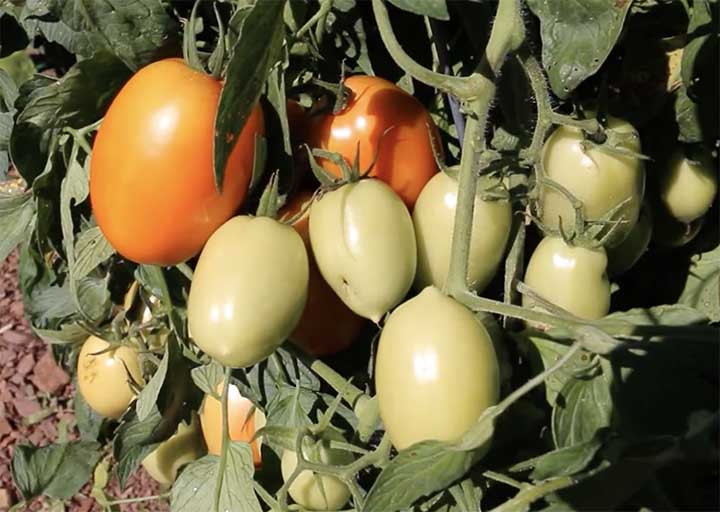
Imagine biting into a sun-ripened tomato, bursting with flavor, grown right on your own patio. Sounds dreamy, right? It's absolutely achievable, even if you only have a small balcony or patio. Growing Roma tomatoes in pots is easier than you might think, and the rewards are incredibly delicious.
For urban gardeners, space is often a premium. That’s why container gardening is such a game-changer. Roma tomatoes are particularly well-suited for pots because they’re determinate, meaning they grow to a compact size, perfect for smaller spaces. Plus, nothing beats the taste of a homegrown tomato – richer, sweeter, and far superior to anything you'll find in a grocery store. You’ll be whipping up incredible sauces and salads in no time!
Ready to get your hands dirty? Before you even buy your seeds or seedlings, check the sun exposure on your patio or balcony. Tomatoes need at least 6-8 hours of direct sunlight each day to thrive. Make a note of how sunny your space is throughout the day – this will help you position your tomato plants perfectly.
Choosing the Right Pot and Soil
The foundation of a successful container garden starts with, well, the container! Size matters when it comes to Roma tomatoes. A pot that's too small will restrict root growth, leading to a stunted plant and fewer tomatoes.
Aim for a pot that's at least 12 inches in diameter and 12 inches deep. A 5-gallon bucket works wonders. Make sure your chosen pot has drainage holes. Tomatoes hate sitting in soggy soil. Terra cotta pots are a good choice as they allow the soil to breathe, but plastic pots are lighter and retain moisture better, which can be helpful in hotter climates.
Now, let's talk soil. Don't use garden soil directly in your pots. It's often too heavy and doesn't drain well, leading to root rot. Instead, opt for a high-quality potting mix specifically designed for containers. These mixes are lighter, provide good drainage, and are often amended with nutrients to give your tomato plants a great start.
You can also make your own potting mix by combining equal parts of:
Peat moss (or coconut coir as an eco-friendly alternative)
Perlite or vermiculite for drainage
Compost for nutrients
What is the best size pot for Roma tomatoes?
As mentioned above, a 5-gallon pot or larger is generally recommended for Roma tomatoes. This allows sufficient space for the roots to develop and supports healthy plant growth.
Planting Your Roma Tomato Seedlings
Once you've got your pot and soil sorted, it's time to plant your Roma tomato seedlings. You can either start your own seeds indoors 6-8 weeks before the last expected frost or purchase seedlings from a local nursery.
Here's a step-by-step guide to planting:
1.Fill your pot: Fill your pot with your chosen potting mix, leaving a few inches of space at the top.
2.Dig a hole: Dig a hole in the center of the pot that's deep enough to accommodate the root ball of your seedling.
3.Gently remove the seedling: Gently remove the seedling from its container, being careful not to damage the roots. If the roots are tightly bound, gently loosen them before planting.
4.Plant the seedling: Place the seedling in the hole and backfill with potting mix. Gently firm the soil around the base of the plant.
5.Water thoroughly: Water the seedling thoroughly until water drains out of the bottom of the pot. This helps settle the soil and ensures the roots are well-hydrated.
6.Add support: Roma tomatoes, while determinate, can still get heavy with fruit. Insert a stake or tomato cage into the pot near the seedling to provide support as it grows. Do this early to avoid damaging the roots later.
Caring for Your Roma Tomato Plants
Once your Roma tomato seedlings are planted, consistent care is key to a bountiful harvest.
Watering
Water your tomato plants regularly, especially during hot, dry weather. Check the soil moisture by sticking your finger about an inch into the soil. If it feels dry, it's time to water. Aim to keep the soil consistently moist but not waterlogged. Overwatering can lead to root rot, while underwatering can cause the plant to wilt and produce fewer tomatoes.
Water at the base of the plant to avoid wetting the foliage, which can encourage fungal diseases. Early morning watering is best, as it gives the leaves time to dry before nightfall.
Fertilizing
Roma tomatoes are heavy feeders and need regular fertilization to produce a good crop. Start fertilizing about two weeks after planting. Use a balanced fertilizer specifically formulated for tomatoes, following the instructions on the label.
You can also use organic fertilizers like compost tea or fish emulsion. These provide essential nutrients and help improve soil health. Avoid over-fertilizing, as this can lead to excessive foliage growth at the expense of fruit production.
Pruning
While Roma tomatoes are determinate and don't require as much pruning as indeterminate varieties, some light pruning can help improve airflow and encourage fruit production.
Remove any suckers that grow between the main stem and the branches. These suckers can steal energy from the plant and reduce fruit yield. Also, remove any yellowing or dead leaves to prevent the spread of disease.
Sunlight
As mentioned earlier, Roma tomatoes need at least 6-8 hours of direct sunlight each day. Position your pots in a sunny spot on your patio or balcony. If you don't have enough sunlight, consider using grow lights to supplement the natural light.
Can tomatoes grow indoors year-round?
Yes, tomatoes can be grown indoors year-round, but it requires providing them with adequate light, warmth, and humidity. Grow lights are essential for indoor tomato gardening, especially during the winter months.
Dealing with Pests and Diseases
Even in a container garden, your Roma tomatoes can be susceptible to pests and diseases. Regularly inspect your plants for any signs of trouble.
Common pests that can affect tomato plants include aphids, whiteflies, and tomato hornworms. You can control these pests by handpicking them off the plants, using insecticidal soap, or introducing beneficial insects like ladybugs.
Common diseases that can affect tomato plants include early blight, late blight, and blossom end rot. To prevent these diseases, ensure good airflow around the plants, avoid overwatering, and use a fungicide if necessary. Blossom end rot is often caused by calcium deficiency, so adding calcium to the soil can help prevent this problem. Crushed eggshells are a great, natural source of calcium!
Harvesting Your Roma Tomatoes
The most rewarding part of growing Roma tomatoes is, of course, harvesting the fruits of your labor! Roma tomatoes typically take 70-80 days to mature after planting.
You'll know your tomatoes are ready to harvest when they are fully colored (usually red) and slightly soft to the touch. Gently twist the tomato off the vine, being careful not to damage the plant.
Harvest your tomatoes regularly to encourage the plant to produce more fruit. Ripe tomatoes left on the vine can attract pests and diseases.
Use your homegrown Roma tomatoes to make delicious sauces, salsas, salads, and more. You can also freeze or can your tomatoes to enjoy them throughout the year.
Tips for Growing Bigger Tomatoes
Consistent watering: Avoid fluctuations in soil moisture, as this can stress the plants and affect fruit size. Proper fertilization: Provide your plants with the nutrients they need to support fruit development. Pruning: Remove suckers and excess foliage to direct the plant's energy towards fruit production. Pollination: Gently shake the plants or use a small brush to pollinate the flowers, especially if growing indoors.
Extending Your Tomato Season
Want to enjoy fresh, homegrown Roma tomatoes for as long as possible? Here are a few tips for extending your tomato season: Succession planting: Plant new seedlings every few weeks to ensure a continuous harvest. Cold frames or row covers: Protect your plants from frost by using cold frames or row covers in the fall. Overwintering:In milder climates, you can overwinter your tomato plants by pruning them back and bringing them indoors.
Growing Roma tomatoes in pots is a fantastic way to enjoy fresh, flavorful tomatoes, even if you have limited space. With the right pot, soil, care, and a little bit of patience, you can harvest a bountiful crop of delicious tomatoes right on your doorstep. Don’t be afraid to experiment – every season brings new learning opportunities. Happy gardening!
Post a Comment for "Growing Roma Tomatoes in Pots for Urban Gardeners"