Tomato Plant Growth Timeline Day by Day
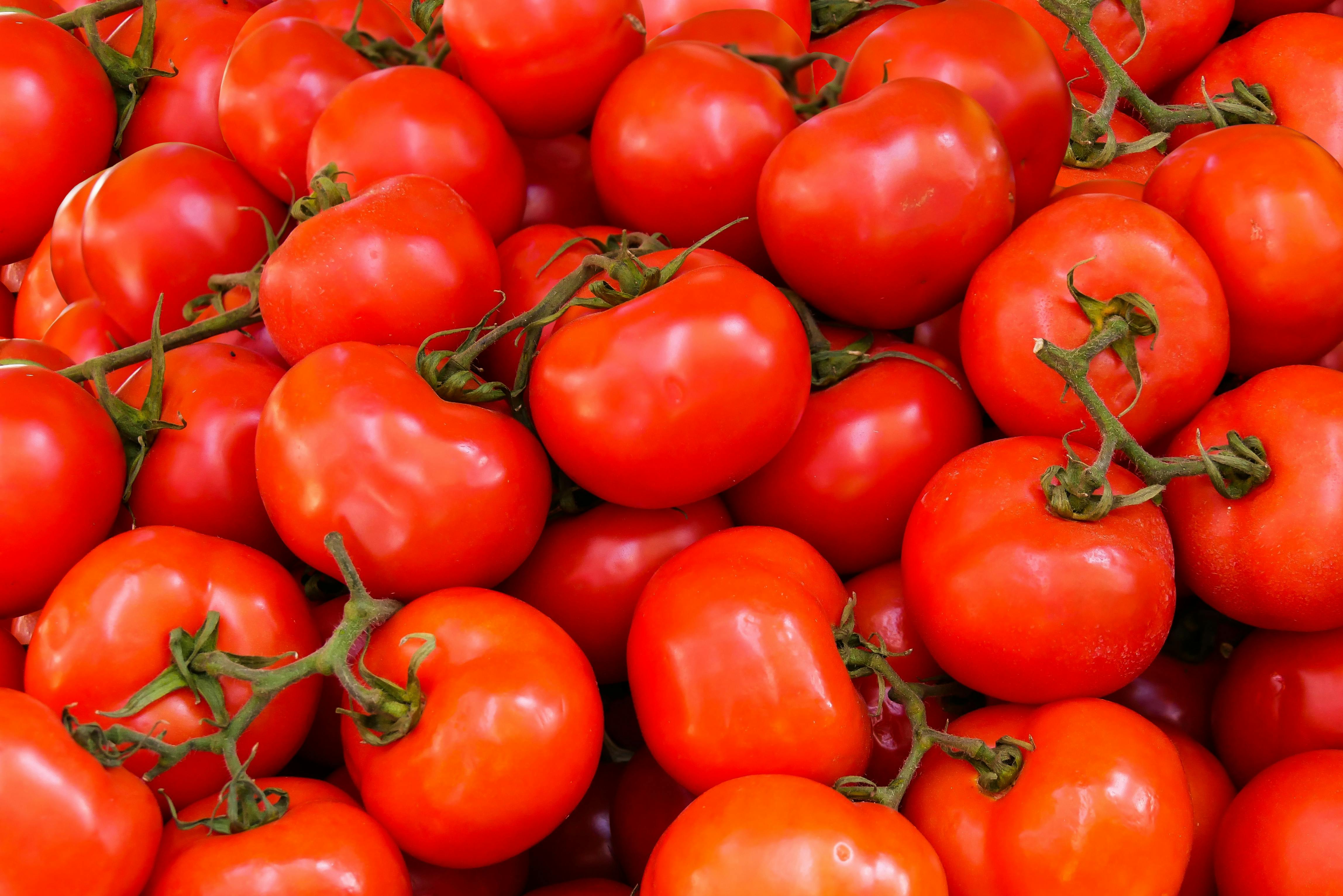
Ever dream of biting into a sun-warmed, juicy tomato, bursting with flavor, straight from your own backyard? Growing your own tomatoes is incredibly rewarding, but understanding the journey from seed to table can make all the difference in your success.
Understanding the tomato plant growth timeline is key to maximizing your harvest. Whether you're aiming for bigger yields, sweeter flavor, or simply want to troubleshoot problems along the way, knowing what to expect at each stage empowers you to provide the best possible care for your plants. Plus, it allows you to strategically plan your gardening activities for a continuous supply of delicious tomatoes!
Ready to get started? A simple trick to boost early growth is to gently brush your seedlings a couple of times a day. This simulates wind and encourages stronger stems!
The Tomato Plant Growth Timeline: A Day-by-Day Guide
Let's dive into a comprehensive timeline, breaking down the major stages of tomato plant growth, from sowing your seeds to harvesting those beautiful, ripe fruits. Remember that these are general guidelines, and your specific timeline may vary depending on the tomato variety, your climate, and growing conditions.
Days 1-7: Germination – The Seed Awakens
This is where it all begins! You've carefully sown your tomato seeds in a seed-starting mix, and now it's time to nurture them into life. Keep the soil consistently moist (but not soggy!) and provide warmth. A heat mat can be incredibly helpful during this stage. You should start to see the first signs of germination, with tiny sprouts emerging from the soil, usually within 5-10 days, sometimes sooner.
Days 8-21: Seedling Stage – Tender Beginnings
The seedlings are emerging! During this stage, it's crucial to provide adequate light. If you don't have a sunny windowsill, consider using grow lights. Keep the seedlings about 2-3 inches away from the light source. As the seedlings grow, they'll develop their first "true leaves"—these are the leaves that look like miniature tomato leaves, as opposed to the initial seed leaves (cotyledons). Water gently from the bottom to encourage strong root growth and avoid fungal diseases.
Days 22-42: Transplanting – Moving On Up
Once your seedlings have developed several sets of true leaves and are a few inches tall, they're ready to be transplanted into larger pots. This allows them to develop a stronger root system before being moved outdoors. Choose pots that are at least 4 inches in diameter. When transplanting, handle the seedlings carefully, holding them by their leaves rather than their stems, which are easily damaged.
Days 43-60: Hardening Off – Preparing for the Real World
Before transplanting your tomato plants outdoors, it's crucial to "harden them off." This process gradually acclimates the plants to outdoor conditions, reducing the risk of shock. Start by placing the plants outdoors in a sheltered location for just an hour or two each day, gradually increasing the amount of time they spend outside over the course of a week or two. Protect them from strong winds and direct sunlight initially.
Days 61-75: Transplanting Outdoors – Settling into Their New Home
The big day! After the last frost and after your plants have been hardened off, it's time to transplant them into your garden. Choose a sunny location with well-drained soil. Amend the soil with compost or other organic matter to improve its fertility and drainage. When planting, space the plants according to the instructions for your chosen variety. Support your plants with stakes or cages to keep the fruits off the ground.
Days 76-90: Vegetative Growth – Building a Strong Foundation
During this stage, the tomato plants focus on growing their stems, leaves, and roots. Provide consistent watering and fertilization to support healthy growth. Use a balanced fertilizer formulated for tomatoes. Prune suckers (the small shoots that grow between the main stem and branches) to encourage more fruit production. Monitor the plants for pests and diseases, and take action promptly if you see any problems.
Days 91-120: Flowering – The Promise of Tomatoes
The plants begin to develop flowers! This is a crucial stage, as the flowers will eventually turn into tomatoes. Ensure the plants are getting adequate sunlight and water. Avoid overhead watering, as this can damage the flowers and promote fungal diseases. You can also gently shake the plants to help with pollination, especially if you are growing tomatoes indoors.
Days 121-150: Fruit Development – From Green to Gorgeous
Once the flowers are pollinated, small green tomatoes will start to appear. During this stage, the plants need plenty of water and nutrients to support the growing fruit. Continue to fertilize regularly with a fertilizer high in phosphorus and potassium. As the tomatoes grow, you may need to provide additional support to prevent the branches from breaking.
Days 151+: Harvesting – The Sweet Reward
Finally, the tomatoes start to ripen! The color will change from green to yellow, orange, red, or even purple, depending on the variety. The tomatoes should be slightly soft to the touch and easily detach from the vine. Harvest the tomatoes when they are fully ripe for the best flavor.
How long do tomato plants take to grow?
The time it takes for tomato plants to grow from seed to harvest varies depending on the variety and growing conditions. Generally, it takes about 60-85 days from transplanting seedlings outdoors to harvesting ripe tomatoes. Some early-maturing varieties can produce fruit in as little as 55 days, while late-season varieties may take 90 days or more. Factors like sunlight, temperature, and soil fertility also play a significant role in the overall growth rate.
What's the best soil for tomatoes?
Tomatoes thrive in well-drained, fertile soil that is rich in organic matter. A slightly acidic soil p H of 6.0 to
6.8 is ideal. To improve your soil, amend it with compost, aged manure, or other organic materials. Avoid heavy clay soils, as they can become waterlogged and restrict root growth. If you have clay soil, amend it with plenty of organic matter and consider growing tomatoes in raised beds or containers.
Can tomatoes grow indoors year-round?
Yes, you can grow tomatoes indoors year-round, but it requires careful planning and attention to detail. Tomatoes need at least 6-8 hours of direct sunlight per day, so you'll likely need to supplement with grow lights. Choose a compact, determinate variety that is well-suited for container growing. Ensure the plants have adequate support, such as stakes or cages. Pollinate the flowers by hand or with a small brush. Maintain consistent watering and fertilization. With the right conditions, you can enjoy fresh, homegrown tomatoes even in the middle of winter!
Tips for growing bigger tomatoes?
Want to grow prize-winning, extra-large tomatoes? Here are a few tips: Choose the right variety: Some varieties, like 'Beefsteak' and 'Big Boy,' are known for producing large tomatoes. Prepare the soil: Amend the soil with plenty of compost and other organic matter. Provide adequate support: Use sturdy stakes or cages to support the heavy fruits. Prune suckers: Remove suckers to encourage the plant to focus its energy on fruit production. Water deeply and regularly: Provide consistent watering, especially during fruit development. Fertilize regularly: Use a fertilizer high in phosphorus and potassium. Remove some blossoms:For truly giant tomatoes, remove some of the blossoms early in the season, allowing the plant to focus its energy on fewer fruits.
Growing tomatoes is a journey filled with learning and delicious rewards. Don't be afraid to experiment with different varieties, techniques, and growing methods to discover what works best for you and your garden. Each season brings new opportunities to refine your skills and enjoy the satisfaction of harvesting your own homegrown tomatoes. Happy gardening!
Post a Comment for "Tomato Plant Growth Timeline Day by Day"