Can a Tomato Plant Thrive Indoors
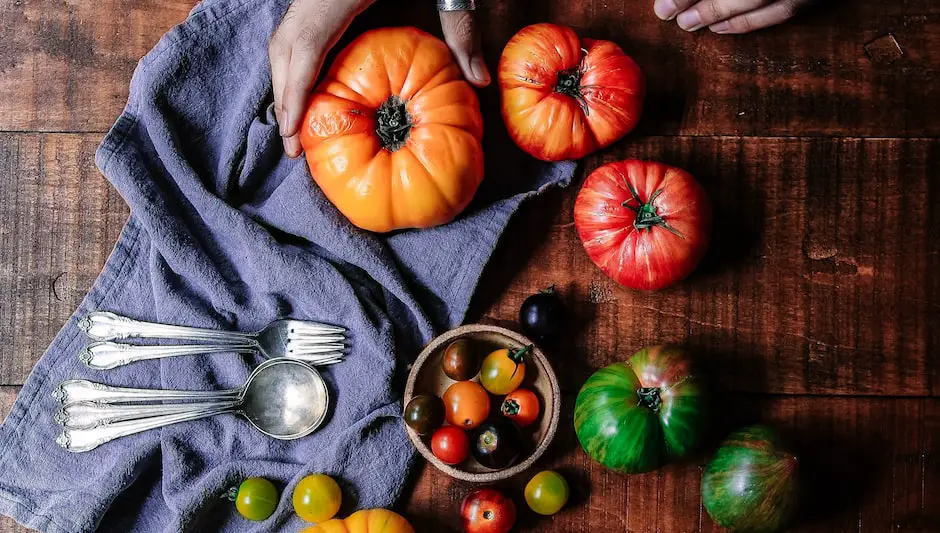
Imagine plucking a sun-ripened tomato, still warm from the vine, and enjoying its explosion of flavor right in the middle of winter. Sounds like a dream, right? Well, it doesn't have to be!
Growing tomatoes indoors opens up a world of possibilities for home gardeners. Not only does it allow you to extend the growing season, providing delicious, homegrown tomatoes year-round, but it also offers a fantastic solution for those with limited outdoor space, like apartment dwellers or balcony gardeners. Plus, controlling the indoor environment means you can protect your precious plants from unpredictable weather, pests, and diseases that often plague outdoor gardens.
Ready to get started? Here’s a quick tip to kick things off: Ensure you have a high-quality potting mix specifically formulated for vegetables. Avoid using garden soil, as it can compact in containers and hinder drainage. A well-draining, nutrient-rich potting mix is the foundation for healthy, happy tomato plants.
Growing Tomatoes Indoors: Is It Possible?
Absolutely! While it might seem like tomatoes need endless sunshine and sprawling gardens, with the right approach, you can absolutely cultivate thriving tomato plants indoors. The key lies in understanding their needs and replicating the ideal outdoor conditions as closely as possible. This means focusing on light, temperature, watering, and nutrient management. Don’t be intimidated; with a bit of planning and care, you’ll be enjoying homegrown tomatoes even when the snow is falling outside.
Essential Factors for Indoor Tomato Success
Growing tomatoes indoors isn't quite as simple as sticking a seed in a pot and hoping for the best. To maximize your chances of success, you need to pay close attention to these essential factors: Light:Tomatoes are sun-loving plants, needing at least 6-8 hours of direct sunlight per day. If you don't have a south-facing window that provides sufficient light, you'll need to invest in grow lights. Full-spectrum LED grow lights are an excellent choice, as they provide the necessary wavelengths of light for optimal growth and fruit production. Position the lights a few inches above the plants and adjust as they grow.
Temperature: Tomatoes thrive in daytime temperatures between 70-80°F (21-27°C) and nighttime temperatures between 60-70°F (15-21°C). Avoid placing your plants near drafty windows or heating vents, as temperature fluctuations can stress them.
Watering: Consistent watering is crucial. Keep the soil consistently moist but not waterlogged. Allow the top inch of soil to dry out before watering again. Overwatering can lead to root rot, while underwatering can cause blossom end rot. Using pots with drainage holes is essential.
Pollination: Indoor tomatoes need help with pollination since there are no bees or wind to do the job. You can manually pollinate your plants by gently shaking the stems or using a small brush to transfer pollen from one flower to another. Doing this every day or every other day will significantly increase fruit set.
Nutrients: Tomatoes are heavy feeders, so regular fertilization is a must. Use a balanced liquid fertilizer specifically formulated for tomatoes, following the instructions on the label. Fertilize every 2-3 weeks during the growing season.
Air Circulation: Good air circulation helps prevent fungal diseases. A small fan can help circulate the air around your plants, reducing humidity and the risk of problems.
What are the best tomato varieties to grow indoors?
Choosing the right tomato variety is crucial for indoor success. Compact, determinate varieties that are bred for container growing are generally the best choices. Here are a few popular options: Patio:As the name suggests, this variety is perfect for containers and produces abundant clusters of small, flavorful tomatoes.
Tiny Tim: A very compact variety that's ideal for small spaces. It produces small, cherry-sized tomatoes.
Roma: A popular paste tomato that's also suitable for container growing.
Bush Early Girl: An early-maturing variety that's relatively compact and produces good-sized tomatoes.
Tumbling Tom: This variety is specifically bred for hanging baskets and produces cascading vines of cherry tomatoes.
How big of a pot do my indoor tomato plants need?
The size of the pot depends on the variety of tomato you're growing. As a general rule, determinate (bush) varieties need at least a 5-gallon pot, while indeterminate (vining) varieties need at least a 10-gallon pot. Larger pots are always better, as they provide more room for the roots to grow and help retain moisture. Make sure the pot has adequate drainage holes to prevent waterlogging.
Step-by-Step Guide to Planting Tomatoes Indoors
Ready to get your hands dirty? Here's a step-by-step guide to planting tomatoes indoors:
1.Choose your seeds or seedlings: Start with high-quality seeds or purchase healthy seedlings from a reputable nursery.
2.Prepare your pot: Fill the pot with a well-draining potting mix, leaving a few inches of space at the top.
3.Plant the seeds or seedlings: If planting seeds, sow them about ¼ inch deep. If planting seedlings, gently remove them from their containers and plant them at the same depth they were growing in previously. You can even bury the stem a little bit, as tomatoes will develop roots along the buried stem, leading to a stronger root system.
4.Water thoroughly: After planting, water the soil thoroughly until water drains out of the bottom of the pot.
5.Provide light and warmth: Place the pot in a sunny south-facing window or under grow lights. Maintain a consistent temperature of 70-80°F (21-27°C).
6.Support your plants: As your tomato plants grow, they may need support. Use stakes, cages, or trellises to keep the plants upright and prevent the fruit from weighing them down.
Troubleshooting Common Indoor Tomato Problems
Even with the best care, you might encounter some challenges when growing tomatoes indoors. Here are some common problems and how to address them: Blossom End Rot: This is caused by a calcium deficiency, usually due to inconsistent watering. Ensure consistent watering and consider adding calcium to the soil. Yellowing Leaves: This can be caused by a variety of factors, including overwatering, underwatering, nutrient deficiencies, or pests. Check the soil moisture and adjust your watering accordingly. Fertilize regularly with a balanced tomato fertilizer. Inspect the plants for pests and treat accordingly. Pests: Indoor tomatoes can be susceptible to pests such as aphids, whiteflies, and spider mites. Inspect your plants regularly and treat infestations promptly with insecticidal soap or neem oil. Fungal Diseases: Poor air circulation and high humidity can lead to fungal diseases such as powdery mildew and early blight. Improve air circulation by using a fan and avoid overwatering. Treat affected plants with a fungicide.
How long do tomatoes take to grow indoors?
The time it takes for tomatoes to grow indoors depends on the variety, but generally, you can expect to harvest your first tomatoes 60-80 days after planting seedlings. Starting from seed will add a few weeks to the process. Factors like light, temperature, and nutrient availability can also affect the growth rate. Be patient and consistent with your care, and you'll be rewarded with delicious homegrown tomatoes.
Can tomatoes grow indoors year-round?
Yes, with the right conditions, you can grow tomatoes indoors year-round. However, you may need to adjust your care routine depending on the season. During the winter months, you'll likely need to rely more heavily on grow lights to provide adequate light. You may also need to adjust your watering schedule and fertilization routine.
Tips for Growing Bigger and Better Tomatoes Indoors
Want to take your indoor tomato gardening to the next level? Here are some extra tips for growing bigger and better tomatoes: Prune your plants: Pruning helps to improve air circulation and encourage fruit production. Remove suckers (the small shoots that grow between the main stem and branches) to direct the plant's energy towards fruit development. Provide support: As your tomato plants grow, they may need support to prevent the fruit from weighing them down. Use stakes, cages, or trellises to keep the plants upright. Rotate your plants: Rotate your plants regularly to ensure that all sides receive equal exposure to light. Use a self-watering pot: Self-watering pots can help to maintain consistent soil moisture, which is especially important for preventing blossom end rot. Consider companion planting:Plant basil or marigolds near your tomato plants to help deter pests.
Growing tomatoes indoors is a rewarding and enjoyable experience. It takes a little effort and attention, but the taste of homegrown tomatoes in the dead of winter is well worth it. Don't be afraid to experiment and try different varieties and techniques. Each growing season is a learning opportunity, and with each harvest, you'll become a more skilled and confident tomato gardener. So, grab some seeds, get your hands dirty, and start growing! You might just surprise yourself with what you can achieve.
Post a Comment for "Can a Tomato Plant Thrive Indoors"