Step-by-Step Growing Cherry Tomatoes in Pots
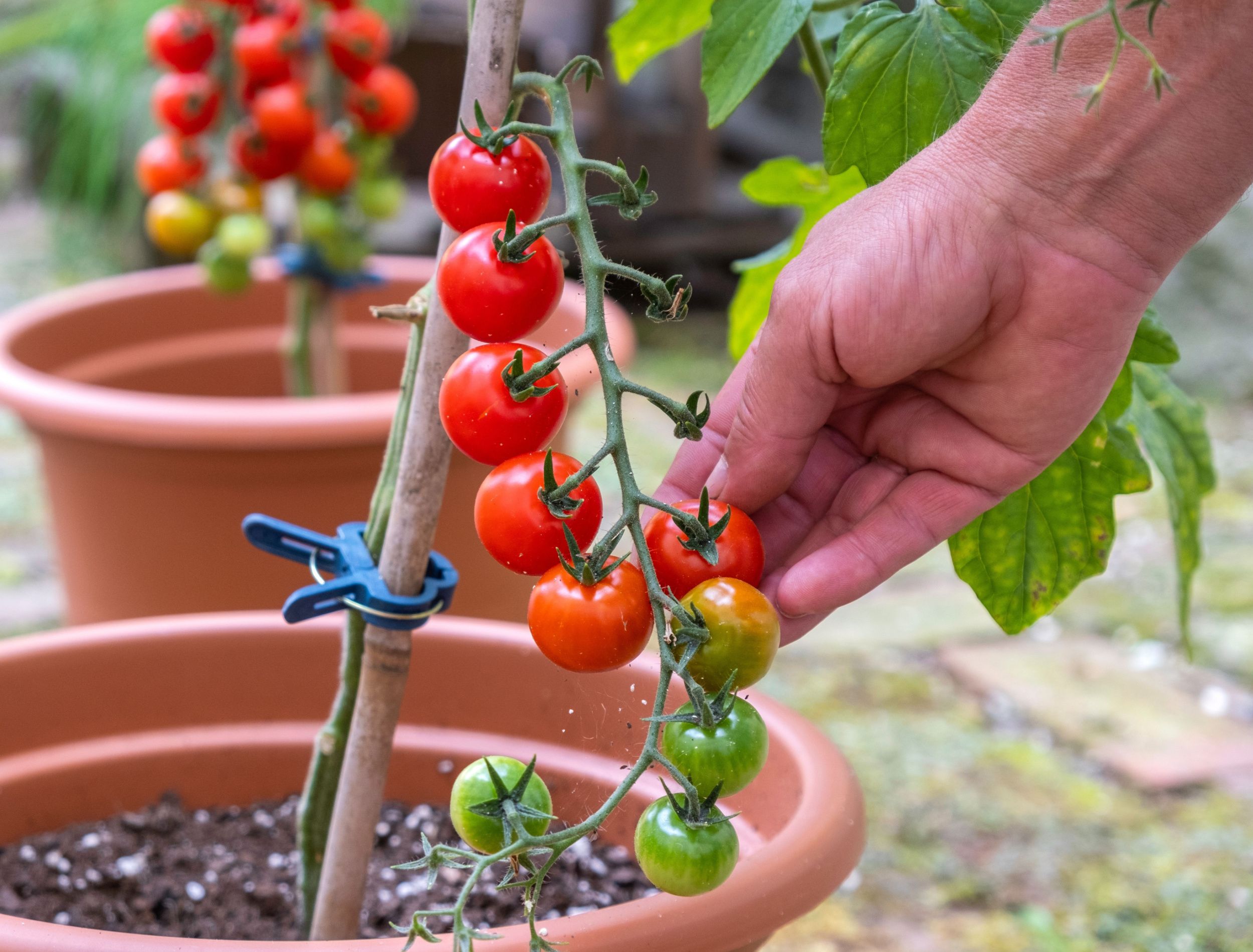
Imagine plucking sun-warmed, bursting-with-flavor cherry tomatoes straight from your patio – a taste of summer, grown by you, right at your fingertips. It's easier than you think!
Growing cherry tomatoes in pots is a game-changer for home gardeners. You don't need acres of land to enjoy the incredible sweetness and juiciness of homegrown tomatoes. Container gardening lets you bring the garden to your balcony, deck, or even indoors, offering a bountiful harvest in a small space. Plus, the portability of pots means you can chase the sun, protecting your precious plants from unexpected weather.
Ready for a quick win? Before you even think about planting, soak your cherry tomato seeds in a weak chamomile tea solution for about 30 minutes. This can help boost germination and protect against fungal diseases early on.
Step-by-Step Growing Cherry Tomatoes in Pots
Growing cherry tomatoes in pots is a rewarding experience, providing fresh, delicious produce right at your doorstep. Here’s a detailed guide to help you succeed:1. Choosing the Right Pot:
The size of your pot is crucial. Cherry tomatoes need ample space for their roots to thrive. Select a pot that is at least 12 inches in diameter and depth, but ideally 14-16 inches for optimal growth. Larger pots retain moisture better, reducing the need for frequent watering. Ensure your pot has drainage holes to prevent waterlogging, which can lead to root rot. Terracotta or plastic pots are both suitable, but terracotta tends to dry out faster.
2. Selecting the Perfect Cherry Tomato Variety
Not all cherry tomatoes are created equal, especially when it comes to container gardening. Consider these popular and well-suited varieties: ‘Tiny Tim’:A super compact variety perfect for small spaces, even windowsills. ‘Sweet Million’:Produces enormous yields of sweet, bite-sized tomatoes. ‘Sungold’:Known for its exceptionally sweet, golden-orange fruit. ‘Black Cherry’:An heirloom variety with a rich, complex flavor and beautiful dark color. ‘Patio Choice Yellow’:Dwarf plants with golden fruit, perfect for small pots and hanging baskets.
Consider disease resistance when making your choice, especially if you’ve had tomato issues in the past.
3. The Right Soil Matters
The best soil for tomatoes in pots is a high-quality potting mix, not garden soil. Garden soil is too dense and doesn't drain well in containers, potentially suffocating the roots. Look for a potting mix that contains a blend of peat moss, perlite, and vermiculite. This combination provides good drainage, aeration, and water retention. You can also amend your potting mix with compost to add nutrients and improve soil structure. Avoid mixes that are overly heavy or contain large chunks of wood.
4. Starting Seeds or Buying Seedlings
You have two options: start your own seeds indoors or purchase seedlings from a nursery. Starting from seed gives you more control over the process and allows you to choose from a wider variety of tomatoes. However, it requires more time and effort. If you're a beginner, buying seedlings is a convenient option.
Starting Seeds: Sow seeds indoors 6-8 weeks before the last expected frost. Use seed-starting trays or small pots filled with seed-starting mix. Keep the soil moist and warm (around 70-75°F). Once the seedlings have developed their first true leaves, transplant them into larger pots. Buying Seedlings: Choose healthy seedlings with sturdy stems and vibrant green leaves. Avoid plants that are leggy, yellowed, or have signs of disease or pests.
5. Planting Your Cherry Tomato Seedlings
Gently remove the seedling from its container. If the roots are tightly bound, gently loosen them with your fingers. Dig a hole in the center of your pot that is large enough to accommodate the root ball. Place the seedling in the hole and backfill with potting mix, gently firming the soil around the base of the plant. Plant the seedling slightly deeper than it was in its original container, as tomatoes can develop roots along their stems. Water thoroughly after planting.
6. Sunlight, Water, and Support
Cherry tomatoes need at least 6-8 hours of direct sunlight per day. Place your pot in a sunny location, such as a south-facing balcony or patio. Water regularly, especially during hot weather. Check the soil moisture by sticking your finger into the soil. If the top inch feels dry, it's time to water. Avoid overwatering, which can lead to root rot. Water at the base of the plant, avoiding wetting the foliage.
Most cherry tomato varieties require support to prevent them from sprawling and breaking. Use a tomato cage or stakes to support the plant as it grows. Insert the cage or stakes into the pot soon after planting to avoid damaging the roots later on. Tie the stems to the support as needed using soft twine or plant ties.
7. Fertilizing for a Bountiful Harvest
Tomatoes are heavy feeders and need regular fertilization to produce a plentiful harvest. Start fertilizing your plants about two weeks after transplanting. Use a balanced fertilizer (e.g., 10-10-10) or a tomato-specific fertilizer, following the instructions on the label. You can also use organic fertilizers, such as compost tea or fish emulsion. Fertilize every 2-3 weeks throughout the growing season. Avoid over-fertilizing, which can lead to excessive foliage growth and fewer fruits.
8. Pruning and Maintenance
Pruning can help improve air circulation, reduce disease, and encourage fruit production. Remove suckers, which are small shoots that grow between the main stem and the branches. These suckers can drain energy from the plant and reduce fruit yield. Pinch off any yellowing or diseased leaves to prevent the spread of disease. Keep the area around the base of the plant free of weeds. Mulching with straw or wood chips can help retain moisture and suppress weeds.
9. Pest and Disease Control
Keep an eye out for common tomato pests, such as aphids, whiteflies, and tomato hornworms. Inspect your plants regularly and take action promptly if you spot any pests. Handpick pests or use insecticidal soap or neem oil to control infestations.
Tomatoes are also susceptible to various diseases, such as early blight, late blight, and blossom end rot. To prevent disease, provide good air circulation, avoid overwatering, and use disease-resistant varieties. If you spot signs of disease, remove affected leaves and treat the plant with a fungicide if necessary. Blossom end rot, caused by calcium deficiency, can be prevented by adding calcium to the soil or using a calcium-rich fertilizer.
10. Harvesting Your Cherry Tomatoes
Cherry tomatoes are typically ready to harvest about 55-70 days after planting. The fruits should be fully colored and slightly soft to the touch. Gently twist or clip the tomatoes from the vine. Harvest regularly to encourage continued fruit production. Store your harvested cherry tomatoes at room temperature for the best flavor.
How long do cherry tomato plants take to grow?
Typically, cherry tomato plants are ready to harvest about 55-70 days after transplanting seedlings. Starting from seed will add several weeks to the overall time, as seeds need to germinate and seedlings need to grow to a transplantable size. The exact time also depends on the variety, weather conditions, and how well you care for your plants. Warmer temperatures and consistent watering and fertilizing will speed up the process.
Can tomatoes grow indoors year-round?
Yes, you can grow tomatoes indoors year-round, but it requires some planning and effort. The biggest challenge is providing enough light. Tomatoes need at least 6-8 hours of direct sunlight per day, which can be difficult to achieve indoors, especially during the winter months. Supplement with grow lights to ensure adequate light exposure. Choose a sunny location, such as a south-facing window, and use reflective materials to maximize light. Temperature control is also important. Maintain a consistent temperature between 65-75°F. Pollinating flowers manually can also help fruit to set in the absence of wind and insect activity.
Tips for Growing Bigger Tomatoes
While cherry tomatoes are prized for their small size and sweetness, you can still encourage them to grow slightly larger and more abundantly. Here are a few tips: Consistent Watering: Inconsistent watering can lead to smaller, less flavorful tomatoes. Water deeply and regularly, especially during hot weather. Proper Fertilization: Use a tomato-specific fertilizer that is rich in phosphorus and potassium, which are essential for fruit development. Pruning: Pruning suckers allows the plant to focus its energy on producing larger and more abundant fruit. Sunlight: Ensure your plants receive at least 6-8 hours of direct sunlight per day. Choose the Right Variety:Some cherry tomato varieties naturally produce larger fruits than others.
What are common problems when growing cherry tomatoes in pots?
Some common problems you might encounter include: Blossom End Rot: Caused by calcium deficiency, resulting in dark, sunken spots on the bottom of the tomatoes. Aphids and Whiteflies: These pests can suck the sap from your plants, weakening them and reducing fruit production. Fungal Diseases: Early blight and late blight can cause spots on leaves and stems, and eventually kill the plant. Poor Fruit Set: Caused by lack of pollination, high temperatures, or insufficient light. Overwatering:Can lead to root rot and other fungal diseases.
With a little knowledge and care, you can overcome these challenges and enjoy a bountiful harvest of delicious cherry tomatoes.
Don't be afraid to experiment with different varieties, soil mixes, and growing techniques to find what works best for you. Each season is a learning opportunity, and the more you grow, the more you'll understand your plants and their needs. Embrace the process, enjoy the journey, and savor the taste of homegrown cherry tomatoes! Happy gardening!
Post a Comment for "Step-by-Step Growing Cherry Tomatoes in Pots"