Growing San Marzano Tomato Plants for Sauces
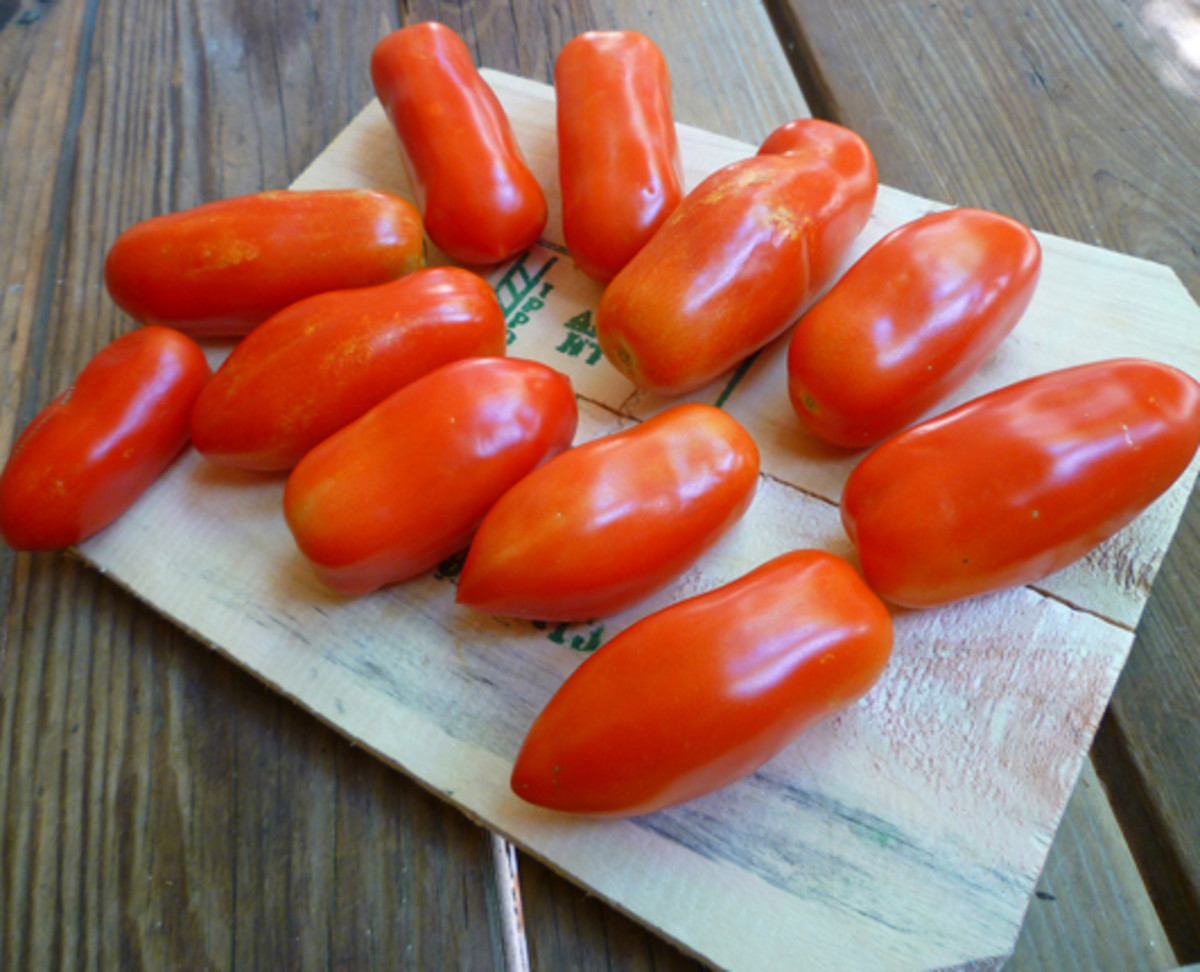
There’s nothing quite like biting into a sun-ripened tomato, bursting with flavor. But imagine capturing that taste and transforming it into rich, delicious sauces you can enjoy all year round!
Growing your own San Marzano tomatoes allows you to do just that. These tomatoes are famous for their exceptional flavor, meaty texture, and low seed count, making them perfect for homemade sauces. Plus, growing your own food is incredibly rewarding and connects you to the earth in a meaningful way. You control exactly what goes into your food, ensuring the freshest, healthiest ingredients for your family.
Want to give your tomato plants a boost right away? Try adding a tablespoon of Epsom salts to the soil around each plant. The magnesium sulfate helps with nutrient absorption and can lead to bigger, healthier tomatoes.
Growing San Marzano Tomatoes for the Ultimate Sauce
San Marzano tomatoes are the gold standard for Italian tomato sauce, and for good reason. Their sweet, intense flavor and dense flesh create a sauce that’s far superior to anything you can buy in a store. While they’re traditionally grown in the volcanic soil near Mount Vesuvius in Italy, you can successfully cultivate them in your own backyard, or even in containers on your patio. Let’s dive into how to grow these sauce superstars!
Choosing the Right Variety
While "San Marzano" is a well-known name, there are actually different strains and hybrids available. Look for varieties labeled as "San Marzano Lungo" or "San Marzano Redorta." These are generally considered to be the most authentic and flavorful. Seed catalogs and online retailers often carry a range of options, so do a little research to find the best fit for your growing conditions. Also, consider disease resistance when choosing your seeds or starter plants. Some varieties are bred to be more resistant to common tomato diseases like Fusarium wilt and Verticillium wilt, which can save you a lot of headaches down the road.
Starting from Seed or Buying Transplants
You can start San Marzano tomatoes from seed indoors about 6-8 weeks before the last expected frost. This gives them a head start and allows you to select the strongest seedlings. Use a seed-starting mix and provide plenty of light, either from a sunny window or grow lights. Keep the soil consistently moist but not soggy.
If you don't have the time or space to start from seed, you can also purchase San Marzano tomato transplants from a local nursery or garden center. Choose plants that are healthy, sturdy, and free from any signs of disease or pests. Avoid plants that are already flowering or fruiting, as they may be stressed and less likely to thrive after transplanting.
Preparing the Soil
San Marzano tomatoes thrive in well-drained soil that's rich in organic matter. Before planting, amend your soil with compost, aged manure, or other organic amendments. This will improve drainage, provide essential nutrients, and create a healthy environment for your tomato plants. A slightly acidic soil p H of around 6.0 to
6.8 is ideal. You can test your soil p H with a home testing kit or by sending a sample to your local agricultural extension office. If your soil is too acidic, you can add lime to raise the p H. If it's too alkaline, you can add sulfur to lower the p H.
If you're growing in containers, choose a large pot (at least 15 gallons) with drainage holes. Use a high-quality potting mix specifically formulated for vegetables. Avoid using garden soil in containers, as it can become compacted and impede drainage.
Planting and Spacing
Once the danger of frost has passed and the soil has warmed up, it's time to transplant your San Marzano tomato plants outdoors. Choose a sunny location that receives at least 6-8 hours of direct sunlight per day. Space the plants about 2-3 feet apart to allow for good air circulation. This will help prevent diseases and ensure that each plant has enough room to grow and produce fruit.
When planting, dig a hole that's slightly larger than the root ball of the transplant. Gently remove the plant from its container and loosen the roots. Place the plant in the hole and backfill with soil, firming gently around the base. Water thoroughly after planting.
A helpful tip is to bury the stem deeper than it was in the original container. Tomatoes will grow roots along the buried stem, which will result in a stronger and more productive plant. You can even remove the lower leaves before planting to bury more of the stem.
Providing Support: Staking or Caging
San Marzano tomatoes are indeterminate, meaning they will continue to grow and produce fruit throughout the growing season. They can get quite tall and heavy, so it's essential to provide support to prevent them from sprawling on the ground and becoming susceptible to disease.
You can use stakes, cages, or trellises to support your tomato plants. Staking involves driving a sturdy stake into the ground near each plant and tying the main stem to the stake as it grows. Cages are wire structures that surround the plant and provide support as it grows. Trellises are frameworks that allow the plant to climb vertically.
Choose the support method that works best for you and your garden. Be sure to install the support system at the time of planting to avoid disturbing the roots later on.
Watering and Fertilizing
Consistent watering is essential for healthy tomato growth and fruit production. Water deeply and regularly, especially during hot, dry weather. Aim to keep the soil consistently moist but not soggy. Avoid overhead watering, as this can promote fungal diseases. Instead, water at the base of the plant, using a soaker hose or drip irrigation system.
Fertilize your San Marzano tomato plants every 2-3 weeks with a balanced fertilizer that's specifically formulated for tomatoes. Follow the instructions on the fertilizer label carefully. Avoid over-fertilizing, as this can lead to excessive foliage growth and reduced fruit production. You can also supplement with compost tea or fish emulsion for an extra boost of nutrients.
Pruning and Suckering
Pruning and suckering are important practices for maintaining healthy and productive San Marzano tomato plants. Suckers are the small shoots that grow in the crotch between the main stem and the branches. Removing these suckers will improve air circulation, direct the plant's energy towards fruit production, and prevent the plant from becoming too crowded.
Use your fingers or pruning shears to remove the suckers when they are small (a few inches long). Prune regularly throughout the growing season to maintain a manageable plant size and shape.
Dealing with Pests and Diseases
San Marzano tomatoes are susceptible to a variety of pests and diseases, including aphids, whiteflies, tomato hornworms, blossom end rot, and fungal diseases. Regularly inspect your plants for any signs of problems.
If you spot pests, you can try spraying them with insecticidal soap or neem oil. These are natural and effective options for controlling many common garden pests. For fungal diseases, ensure good air circulation around your plants and avoid overhead watering. You can also apply a fungicide if necessary.
Blossom end rot is a common problem that's caused by a calcium deficiency. It's characterized by a dark, leathery spot on the bottom of the tomato. To prevent blossom end rot, ensure that your soil has adequate calcium and water your plants consistently. You can also add calcium to the soil by mixing in crushed eggshells or bone meal.
Harvesting and Storing
San Marzano tomatoes are typically ready to harvest about 70-80 days after transplanting. The tomatoes will be deep red in color and slightly soft to the touch. Gently twist the tomatoes off the vine, being careful not to damage the plant.
Harvest your tomatoes regularly as they ripen. This will encourage the plant to produce more fruit.
If you're not going to use your tomatoes right away, you can store them at room temperature for a few days. Avoid refrigerating them, as this can affect their flavor and texture. For longer storage, you can freeze, can, or dry your San Marzano tomatoes. They are particularly well-suited for making sauce that can be enjoyed all year round.
Troubleshooting Common Problems
Even with the best care, you may encounter some challenges when growing San Marzano tomatoes. Here are some common problems and how to address them: Yellowing Leaves: This can be caused by a variety of factors, including nutrient deficiencies, overwatering, or underwatering. Check your soil drainage and adjust your watering schedule accordingly. You can also fertilize with a balanced fertilizer to address any nutrient deficiencies. Cracking Fruit: This is often caused by inconsistent watering. Try to water your plants regularly and evenly, especially during hot, dry weather. Lack of Fruit Set: This can be caused by high temperatures, poor pollination, or nutrient deficiencies. Ensure that your plants are getting enough sunlight and water. You can also try hand-pollinating the flowers by gently shaking the plant or using a small brush to transfer pollen from one flower to another. Pests and Diseases: Regularly inspect your plants for any signs of pests or diseases and take action promptly.
How long do tomato plants take to grow?
From transplant to harvest, expect San Marzano tomatoes to take around 70-80 days to mature. Starting from seed adds an additional 6-8 weeks to the timeline.
Can tomatoes grow indoors year-round?
Yes, with sufficient light (grow lights are often necessary) and consistent care, you can grow tomatoes indoors year-round. Choose determinate varieties that are compact and well-suited for container growing.
What is the best soil for tomatoes?
The best soil for tomatoes is well-draining, rich in organic matter, and slightly acidic (p H 6.0-6.8). Amend your soil with compost, aged manure, or other organic amendments to improve drainage and provide essential nutrients.
Growing San Marzano tomatoes takes a bit of effort, but the reward is a flavor experience you just can't find anywhere else. Don't be afraid to experiment with different techniques and find what works best for your garden and your taste. Every season is a new opportunity to learn and refine your tomato-growing skills. So get out there, plant those seeds, and get ready to savor the taste of homemade San Marzano sauce!
Post a Comment for "Growing San Marzano Tomato Plants for Sauces"