Growing a Tomato Plant Beginner’s Mistakes to Avoid
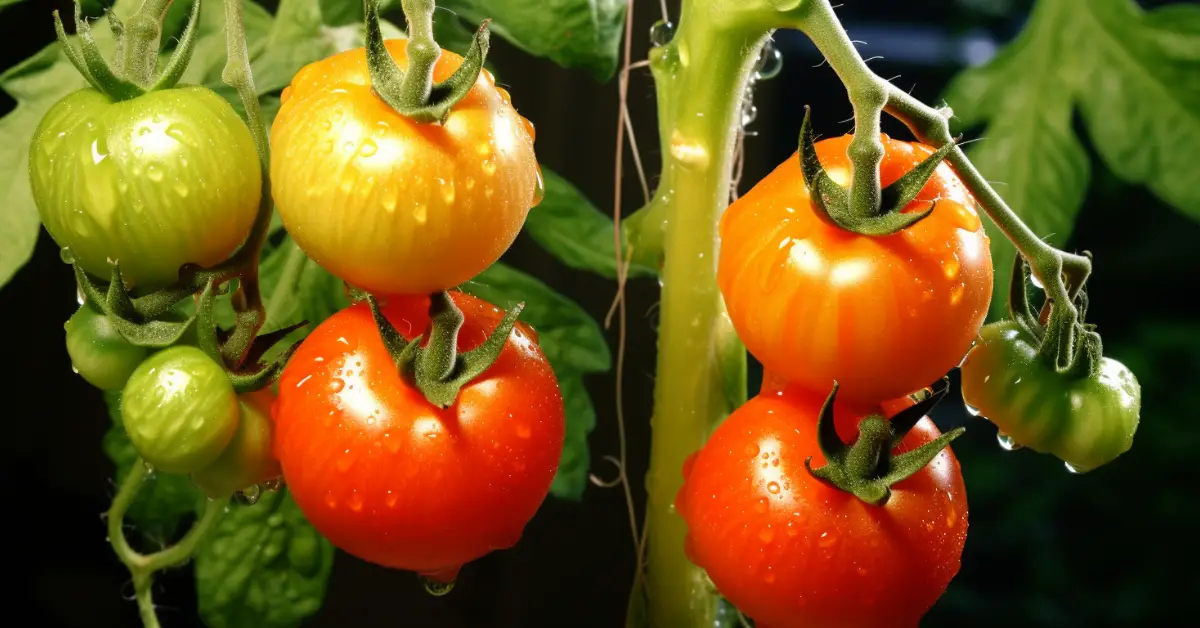
Imagine biting into a sun-warmed, juicy tomato, bursting with flavor from your own garden. That taste is within reach! Growing tomatoes is a rewarding experience, but it’s easy to stumble if you’re just starting out.
Understanding common mistakes that beginner tomato growers make can be the difference between a disappointing harvest and buckets overflowing with delicious fruit. Avoiding these pitfalls means more tomatoes, better flavor, and a more enjoyable gardening experience, whether you’re growing in containers on a balcony or have a dedicated garden plot.
Ready to get started on the right foot? Let’s begin with one simple action: before you even think about planting, spend some time researching the best tomato varieties for your local climate. Choosing the right variety is half the battle!
Choosing the Wrong Tomato Variety
Selecting the wrong type of tomato is a very common first-timer mistake. Those glossy pictures on seed packets can be tempting, but not all tomatoes thrive everywhere.
Think about your climate: Do you have long, hot summers, or a shorter, cooler growing season? Choose varieties that are known to perform well in your area. Your local nursery or cooperative extension office is an excellent resource for finding regionally adapted tomato plants.
Also, consider how you plan to use your tomatoes. Are you dreaming of slicing juicy beefsteaks for burgers, or do you want to whip up batches of homemade sauce? Different varieties excel in different areas. Heirlooms often offer fantastic flavor, but can be more susceptible to disease, while hybrid varieties are often bred for disease resistance and higher yields.
Indeterminate vs. Determinate: Know the difference! Indeterminate varieties continue to grow and produce fruit throughout the season, requiring staking or caging. Determinate varieties grow to a specific size and produce most of their fruit at once – great for canning.
Early, Mid, or Late Season: Match your tomato variety to your growing season length. If you live in a northern climate with short summers, choose early-season varieties.
Disease Resistance: Look for varieties labeled with disease resistance codes (e.g., V, F, N, T, A). These indicate resistance to common tomato diseases like Verticillium wilt, Fusarium wilt, nematodes, Tobacco Mosaic Virus, and Alternaria.
What are the easiest tomatoes to grow for beginners?
Some reliably easy and productive tomato varieties for beginners include: Cherry Tomatoes: Sungold, Sweet 100, Black Cherry Determinate Varieties: Roma, Celebrity, Bush Early Girl Patio Tomatoes:Tiny Tim, Patio Princess
Can I grow heirloom tomatoes if I'm a beginner?
Yes, you absolutely can! Just be aware that heirloom tomatoes can sometimes be more susceptible to disease than hybrid varieties. Choose disease-resistant heirloom varieties when possible, and be diligent about monitoring your plants for any signs of trouble. Some good beginner-friendly heirloom options include Brandywine (choose a faster-maturing strain), Cherokee Purple, and Mortgage Lifter.
Neglecting Soil Preparation
Tomatoes are heavy feeders, meaning they require a lot of nutrients to thrive. Planting them in poor soil is like sending them off to a marathon without any fuel.
Before planting, amend your soil with plenty of organic matter, such as compost, aged manure, or peat moss. This will improve drainage, aeration, and nutrient content. A soil test can also be very helpful in determining the specific nutrient needs of your soil. You can purchase a soil test kit at most garden centers or send a sample to your local cooperative extension office for analysis.
Ideal Soil p H: Tomatoes prefer a slightly acidic soil p H of between 6.0 and
6.8. Drainage is Key:Tomatoes hate soggy feet! Ensure your soil drains well to prevent root rot. If you have heavy clay soil, consider planting in raised beds or containers.
Fertilizer at Planting: Add a balanced fertilizer at planting time, following the package instructions. Choose a fertilizer formulated for tomatoes, or use a general-purpose fertilizer with an N-P-K ratio of around 10-10-10.
What is the best soil for tomatoes in pots?
For growing tomatoes in pots, use a high-quality potting mix specifically designed for containers. These mixes are typically lighter and provide better drainage than garden soil. Avoid using garden soil in pots, as it can become compacted and waterlogged.
How often should I fertilize my tomato plants?
After the initial fertilization at planting, feed your tomato plants every 2-3 weeks with a liquid fertilizer diluted to half strength. Or, top-dress with a slow-release granular fertilizer according to package directions. Look for fertilizers that are higher in phosphorus and potassium than nitrogen, as these nutrients promote fruit development.
Improper Watering Techniques
Watering is crucial for healthy tomato growth, but it's easy to get it wrong. Overwatering can lead to root rot and fungal diseases, while underwatering can stress plants and reduce fruit production.
The key is to water deeply and less frequently. Aim to water your tomato plants when the top inch or two of soil feels dry to the touch. When you do water, soak the soil thoroughly, allowing the water to penetrate deep down to the roots.
Water at the Base: Avoid watering the foliage, as this can encourage fungal diseases. Water at the base of the plant, using a watering can or a soaker hose.
Morning is Best: Water in the morning, so the foliage has time to dry out before nightfall.
Mulch Matters: Apply a layer of mulch around your tomato plants to help retain moisture in the soil and suppress weeds. Straw, shredded bark, or compost are all good mulching options.
How can I tell if I'm overwatering my tomatoes?
Signs of overwatering include yellowing leaves, wilting (even when the soil is wet), and the presence of fungal diseases like blossom end rot. The soil will also feel consistently soggy.
How often should I water tomatoes in pots?
Tomatoes in pots typically need more frequent watering than those planted in the ground, especially during hot weather. Check the soil moisture daily, and water when the top inch or two feels dry. You may need to water container tomatoes every day, or even twice a day, during the hottest part of the summer.
Ignoring Support Systems
As your tomato plants grow, they will need support to keep their stems from breaking under the weight of the fruit. Neglecting to provide support can lead to damaged plants, reduced yields, and increased susceptibility to disease.
Staking, caging, or trellising are all effective ways to support tomato plants. Choose the method that works best for you and your garden space. Install the support system early, before the plants get too large.
Staking: Drive a sturdy stake into the ground a few inches from the tomato plant. As the plant grows, tie the main stem to the stake using soft twine or plant ties.
Caging: Place a wire tomato cage around the plant at planting time. The cage will support the plant as it grows, and will prevent the fruit from touching the ground.
Trellising: Use a trellis system to train your tomato plants to grow vertically. This is a good option for smaller gardens, as it saves space.
Not Pruning Suckers
Suckers are small shoots that grow in the "armpit" between the main stem and a branch. If left unchecked, they can quickly turn into full-sized branches, creating a tangled mess of foliage. This can reduce airflow, increase the risk of disease, and decrease fruit production.
Pruning suckers is important for indeterminate tomato varieties (the ones that keep growing all season long). Use clean pruning shears to remove the suckers when they are small, about 2-3 inches long. Focus on removing suckers below the first flower cluster, and be careful not to damage the main stem.
Determinate Varieties: Determinate tomatoes generally don't need as much pruning, as they have a more compact growth habit. You can remove any suckers that grow below the first flower cluster, but leave the rest.
Improve Airflow: Pruning suckers improves airflow around the plant, which helps to prevent fungal diseases.
Focus Energy: By removing suckers, you are directing the plant's energy towards fruit production, rather than foliage growth.
When should I start pruning my tomato plants?
Start pruning suckers when the plants are about 12-18 inches tall. Check your plants regularly (once a week) and remove any suckers that have developed.
Is it OK to prune tomato leaves?
Yes, it is generally OK to prune tomato leaves, especially those that are yellowing, diseased, or touching the ground. Removing these leaves will improve airflow and reduce the risk of disease. You can also prune some of the lower leaves to encourage the plant to focus its energy on fruit production. However, avoid removing too many leaves at once, as this can stress the plant.
Ignoring Pest and Disease Problems
Tomato plants are susceptible to a variety of pests and diseases, so it's important to be vigilant and take action at the first sign of trouble. Ignoring these problems can lead to significant crop losses.
Regularly inspect your plants for signs of pests, such as aphids, whiteflies, or tomato hornworms. Look for signs of disease, such as yellowing leaves, spots, or wilting.
Integrated Pest Management (IPM): Use an IPM approach to pest and disease control, which involves using a combination of methods to minimize the use of chemical pesticides. This can include hand-picking pests, using insecticidal soap, and planting disease-resistant varieties.
Good Air Circulation: Ensure good air circulation around your plants to prevent fungal diseases.
Remove Infected Foliage: Remove and destroy any infected foliage to prevent the spread of disease. Do not compost diseased plant material.
What are common tomato pests and diseases?
Some common tomato pests include aphids, whiteflies, tomato hornworms, and spider mites. Common tomato diseases include early blight, late blight, Septoria leaf spot, and blossom end rot.
How do I treat blossom end rot on my tomatoes?
Blossom end rot is caused by a calcium deficiency in the developing fruit. It appears as a dark, leathery spot on the bottom of the tomato. To prevent blossom end rot, ensure that your soil is well-drained and that your plants receive consistent watering. You can also add calcium to the soil by mixing in bone meal or crushed eggshells. Foliar sprays of calcium chloride can also be effective.
Harvesting Too Early (or Too Late)
Harvesting tomatoes at the right time is essential for getting the best flavor. Harvesting too early results in bland, flavorless tomatoes, while harvesting too late can lead to mushy, overripe fruit.
Tomatoes are typically ready to harvest when they are fully colored and slightly soft to the touch. The color will vary depending on the variety, but look for a deep, even color. The tomato should also easily detach from the vine with a gentle twist.
Taste Test: If you're unsure whether a tomato is ripe, give it a taste! A ripe tomato will have a sweet, tangy flavor.
Ripen Indoors: If you have a late-season frost approaching, you can harvest green tomatoes and ripen them indoors. Place them in a single layer in a cool, dark place. They will gradually ripen over a few weeks.
Store Properly: Store ripe tomatoes at room temperature, out of direct sunlight. Do not refrigerate them, as this can ruin their flavor.
How do I store my tomato harvest?
Store your ripe tomatoes at room temperature, stem side up, away from direct sunlight. Avoid storing them in the refrigerator, as this can cause them to lose flavor and texture. Use them within a few days for the best quality.
What can I do with a surplus of tomatoes?
When you have a bumper crop of tomatoes, there are many ways to preserve them. You can can them whole, diced, or as sauce. You can also make tomato paste, tomato juice, or salsa. Freezing tomatoes is another option, although they will become soft when thawed. Dehydrating tomatoes is a great way to make sun-dried tomatoes.
Growing tomatoes is a journey of learning and experimentation. Don’t be discouraged by setbacks! Each season brings new opportunities to refine your techniques and grow even better tomatoes. Embrace the process, learn from your mistakes, and most importantly, enjoy the fruits (or rather, vegetables) of your labor. Get your hands dirty, keep experimenting, and you’ll be well on your way to becoming a tomato-growing pro!
Post a Comment for "Growing a Tomato Plant Beginner’s Mistakes to Avoid"