How to Successfully Grow Tomatoes Indoors
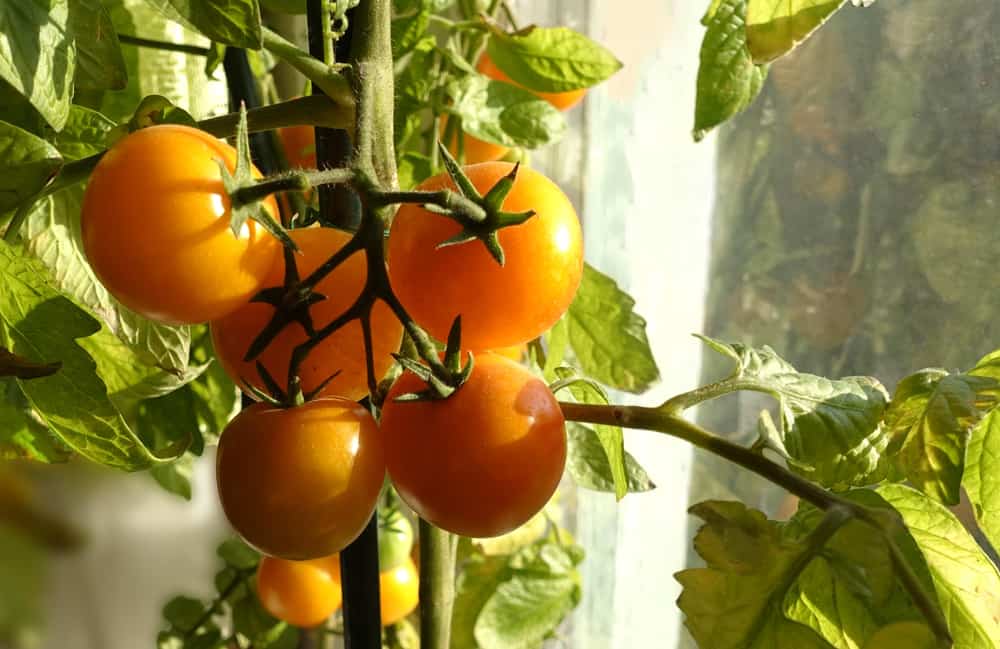
Imagine plucking a sun-ripened, juicy tomato straight from the vine, even when there's snow on the ground outside. It's not just a dream; it's the reality of growing tomatoes indoors!
For home gardeners, the ability to cultivate these delicious fruits within the comfort of your own home opens up a world of possibilities. You can enjoy fresh, flavorful tomatoes year-round, regardless of the weather. Plus, indoor gardening is a fantastic space-saving solution for those without large outdoor gardens, or those with limited mobility. You'll have greater control over pests and diseases, and you can extend your growing season indefinitely.
Want to get started right away? Try this simple trick: when planting your tomato seedlings, bury a couple of inches of the stem. This encourages more root growth, leading to a stronger, healthier plant and, ultimately, a more bountiful harvest!
Getting Started with Indoor Tomato Gardening
Indoor tomato gardening might seem intimidating at first, but with the right knowledge and a little patience, anyone can successfully grow tomatoes inside. Let's explore the key elements you'll need to consider.
Choosing the Right Tomato Variety
Not all tomato varieties are created equal when it comes to indoor growing. Smaller, more compact varieties tend to thrive best in indoor environments.
Determinate varieties: These tomatoes grow to a specific size and produce all their fruit at once, making them ideal for smaller spaces and controlled environments. Examples include Roma, Celebrity, and Patio tomatoes. Indeterminate varieties: These tomatoes continue to grow and produce fruit throughout the season. While they can be grown indoors, they require more space and pruning. Some popular indeterminate varieties include Cherry, Beefsteak, and Early Girl tomatoes. If you choose an indeterminate variety, be sure to provide adequate support with stakes or a trellis.
Consider cherry tomatoes or dwarf varieties if you’re new to indoor tomato growing. They are generally more forgiving and prolific.
Providing Adequate Light
Light is the single most important factor in growing tomatoes indoors. Tomatoes need at least 6-8 hours of direct sunlight per day to thrive. Unfortunately, most homes don't provide enough natural light, especially during the winter months. That's where grow lights come in.
Types of Grow Lights: LED grow lights are energy-efficient and provide the full spectrum of light that tomatoes need. Fluorescent grow lights are another option, but they may not be as effective as LEDs. Light Placement: Position your grow lights about 6-12 inches above your tomato plants. Adjust the height as the plants grow to ensure they receive adequate light. Light Cycle:Use a timer to ensure your tomato plants receive 14-16 hours of light per day during the vegetative stage and 12-14 hours during the flowering and fruiting stages.
If you're using natural light, choose a south-facing window that receives the most sunlight. Rotate your plants regularly to ensure even light exposure on all sides.
Selecting the Right Soil and Container
The type of soil and container you use can significantly impact the success of your indoor tomato garden.
Soil: Use a well-draining potting mix specifically formulated for vegetables. Avoid using garden soil, as it can be too heavy and compact for container gardening. A good potting mix will retain moisture while still allowing for proper drainage. Consider adding perlite or vermiculite to improve drainage and aeration. Container Size: Choose a container that is at least 12 inches in diameter and 12 inches deep for determinate varieties. Indeterminate varieties will require larger containers, at least 15-20 gallons, to accommodate their extensive root systems. Drainage:Ensure your container has drainage holes to prevent waterlogging, which can lead to root rot.
Using a self-watering container can also be beneficial, as it helps to regulate moisture levels and prevent over or under-watering.
Watering and Fertilizing
Proper watering and fertilization are crucial for healthy tomato growth and abundant fruit production.
Watering: Water your tomato plants deeply and regularly, allowing the soil to dry slightly between waterings. Avoid overwatering, which can lead to root rot. Check the soil moisture by sticking your finger about an inch into the soil. If it feels dry, it's time to water. Fertilizing: Tomatoes are heavy feeders and require regular fertilization. Use a balanced fertilizer specifically formulated for tomatoes, following the instructions on the label. Start fertilizing when the plants begin to flower and continue throughout the growing season. You can also supplement with organic fertilizers like compost tea or fish emulsion.
Pollination
Tomatoes are self-pollinating, but indoor plants may need a little help.
Hand-Pollination: Gently shake the tomato plants or use a small brush to transfer pollen from one flower to another. You can also use a fan to circulate air around the plants, which can help with pollination. Pollinating Tools: Consider using an electric toothbrush to vibrate the flower stems gently, releasing pollen.
Regularly inspect your plants for signs of pollination, such as small tomatoes forming at the base of the flowers.
Common Challenges and Solutions
Even with the best planning, you might encounter some challenges when growing tomatoes indoors. Here’s how to overcome them:
Pest Control
Indoor tomato plants are less susceptible to pests than outdoor plants, but they can still be affected by common pests like aphids, spider mites, and whiteflies.
Prevention: Regularly inspect your plants for signs of pests. Keep the growing area clean and free of debris. Treatment: If you spot pests, try washing them off with a strong stream of water or using insecticidal soap or neem oil. Always follow the instructions on the label.
Disease Prevention
Diseases like powdery mildew and blight can also affect indoor tomato plants.
Prevention: Provide good air circulation around your plants and avoid overwatering. Treatment: If you notice signs of disease, remove the affected leaves or stems and treat the plants with a fungicide.
Blossom Drop
Blossom drop, where flowers fall off the plant without producing fruit, can be caused by several factors, including temperature fluctuations, lack of pollination, or nutrient deficiencies.
Maintain consistent temperatures: Aim for daytime temperatures between 70-80°F and nighttime temperatures between 60-70°F. Ensure proper pollination: Use hand-pollination techniques or a fan to circulate air. Fertilize properly:Use a balanced tomato fertilizer to provide the necessary nutrients.
How long do tomato plants take to grow?
The time it takes for tomato plants to grow and produce fruit depends on the variety and growing conditions. Generally, it takes about 60-85 days from planting to harvest. Cherry tomatoes tend to mature faster than larger beefsteak varieties. Indoor growing conditions can sometimes extend this timeframe slightly, so patience is key. Providing optimal light, water, and nutrients will help to speed up the process.
Can tomatoes grow indoors year-round?
Yes, with the right conditions, you can grow tomatoes indoors year-round. The key is to provide adequate light, temperature, and humidity. Grow lights are essential for maintaining consistent light levels, especially during the winter months. You'll also need to ensure proper pollination, either by hand or with the help of a fan. With proper care, you can enjoy fresh, homegrown tomatoes all year long.
What are the best tips for growing bigger tomatoes indoors?
To grow bigger tomatoes indoors, focus on providing optimal growing conditions. Start with a large enough container to accommodate the plant's root system. Use a high-quality potting mix that is well-draining and nutrient-rich. Provide plenty of light, either with grow lights or a sunny window. Water regularly and fertilize with a balanced tomato fertilizer. Prune suckers (the small shoots that grow between the main stem and branches) to encourage the plant to focus its energy on fruit production. Finally, ensure proper pollination by hand or with a fan.
What temperature do tomatoes need to grow indoors?
Tomatoes thrive in temperatures between 70-80°F during the day and 60-70°F at night. Consistent temperatures are important for healthy growth and fruit production. Avoid exposing your plants to extreme temperature fluctuations, which can stress them and lead to problems like blossom drop. Using a thermostat to regulate the temperature in your growing area can help maintain consistent conditions.
How often should I water indoor tomatoes?
Water indoor tomatoes when the top inch of soil feels dry to the touch. Water deeply, until water drains out of the bottom of the pot. Avoid overwatering, which can lead to root rot. The frequency of watering will depend on several factors, including the size of the pot, the type of soil, and the humidity level. During hot, dry periods, you may need to water more frequently. Check the soil moisture regularly and adjust your watering schedule accordingly.
Enjoying Your Homegrown Tomatoes
Growing tomatoes indoors is a rewarding experience that allows you to enjoy fresh, flavorful tomatoes year-round. Once your tomatoes are ripe and ready to harvest, you can use them in a variety of dishes, from salads and sandwiches to sauces and soups. The taste of homegrown tomatoes is unmatched, and you'll appreciate the effort you put into growing them yourself.
So, grab some seeds, set up your indoor garden, and get ready to enjoy the taste of summer all year long! Don't be afraid to experiment with different varieties and techniques to find what works best for you. Happy gardening!
Post a Comment for "How to Successfully Grow Tomatoes Indoors"