Tomato Growth Explained How Long Until Harvest
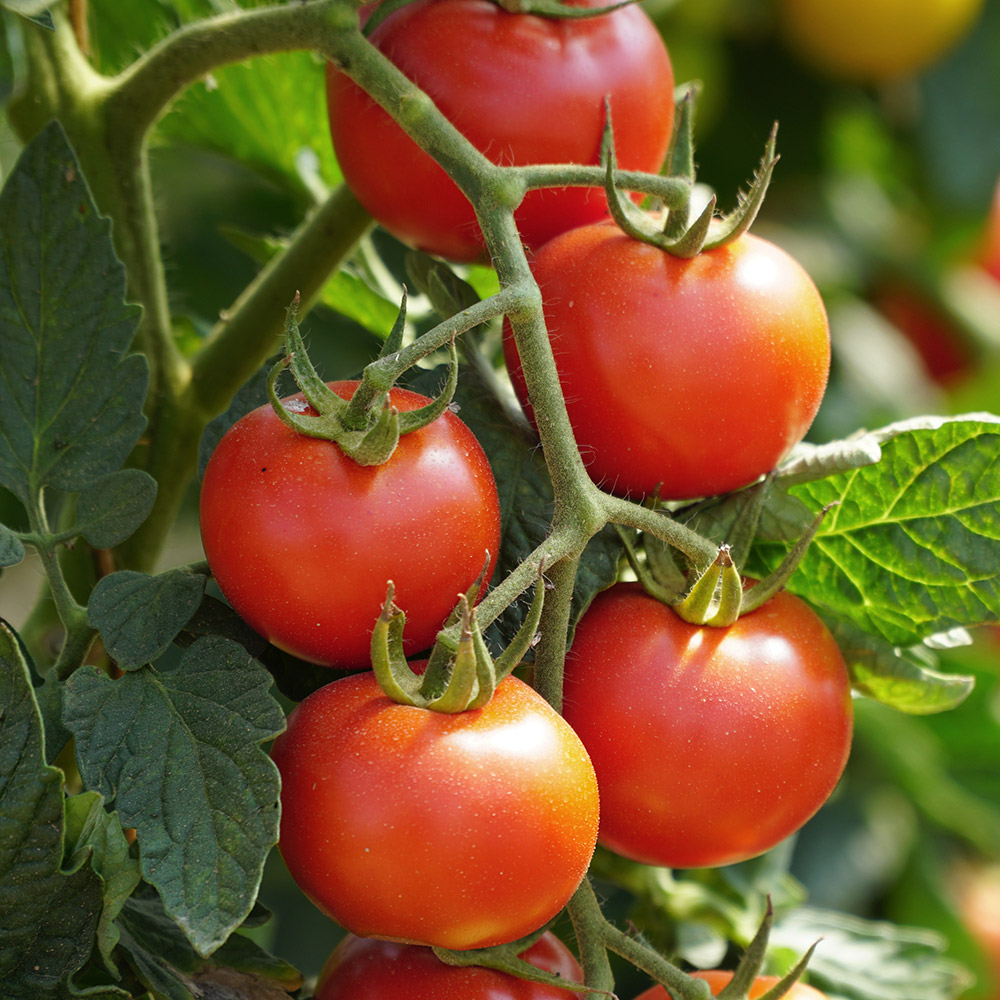
Imagine biting into a sun-warmed, juicy tomato, bursting with flavor, fresh from your own garden. That’s the dream for many home gardeners, and it’s entirely achievable! But one of the biggest questions is: how long do you have to wait to enjoy that homegrown goodness?
Understanding the tomato growth timeline is crucial for a successful harvest. It helps you plan your garden, anticipate potential problems, and ultimately, reap the rewards of delicious, homegrown tomatoes. Knowing when to expect your first ripe fruit allows you to optimize watering, fertilizing, and pruning for maximum yield and flavor. Plus, if you’re growing tomatoes in containers or a small space, timing is even more critical to ensure you get the most out of your limited growing area.
Here's a quick tip to get you started: Keep a garden journal! Note when you plant your seeds or transplants, when you first see flowers, and when your first fruits appear. This will give you valuable data for future growing seasons.
Decoding the Tomato Timeline: From Seed to Table
The journey from a tiny seed to a plump, red tomato is a fascinating one. It’s influenced by several factors, but understanding the general stages can help you become a more confident and successful tomato grower.
Stage 1: Germination (6-14 days)
This is where it all begins! Tomato seeds need warmth and moisture to sprout. Ideally, the soil temperature should be between 70-80°F (21-27°C). You can start seeds indoors 6-8 weeks before the last expected frost in your area. Use a seed-starting mix and keep the soil consistently moist but not soggy. A heat mat can help speed up germination. Once the seedlings emerge, provide them with plenty of light to prevent them from becoming leggy.
Stage 2: Seedling Growth (4-8 weeks)
Once your seedlings have sprouted, they need time to develop strong roots and leaves. Continue to provide them with plenty of light, either from a sunny window or a grow light. Water regularly, allowing the top inch of soil to dry out between waterings. You can also start fertilizing with a diluted liquid fertilizer formulated for seedlings. Once the seedlings have developed a few sets of true leaves, they are ready to be transplanted into larger pots.
Stage 3: Transplanting & Establishment (2-3 weeks)
This is a crucial stage, as the seedlings are now exposed to the elements. Choose a sunny spot in your garden with well-draining soil. Before transplanting, harden off the seedlings by gradually exposing them to outdoor conditions for a week or two. This helps them acclimate to the sun, wind, and temperature changes. When transplanting, bury the stem deeply, as tomatoes can form roots along their stems. Space the plants according to the variety's recommendations, usually 2-3 feet apart. Water well after transplanting.
Stage 4: Flowering & Fruit Set (2-4 weeks after transplanting)
After transplanting, your tomato plants will start to grow rapidly and eventually produce flowers. These flowers need to be pollinated in order to develop into fruits. In most cases, tomatoes are self-pollinating, meaning they don't need another plant to produce fruit. However, wind or insects can help to improve pollination. If you are growing tomatoes indoors or in a sheltered area, you may need to hand-pollinate the flowers by gently shaking the plant or using a small brush to transfer pollen from one flower to another.
Stage 5: Fruit Development & Ripening (varies by variety)
This is the stage where you patiently wait for your tomatoes to ripen! The time it takes for the fruit to ripen depends on the variety. Generally, it can take anywhere from 50 to 90 days from transplanting to harvest. Keep the plants well-watered and fertilized during this stage. Monitor the fruits for any signs of pests or diseases. As the tomatoes ripen, they will change color from green to yellow, orange, or red, depending on the variety. The fruit should also feel slightly soft to the touch when ripe.
Factors Influencing Tomato Harvest Time
While the stages outlined above provide a general timeline, several factors can influence how long it takes for your tomatoes to ripen.
Tomato Variety: This is the biggest determining factor. Cherry tomatoes typically ripen faster than larger beefsteak varieties. Look at the seed packet or plant label for the "days to maturity" information. Climate and Weather: Warmer temperatures generally speed up the ripening process, while cooler temperatures can slow it down. Tomatoes need plenty of sunshine to ripen properly. Soil Quality: Healthy, well-draining soil is essential for tomato growth and fruit development. Amend your soil with compost or other organic matter to improve its fertility. Watering and Fertilizing: Consistent watering and regular fertilizing are crucial for healthy tomato plants and a good harvest. Avoid overwatering, which can lead to root rot. Pest and Disease Control:Pests and diseases can weaken tomato plants and delay or reduce fruit production. Monitor your plants regularly and take action promptly if you see any problems.
How long do determinate tomatoes take to grow?
Determinate tomato varieties, often bush types, typically mature more quickly than indeterminate varieties. Expect a harvest within 60-80 days from transplanting, as they produce a concentrated yield over a shorter period.
How long do indeterminate tomatoes take to grow?
Indeterminate tomato varieties, which are vining types, generally take longer to mature, with harvests starting around 70-90 days from transplanting and continuing until frost.
Maximizing Your Tomato Harvest: Expert Tips
Want to speed things up and get the most out of your tomato plants? Here are a few proven techniques: Choose Early-Maturing Varieties: If you live in a cooler climate or have a short growing season, select tomato varieties that are known for their early maturity. Start Seeds Indoors: Starting seeds indoors gives your plants a head start on the growing season. Provide Adequate Sunlight: Tomatoes need at least 6-8 hours of direct sunlight per day. Water Consistently: Keep the soil evenly moist, but avoid overwatering. Water deeply and less frequently. Fertilize Regularly: Use a fertilizer specifically formulated for tomatoes, following the instructions on the label. Prune Your Plants: Pruning can help improve air circulation and sunlight penetration, which can speed up ripening. Remove suckers (the shoots that grow between the main stem and the branches) to encourage the plant to focus its energy on fruit production. Mulch Around Your Plants: Mulch helps to retain moisture in the soil, suppress weeds, and regulate soil temperature. Protect from Frost: If you experience a late frost, cover your tomato plants to protect them from damage. Consider Companion Planting:Planting basil near tomatoes is believed to improve their flavor and deter pests.
What is the best fertilizer for tomatoes?
A fertilizer high in phosphorus (the middle number on the fertilizer label) is ideal for promoting fruit development in tomatoes. Look for a balanced fertilizer with micronutrients as well.
How do I prevent blossom end rot in my tomatoes?
Blossom end rot, a common tomato problem, is caused by calcium deficiency. Ensure consistent watering and amend the soil with calcium-rich amendments like crushed eggshells or bone meal.
Growing tomatoes is a rewarding experience that connects you to nature and provides you with fresh, delicious produce. While the timeline can vary, understanding the different stages of growth and implementing these helpful tips will increase your chances of a bountiful harvest. Don’t be afraid to experiment with different varieties and techniques to find what works best for your garden and your climate. Happy growing!
Post a Comment for "Tomato Growth Explained How Long Until Harvest"