Growing Cherry Tomato Plants from Seed to Harvest
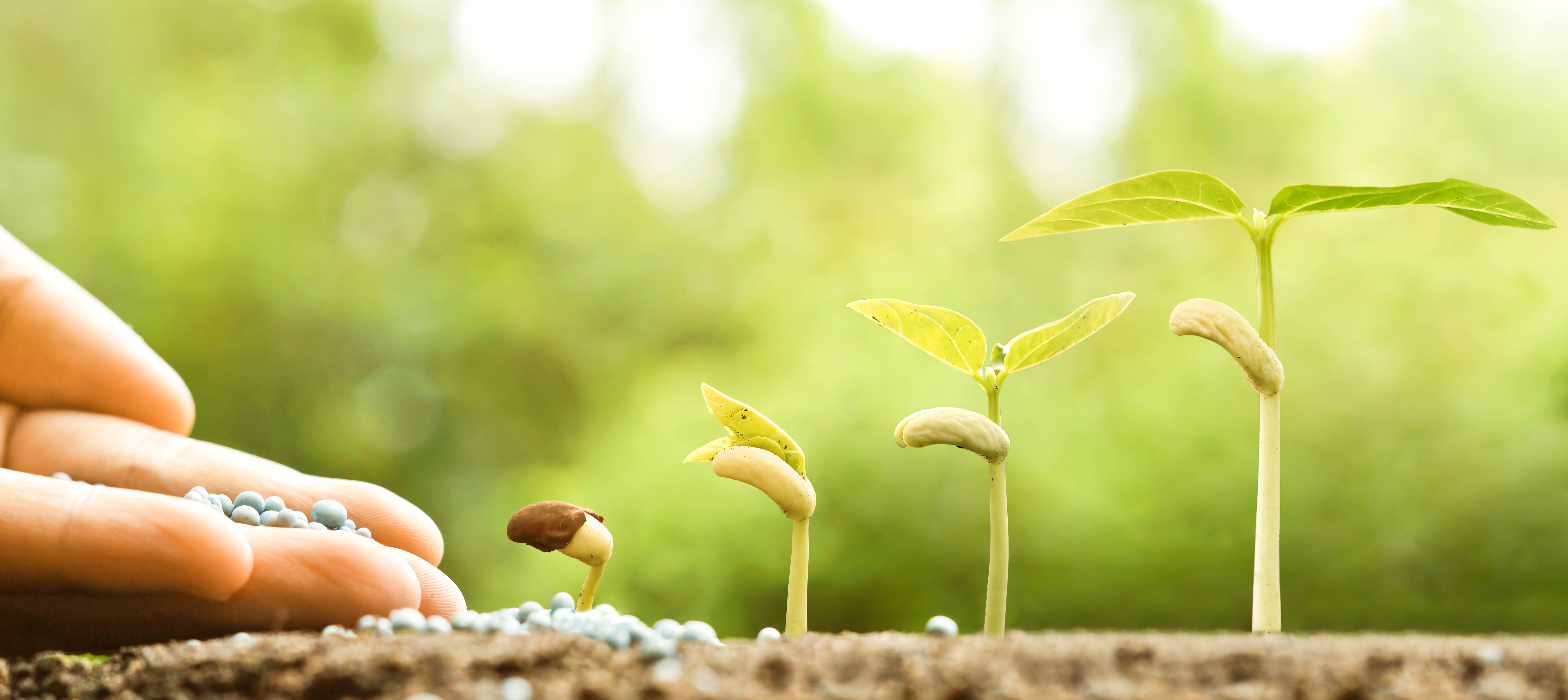
Imagine biting into a sun-warmed cherry tomato, its burst of sweetness a tiny explosion in your mouth. Now, imagine growing dozens of those little gems right in your own backyard (or even on your balcony!).
Growing cherry tomatoes is one of the most rewarding experiences for a home gardener. They're prolific, relatively easy to care for, and their compact size makes them perfect for small spaces. This means even apartment dwellers can enjoy the taste of homegrown tomatoes. Plus, who can resist popping those sweet little orbs straight from the vine?
Ready to get started? Here’s a quick tip: Soak your tomato seeds in a weak chamomile tea solution for about 30 minutes before planting. This can help improve germination rates and protect against fungal diseases!
Choosing the Right Cherry Tomato Variety
The world of cherry tomatoes is vast and exciting! From classic red varieties to yellow, orange, and even striped ones, there’s a cherry tomato out there for every taste and garden size. Selecting the right variety is the first step toward a successful harvest.
Consider these factors when choosing your cherry tomato: Growth Habit: Cherry tomatoes come in two main types: determinate and indeterminate. Determinate varieties grow to a certain size and produce all their fruit at once, making them great for canning. Indeterminate varieties, on the other hand, keep growing and producing fruit throughout the season. These are perfect for a continuous supply of snacking tomatoes. Popular indeterminate varieties include 'Sungold', 'Sweet Million', and 'Black Cherry'. Determinate varieties include 'Roma' and 'Celebrity' Disease Resistance: Look for varieties that are resistant to common tomato diseases like Fusarium wilt, Verticillium wilt, and tomato mosaic virus. Disease resistance is often indicated by abbreviations like "F," "V," and "To MV" on seed packets. Taste and Texture: Do you prefer a super sweet tomato or one with a more tangy flavor? Consider the texture, too. Some cherry tomatoes have thin skins, while others are meatier. Read descriptions carefully to find varieties that suit your palate. Days to Maturity: This refers to the time it takes from transplanting to harvesting the first ripe tomatoes. Shorter days to maturity are ideal for gardeners in cooler climates with shorter growing seasons.
What are some popular cherry tomato varieties?
'Sungold' is a consistently popular choice, loved for its exceptionally sweet and fruity flavor and vibrant orange color. 'Sweet Million' is another reliable option, known for its prolific yields of small, red tomatoes. 'Black Cherry' offers a unique, complex flavor and beautiful dark purple color. For something different, try 'Green Envy', a green when ripe cherry tomato with an interesting flavor.
Starting Cherry Tomatoes from Seed
Starting your own cherry tomato seeds gives you more control over the growing process and allows you to choose from a wider variety of cultivars. Here's how to do it:
1.Gather Your Supplies: You'll need tomato seeds, seed-starting trays or small pots, seed-starting mix (a sterile, soilless mix), a spray bottle, and a heat mat (optional but recommended).
2.Sow the Seeds: Fill your seed-starting containers with seed-starting mix. Moisten the mix thoroughly with a spray bottle. Sow seeds about ¼ inch deep and gently cover them with more mix.
3.Provide Warmth and Light: Place the seed-starting trays on a heat mat, if using, and cover them with a humidity dome or plastic wrap to create a warm, humid environment. Place the trays under grow lights or in a sunny window.
4.Keep the Soil Moist: Check the soil moisture daily and mist with a spray bottle as needed to keep it consistently moist but not waterlogged.
5.Thin Seedlings: Once the seedlings have developed their first true leaves (the second set of leaves that appear after the initial seed leaves), thin them out by snipping off the weaker seedlings at the soil line. This will give the remaining seedlings more space to grow.
How long does it take for tomato seeds to germinate?
Tomato seeds typically germinate in 5-10 days, depending on the temperature and moisture levels. Keep the soil consistently moist and warm for best results.
Transplanting Cherry Tomato Seedlings
Once your cherry tomato seedlings are about 6-8 inches tall and the weather has warmed up (no danger of frost!), it's time to transplant them into their final growing location.
1.Harden Off the Seedlings: Before transplanting, you'll need to "harden off" the seedlings by gradually exposing them to outdoor conditions. Start by placing them outside in a sheltered location for a few hours each day, gradually increasing the amount of time they spend outdoors over the course of a week.
2.Prepare the Soil: Choose a sunny location with well-drained soil. Amend the soil with compost or other organic matter to improve its fertility and drainage. Tomatoes prefer a slightly acidic soil p H of around
6.0-6.8.
3.Plant the Seedlings: Dig a hole that is slightly larger than the root ball of the seedling. Gently remove the seedling from its container and loosen the roots. Place the seedling in the hole and backfill with soil, gently firming it around the base of the plant. Bury the stem up to the first set of leaves; tomatoes will grow roots from the buried stem, resulting in a stronger, healthier plant.
4.Water Thoroughly: Water the newly transplanted seedlings thoroughly to help them establish their roots.
5.Provide Support: Cherry tomato plants, especially indeterminate varieties, can get quite tall and heavy. Provide support in the form of stakes, cages, or trellises to prevent the plants from falling over.
What's the best soil for tomatoes?
Tomatoes thrive in well-drained, fertile soil that is rich in organic matter. A good soil mix for tomatoes should include compost, peat moss, and perlite or vermiculite to improve drainage. You can also add a slow-release fertilizer to provide the plants with essential nutrients.
Caring for Cherry Tomato Plants
Proper care is essential for maximizing your cherry tomato harvest. Here are some key tips: Watering: Water deeply and regularly, especially during hot, dry weather. Aim to water at the base of the plant to avoid wetting the leaves, which can increase the risk of fungal diseases. Fertilizing: Feed your cherry tomato plants regularly with a balanced fertilizer. Follow the instructions on the fertilizer package for application rates and frequency. Side-dress with compost tea or fish emulsion every few weeks to provide additional nutrients. Pruning: Prune suckers (the small shoots that grow in the "V" between the main stem and the branches) to encourage better airflow and fruit production. For indeterminate varieties, remove suckers regularly to focus the plant's energy on fruit development. Pest and Disease Control: Monitor your plants regularly for signs of pests or diseases. Common tomato pests include aphids, whiteflies, and tomato hornworms. Treat infestations promptly with insecticidal soap or other organic pest control methods. Prevent fungal diseases by providing good airflow, avoiding overhead watering, and applying a fungicide if necessary. Mulching:Apply a layer of mulch around the base of the plants to help retain moisture, suppress weeds, and regulate soil temperature.
How often should I water my tomato plants?
The frequency of watering depends on the weather and soil conditions. As a general rule, water deeply whenever the top inch of soil feels dry to the touch. During hot, dry weather, you may need to water daily.
Harvesting and Enjoying Cherry Tomatoes
The best part of growing cherry tomatoes is, of course, harvesting and enjoying the fruits of your labor!
Harvesting: Cherry tomatoes are typically ready to harvest when they are fully colored and slightly soft to the touch. Gently twist or snip the tomatoes from the vine. Storage: Store harvested cherry tomatoes at room temperature for best flavor. Avoid refrigerating them, as this can diminish their taste and texture. Enjoying:Cherry tomatoes are delicious eaten fresh, straight from the vine. They're also great in salads, sauces, and other dishes. Get creative and experiment with different ways to use your homegrown cherry tomatoes!
Tips for Growing Bigger Tomatoes
Here are a few tips to encourage larger tomatoes: Pruning: Prune suckers to direct the plant's energy into fewer fruits. Fertilizing: Use a fertilizer high in phosphorus and potassium to promote fruit development. Watering: Consistent watering is crucial for plump, juicy tomatoes. Sunlight: Ensure your plants receive at least 6-8 hours of sunlight per day. Blossom End Rot Prevention:Maintain consistent soil moisture and ensure adequate calcium levels to prevent blossom end rot.
Growing cherry tomatoes is a journey filled with learning, experimentation, and, most importantly, delicious rewards. Don’t be afraid to try different varieties, experiment with different techniques, and learn from your mistakes. Each season brings new opportunities to improve your skills and enjoy the unparalleled satisfaction of growing your own food. So get out there, plant some seeds, and watch your cherry tomato garden thrive!
Post a Comment for "Growing Cherry Tomato Plants from Seed to Harvest"