Balcony Gardening Growing Tomatoes in Containers
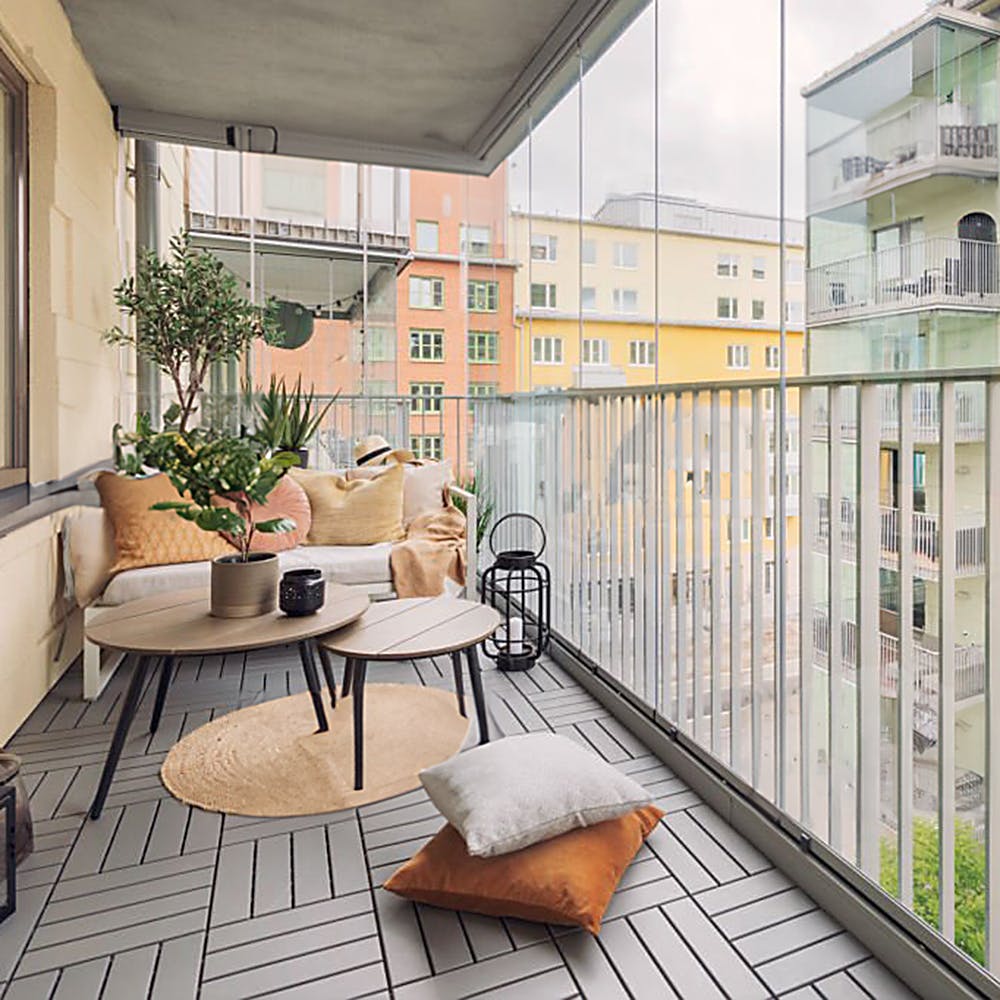
Imagine plucking a sun-ripened tomato, still warm from the sun, and enjoying its burst of flavor right on your own balcony. That dream is absolutely achievable, even if you don't have acres of land!
Growing tomatoes in containers is a fantastic way to enjoy fresh, homegrown goodness, even with limited space. Not only does it allow you to control the soil quality and sun exposure, but it also brings the joy of gardening to your doorstep. Plus, a vibrant tomato plant overflowing with fruit makes a stunning and delicious addition to any balcony or patio.
Want to give your tomato plants a little boost right away? Try adding a tablespoon of Epsom salts to the soil around your tomato plants every few weeks. The magnesium sulfate can help with nutrient absorption and promote bushier growth!
Choosing the Right Tomato Variety for Your Balcony
Not all tomatoes are created equal, especially when it comes to container gardening. Some varieties are naturally compact and well-suited for pots, while others can become sprawling monsters that quickly outgrow their space. Choosing the right type is the first step to balcony tomato success!
Here are a few excellent choices for growing tomatoes in pots: Determinate (Bush) Varieties: These tomatoes grow to a certain size and produce all their fruit at roughly the same time. They're generally more compact and ideal for smaller containers. Good examples include Roma, Celebrity, and Patio. Dwarf Varieties: As the name suggests, these are even smaller than determinate varieties, often reaching only a foot or two in height. They’re perfect for truly small spaces. Look for varieties like Tiny Tim, Venus, or Micro Tom. Compact Indeterminate Varieties:Indeterminate tomatoes continue to grow and produce fruit throughout the season. Some newer, more compact varieties are available, like 'Balcony Big Boy', bred specifically for container gardening.
Consider your personal preferences as well. Do you love juicy slicing tomatoes for sandwiches, or are you more interested in cherry tomatoes for salads? Match your variety choice to your taste!
Can I Grow Heirloom Tomatoes in Containers?
Absolutely! While some heirloom varieties can be quite large, there are definitely some that thrive in pots. Look for bushier heirloom varieties or those known to stay relatively compact. 'Amish Paste' is a good option, but be sure to provide a large enough container and adequate support.
Setting Up Your Balcony Tomato Garden
Now that you've chosen your tomato varieties, it's time to create the perfect growing environment. This involves selecting the right containers, soil, and location.
Container Size: This is crucial! A smaller tomato variety like Tiny Tim can thrive in a 5-gallon container, while a larger determinate or compact indeterminate might need 10-15 gallons. Ensure adequate drainage holes in the container bottom. Soil: Forget garden soil – it's too dense for containers and won't drain well. Instead, opt for a high-quality potting mix specifically formulated for vegetables. These mixes are typically a blend of peat moss, perlite, and vermiculite, providing excellent drainage and aeration. You can also amend the mix with compost for added nutrients. Location: Tomatoes need at least 6-8 hours of direct sunlight per day. Choose a spot on your balcony that receives plenty of sun exposure. Southern exposure is usually best, but east or west-facing balconies can also work if they get enough light. Support: Most tomato plants, even compact varieties, will benefit from some form of support. Cages or stakes can help prevent the plants from sprawling and keep the fruit off the ground. Install the support system when you first plant the tomato, to avoid disturbing the roots later.
What is the Best Soil for Tomatoes in Containers?
The best soil for tomatoes in containers is a well-draining potting mix specifically designed for vegetables. Avoid using garden soil, as it can become compacted in containers and hinder root growth. Look for mixes containing peat moss, perlite, and vermiculite.
Planting Your Tomato Seedlings
Once you've prepared your containers and soil, it's time to plant your tomato seedlings. You can either start your own seeds indoors or purchase seedlings from a local nursery.
When to Plant: In most regions, you can transplant tomato seedlings outdoors after the last frost. Check your local frost dates to determine the best time to plant. Planting Depth: Dig a hole that is slightly larger than the root ball of the seedling. When planting, remove the lower leaves of the tomato plant and bury the stem deeper than it was in the original container. Tomatoes can grow roots along their stems, leading to a stronger, healthier plant. Watering: Water the seedlings thoroughly after planting. Keep the soil consistently moist, but not waterlogged. Mulching: Add a layer of mulch around the base of the plants to help retain moisture and suppress weeds. Straw, shredded bark, or even dried leaves can be used as mulch.
How Deep Should I Plant My Tomato Seedlings in Containers?
Plant your tomato seedlings deeper than they were in their original containers, removing the lower leaves and burying the stem. This allows the plant to develop roots along the buried stem, creating a stronger and healthier root system.
Caring for Your Balcony Tomato Plants
Proper care is essential for ensuring a bountiful harvest. This includes watering, fertilizing, pruning, and pest control.
Watering: Tomatoes need consistent moisture, especially when they are actively growing and producing fruit. Water deeply and regularly, but avoid overwatering. A good rule of thumb is to water when the top inch of soil feels dry to the touch. Consider using a self-watering container or setting up a drip irrigation system to simplify watering. Fertilizing: Tomatoes are heavy feeders and require regular fertilization. Use a balanced fertilizer formulated for vegetables, following the instructions on the package. You can also supplement with organic fertilizers like compost tea or fish emulsion. Pruning: Pruning can help improve air circulation, encourage fruit production, and keep your plants manageable. Remove suckers (the shoots that grow between the main stem and branches) to focus the plant's energy on producing fruit. Pest and Disease Control: Keep an eye out for common tomato pests like aphids, whiteflies, and tomato hornworms. You can usually control these pests with insecticidal soap or neem oil. Prevent fungal diseases by providing good air circulation and avoiding overhead watering. Remove any diseased leaves promptly to prevent the spread of the disease.
How Often Should I Water Tomatoes in Pots?
Water your tomato plants when the top inch of soil feels dry to the touch. The frequency of watering will depend on the weather, the size of the container, and the variety of tomato. In hot, sunny weather, you may need to water daily, while in cooler weather, you may only need to water every few days.
Troubleshooting Common Tomato Problems
Even with the best care, you may encounter some challenges when growing tomatoes. Here are a few common problems and how to address them: Blossom End Rot: This is caused by a calcium deficiency, often due to inconsistent watering. Ensure consistent moisture levels and consider adding calcium to the soil. Sunscald: This occurs when tomatoes are exposed to excessive sunlight, causing white or yellow patches on the fruit. Provide some shade during the hottest part of the day. Cracking: This is often caused by rapid changes in moisture levels. Ensure consistent watering and avoid overwatering after a dry spell. Poor Fruit Set: This can be caused by temperature fluctuations, lack of pollination, or nutrient deficiencies. Ensure adequate pollination by gently shaking the plants, provide consistent watering and fertilization, and consider using a blossom set spray.
Why Are My Tomato Leaves Turning Yellow?
Yellowing tomato leaves can be caused by several factors, including nutrient deficiencies, overwatering, underwatering, or disease. Check the soil moisture, ensure adequate fertilization, and inspect the leaves for signs of pests or disease.
Harvesting and Enjoying Your Balcony Tomatoes
The moment you've been waiting for – harvesting your delicious, homegrown tomatoes! Tomatoes are typically ready to harvest when they are fully colored, slightly soft to the touch, and easily detach from the vine.
When to Harvest: The exact timing will depend on the variety of tomato and the weather conditions. How to Harvest: Gently twist the tomato from the vine, being careful not to damage the plant. Storing Tomatoes:Store ripe tomatoes at room temperature for the best flavor. Avoid refrigerating them, as this can affect their texture and taste.
Enjoy your tomatoes fresh in salads, sandwiches, sauces, or simply sliced with a sprinkle of salt and pepper. You can also preserve your harvest by canning, freezing, or drying your tomatoes.
How Long Do Tomatoes Take to Grow in Containers?
The time it takes for tomatoes to grow in containers varies depending on the variety. Cherry tomatoes may be ready to harvest in 55-65 days, while larger beefsteak tomatoes can take 75-85 days or longer. Check the seed packet or plant tag for specific information on the maturity time for your chosen variety.
Growing tomatoes on your balcony is a rewarding experience that brings fresh flavors and vibrant beauty to your outdoor space. Don't be afraid to experiment with different varieties, techniques, and fertilizers to find what works best for you. Each season is a learning opportunity, and the joy of biting into a sun-ripened, homegrown tomato is well worth the effort. So, get out there, get your hands dirty, and enjoy the delicious journey of growing your own tomatoes!
Post a Comment for "Balcony Gardening Growing Tomatoes in Containers"