Can a Tomato Plant Grow Successfully Indoors
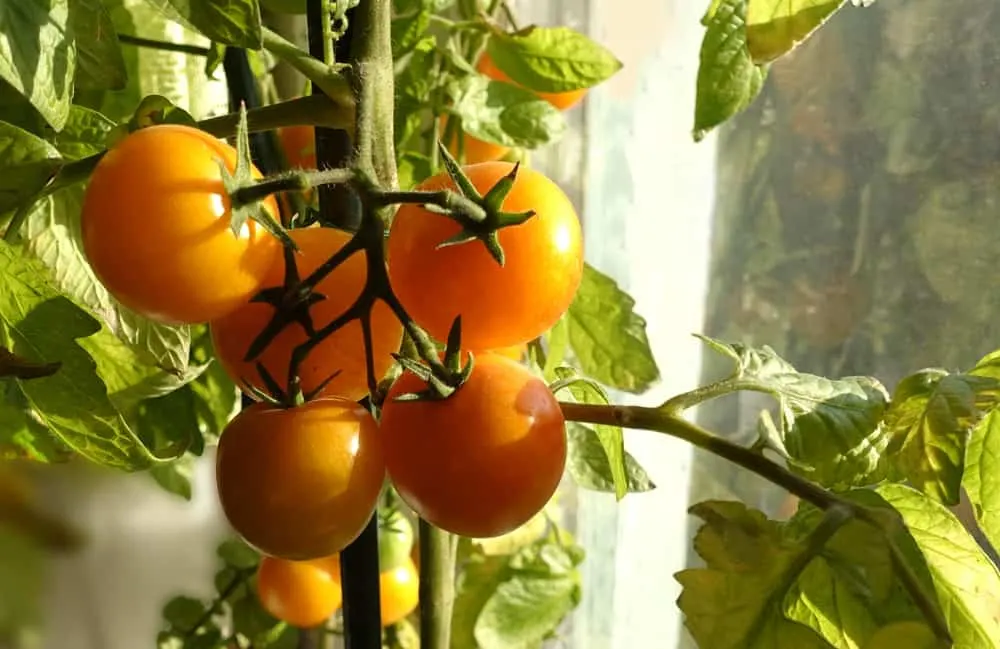
Imagine the taste of a sun-ripened tomato, bursting with flavor, even when there’s snow on the ground outside. Sounds like a dream, right? Well, it doesn't have to be! Growing tomatoes indoors is totally achievable, and with a little know-how, you can enjoy homegrown goodness year-round.
Why bother bringing your tomato plants inside? For starters, you get to extend your harvest and enjoy fresh tomatoes long after the outdoor growing season ends. Plus, indoor gardening is a great option for those with limited outdoor space or challenging climates. Think of it: vine-ripened deliciousness right on your kitchen counter!
Ready for a quick win? Try this: Rotate your indoor tomato plants a quarter turn every few days. This ensures even light exposure and helps prevent them from stretching awkwardly towards the window. Simple, but effective!
Can You Really Grow Tomatoes Indoors?
The short answer is: absolutely! But, let’s be real; it's not quite as simple as tossing some seeds in a pot and hoping for the best. Growing tomatoes indoors requires a bit of planning and attention to detail. You need to mimic the conditions they'd experience outdoors as closely as possible. Think about sunlight, temperature, pollination, and the right soil. With the right approach, you can cultivate a thriving indoor tomato garden.
Choosing the Right Tomato Variety for Indoors
Not all tomato varieties are created equal, especially when it comes to indoor growing. Smaller, bush-type varieties tend to perform best in containers and under artificial lighting. These are often called “determinate” varieties. Some great options include: Tiny Tim: As the name suggests, this is a super compact plant, perfect for small spaces. Tumbling Tom: Ideal for hanging baskets, producing cascades of sweet cherry tomatoes. Patio Princess: A classic choice for container gardening, offering good yields and disease resistance. Roma: While usually grown outdoors, a smaller Roma variety can do well indoors.
Avoid large, indeterminate (vining) varieties like Beefsteak or Big Boy. These require a lot more space, support, and light, making them challenging to manage indoors. If you are going to try to grow an indeterminate variety indoors, consider varieties like "Husky Cherry Red" or "Better Bush," which are bred to be more compact.
Setting Up Your Indoor Tomato Garden
Once you've chosen your variety, it's time to create the ideal growing environment. Here's what you need to consider:1. Light: Tomatoes need a LOT of light – at least 6-8 hours of direct sunlight per day. A south-facing window is ideal, but even then, you'll likely need to supplement with grow lights. LED grow lights are energy-efficient and provide the full spectrum of light that tomatoes need to thrive. Position the lights a few inches above the plants and adjust as they grow.
2. Soil: Use a high-quality potting mix specifically formulated for vegetables. Avoid garden soil, as it can compact and drain poorly in containers. Look for a mix that contains peat moss, perlite, and vermiculite for good drainage and aeration. Good drainage is crucial to prevent root rot.
3. Container: Choose a container that is at least 12 inches in diameter and depth for smaller varieties, and larger for bigger bush types. Make sure the container has drainage holes to prevent waterlogging. Terra cotta pots are a good option as they allow the soil to breathe.
4. Temperature: Tomatoes thrive in temperatures between 65°F and 80°F (18°C and 27°C). Avoid placing plants near drafty windows or heating vents.
5. Humidity: While tomatoes don't need extremely high humidity, they do benefit from some moisture in the air. You can increase humidity by misting the plants regularly or placing a tray of water near them.
Planting Your Tomato Seedlings
You can start your tomato seeds indoors 6-8 weeks before you want to transplant them into their final containers. Use seed-starting trays or small pots filled with seed-starting mix. Keep the soil consistently moist but not soggy. Once the seedlings have a few sets of true leaves, they're ready to be transplanted.
When transplanting, handle the seedlings carefully. Gently loosen the roots and plant them in their new containers, burying the stem up to the first set of leaves. This encourages the plant to develop more roots along the buried stem, leading to a stronger and healthier plant.
Caring for Your Indoor Tomato Plants
Consistent care is key to a successful indoor tomato harvest.
Watering: Water deeply whenever the top inch of soil feels dry to the touch. Avoid overwatering, as this can lead to root rot. Always water at the base of the plant to prevent fungal diseases.
Fertilizing: Tomatoes are heavy feeders and need regular fertilization. Use a balanced liquid fertilizer, diluted to half strength, every 2-3 weeks. Look for a fertilizer that is specifically formulated for tomatoes or vegetables.
Pollination: This is where indoor tomato growing can get a little tricky. Without bees or other pollinators, you'll need to hand-pollinate your plants. This is surprisingly easy! Simply use a small paintbrush or cotton swab to transfer pollen from one flower to another. You can also gently shake the plant to release pollen. Do this every day or two when the plants are flowering. Another option is to use an electric toothbrush. Hold the back of the toothbrush gently against the stem of the plant near the flowers to vibrate the pollen loose.
Pruning: Prune your tomato plants regularly to remove suckers (the small shoots that grow in the crotch between the main stem and the branches). This will help to improve air circulation and focus the plant's energy on producing fruit. Remove any yellowing or diseased leaves as well.
Support: Even bush-type tomatoes may need some support as they grow. Use small stakes or tomato cages to keep the plants upright and prevent the fruit from weighing them down.
Common Problems and Solutions
Even with the best care, you might encounter some challenges when growing tomatoes indoors. Here are a few common problems and how to address them: Leggy Growth: This is usually a sign of insufficient light. Provide more light with grow lights, and make sure the light is close enough to the plants. Lack of Fruit: This could be due to insufficient pollination, temperature fluctuations, or lack of nutrients. Hand-pollinate regularly, maintain a consistent temperature, and fertilize as needed. Pests: Aphids, whiteflies, and spider mites can sometimes infest indoor tomato plants. Inspect your plants regularly and treat any infestations with insecticidal soap or neem oil. Blossom End Rot: This is caused by a calcium deficiency. Ensure your soil is properly amended with calcium and maintain consistent watering.
How long do tomato plants take to grow?
From seed to harvest, expect a timeframe of 60-85 days, depending on the variety. Remember, indoor growing can sometimes be a little slower than outdoor growing due to potentially less intense light and other factors.
Can tomatoes grow indoors year-round?
Yes, absolutely! With the right grow lights and climate control, you can enjoy fresh tomatoes all year long. Succession planting (starting new seeds every few weeks) will help ensure a continuous harvest.
What are some tips for growing bigger tomatoes indoors?
To encourage bigger tomatoes, focus on providing optimal growing conditions. Ensure adequate light, proper watering and fertilization, and consistent temperatures. Pruning suckers will also help the plant focus its energy on producing larger fruit.
Growing tomatoes indoors is a rewarding experience that brings a taste of summer to your home, no matter the season. Don't be afraid to experiment with different varieties and techniques to find what works best for you. Each season brings new lessons and delicious rewards. Happy growing!
Post a Comment for "Can a Tomato Plant Grow Successfully Indoors"