Growing Heirloom Tomatoes A Complete Guide
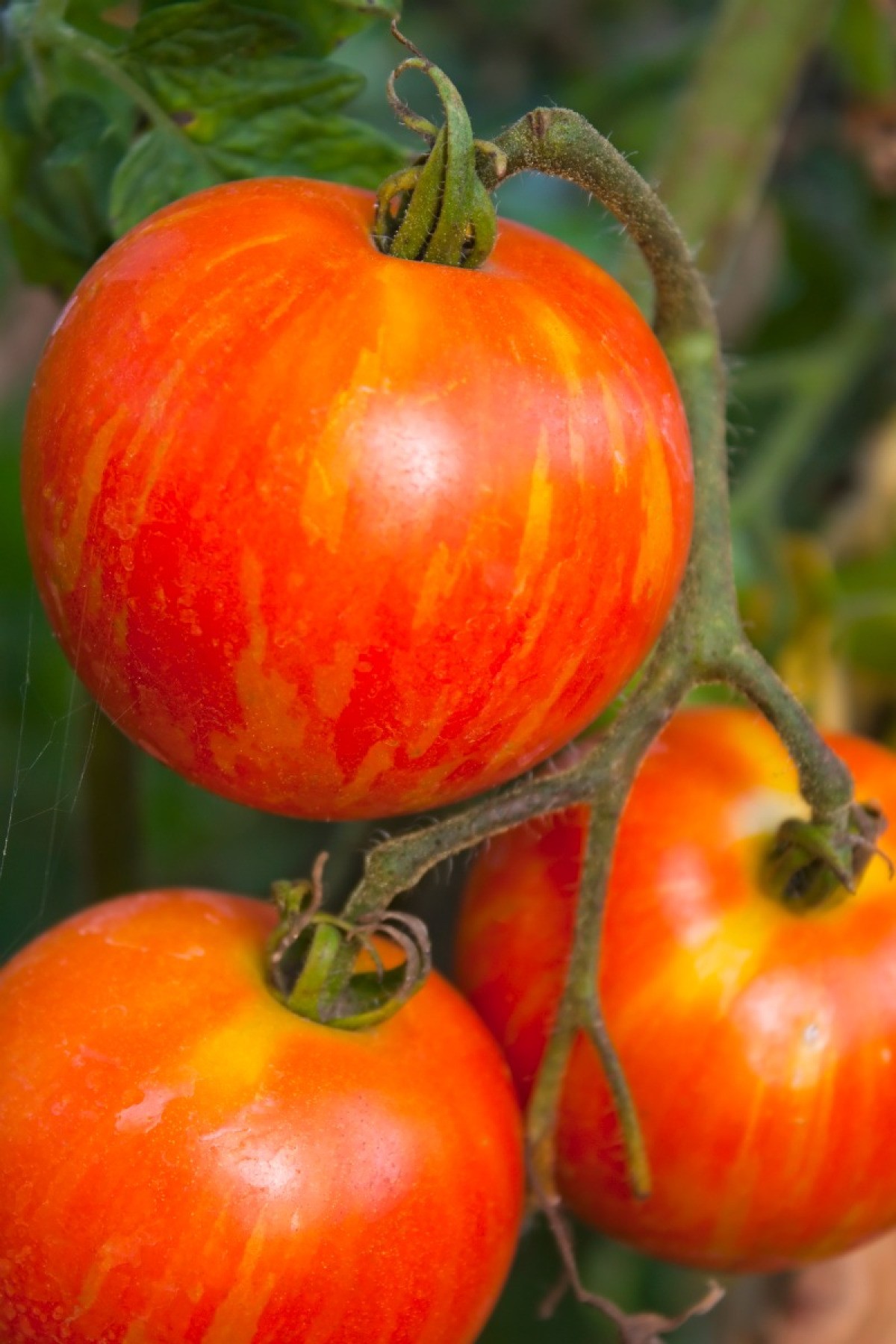
Imagine biting into a sun-ripened tomato, bursting with flavor, fresh from your own garden. That incredible taste isn't just a dream – it's achievable, even if you're a beginner gardener!
Growing tomatoes at home is one of the most rewarding experiences. Not only do you get to enjoy incredibly flavorful fruit that far surpasses anything you can buy in a store, but you also have complete control over what goes into your food. Whether you're limited to a small balcony, have a sprawling backyard, or dream of extending your growing season, mastering a few key techniques can transform your harvest.
Want to see an immediate improvement in your tomato plants? Start by consistently checking the moisture level of your soil. Tomatoes need consistent watering, especially when they're setting fruit. Stick your finger about an inch into the soil – if it feels dry, it's time to water!
Starting Your Tomato Journey
Successfully growing tomatoes starts with understanding their basic needs. Tomatoes are sun-loving plants, requiring at least 6-8 hours of direct sunlight per day. They also need well-drained soil that's rich in organic matter. Choosing the right variety for your climate and space is also crucial. Are you looking for juicy slicers, compact patio tomatoes, or something in between?
What are the easiest tomatoes to grow for beginners?
For beginners, determinate tomato varieties (bush tomatoes) are often easier to manage. They grow to a compact size, set all their fruit at once, and don't require as much pruning as indeterminate varieties. Some great choices include Roma, Celebrity, and Early Girl. Cherry tomatoes are also relatively easy and prolific!
Choosing the Right Soil for Tomatoes
The foundation of any successful tomato garden is healthy soil. Tomatoes thrive in slightly acidic soil with a p H between 6.0 and
6.8. The soil should be well-draining to prevent root rot, but also able to retain moisture.
You can amend your existing garden soil with compost, well-rotted manure, or other organic matter to improve its texture and fertility. If you're growing tomatoes in pots, choose a high-quality potting mix specifically formulated for vegetables. Avoid using garden soil in containers, as it can become compacted and doesn't drain well.
Adding slow-release fertilizer to your soil at planting time can also provide a steady supply of nutrients throughout the growing season. Look for a fertilizer with a balanced N-P-K ratio (nitrogen, phosphorus, potassium) or one specifically formulated for tomatoes.
Can I use coffee grounds in my tomato soil?
Yes, you can! Coffee grounds are a great source of nitrogen and can help to improve soil structure. However, don't use them excessively, as they can make the soil too acidic. Mix them into your compost pile or sprinkle them lightly around the base of your tomato plants.
Growing Tomatoes in Pots: A Guide to Container Gardening
Don't have a garden? No problem! Growing tomatoes in pots is a fantastic way to enjoy fresh tomatoes even with limited space.
Choose the right pot: Select a pot that's at least 20 inches in diameter and depth for most tomato varieties. Dwarf or patio varieties can thrive in smaller pots. Ensure the pot has drainage holes to prevent waterlogging. Use a quality potting mix: As mentioned before, avoid using garden soil in containers. Use a well-draining potting mix that's specifically formulated for vegetables. Provide adequate sunlight: Place your tomato pots in a location that receives at least 6-8 hours of direct sunlight per day. Water regularly: Container-grown tomatoes tend to dry out faster than those grown in the ground. Check the soil moisture daily and water when the top inch feels dry. Fertilize regularly: Container-grown tomatoes need regular fertilization because nutrients leach out with watering. Use a liquid fertilizer every 2-3 weeks, following the instructions on the label. Provide support: Most tomato varieties need support, such as a stake or tomato cage, to prevent them from falling over under the weight of their fruit.
What are the best tomato varieties for pots?
Compact and bush-type varieties are ideal for container gardening. Some excellent choices include: Patio Tomato: A classic choice for containers, producing abundant red tomatoes. Roma: A determinate variety perfect for making sauces and pastes. Tumbling Tom: A trailing variety that looks beautiful in hanging baskets. Tiny Tim: A super-compact variety that's perfect for small spaces. Micro Tom:The smallest tomato variety, ideal for growing indoors on a windowsill.
Watering and Fertilizing Tomatoes for Optimal Growth
Consistent watering and proper fertilization are crucial for healthy tomato plants and a bountiful harvest.
Watering: Water deeply and regularly, especially during hot weather. Aim to keep the soil consistently moist but not waterlogged. Water at the base of the plant to avoid wetting the foliage, which can lead to fungal diseases. Mulching around the base of the plant can help to retain moisture and suppress weeds. Fertilizing: Tomatoes are heavy feeders and need regular fertilization to thrive. Use a balanced fertilizer at planting time and then switch to a fertilizer with a higher phosphorus and potassium content as the plants begin to set fruit. Follow the instructions on the fertilizer label carefully. Avoid over-fertilizing, as this can lead to excessive foliage growth at the expense of fruit production.
How often should I water my tomatoes?
The frequency of watering depends on factors such as the weather, soil type, and the size of the plant. As a general rule, water deeply when the top inch of soil feels dry. During hot, dry weather, you may need to water daily.
Pruning Tomatoes: Maximizing Yield and Preventing Disease
Pruning tomatoes can seem daunting, but it's an important practice for maximizing yield and preventing disease, especially for indeterminate varieties.
Indeterminate tomatoes: These varieties continue to grow throughout the season and produce fruit continuously. They require regular pruning to remove suckers (small shoots that grow in the angle between the main stem and a branch). Removing suckers directs the plant's energy into fruit production and improves air circulation, reducing the risk of disease. Determinate tomatoes: These varieties grow to a fixed size and set all their fruit at once. They require minimal pruning. Simply remove any dead or yellowing leaves to improve air circulation.
To prune indeterminate tomatoes, identify the suckers and pinch them off with your fingers or snip them off with pruning shears. It's best to prune early in the morning when the plants are dry.
What happens if I don't prune my tomato plants?
If you don't prune indeterminate tomato plants, they will become overgrown and produce a lot of foliage but less fruit. The dense foliage can also trap moisture, creating a breeding ground for fungal diseases.
Dealing with Common Tomato Pests and Diseases
Tomatoes are susceptible to various pests and diseases. Being proactive and taking preventative measures can help you avoid major problems.
Pests: Common tomato pests include aphids, whiteflies, tomato hornworms, and spider mites. You can control these pests with organic methods such as handpicking, insecticidal soap, or neem oil. Diseases: Common tomato diseases include early blight, late blight, Septoria leaf spot, and blossom end rot. Preventative measures include providing good air circulation, watering at the base of the plant, and using disease-resistant varieties. If you spot signs of disease, remove the affected leaves or plants immediately.
What causes blossom end rot in tomatoes?
Blossom end rot is a physiological disorder caused by a calcium deficiency in the developing fruit. It's often caused by inconsistent watering, which prevents the plant from absorbing calcium properly. To prevent blossom end rot, ensure consistent watering, amend your soil with calcium-rich amendments like bone meal or crushed eggshells, and use a fertilizer that contains calcium.
Harvesting and Storing Your Homegrown Tomatoes
Harvesting your tomatoes at the peak of ripeness is essential for enjoying their full flavor.
Tomatoes are typically ready to harvest when they are fully colored, slightly soft to the touch, and easily detach from the vine. Gently twist the tomato to detach it. Avoid pulling, as this can damage the plant.
Store your harvested tomatoes at room temperature, away from direct sunlight. Refrigerating tomatoes can diminish their flavor and texture. If you have an abundance of tomatoes, you can preserve them by canning, freezing, or drying.
How long do tomatoes take to grow?
The time it takes for tomatoes to grow depends on the variety and the growing conditions. Generally, it takes 60-85 days from transplanting to harvest. Cherry tomatoes typically mature faster than larger slicing tomatoes.
Growing your own tomatoes is a rewarding experience that connects you with nature and provides you with incredibly flavorful and nutritious food. Don’t be afraid to experiment with different varieties, techniques, and soil amendments to find what works best for you. Every season brings new learning opportunities, and with a little care and attention, you'll be harvesting delicious homegrown tomatoes in no time!
Post a Comment for "Growing Heirloom Tomatoes A Complete Guide"