How to Grow Tomatoes from Seeds Indoors
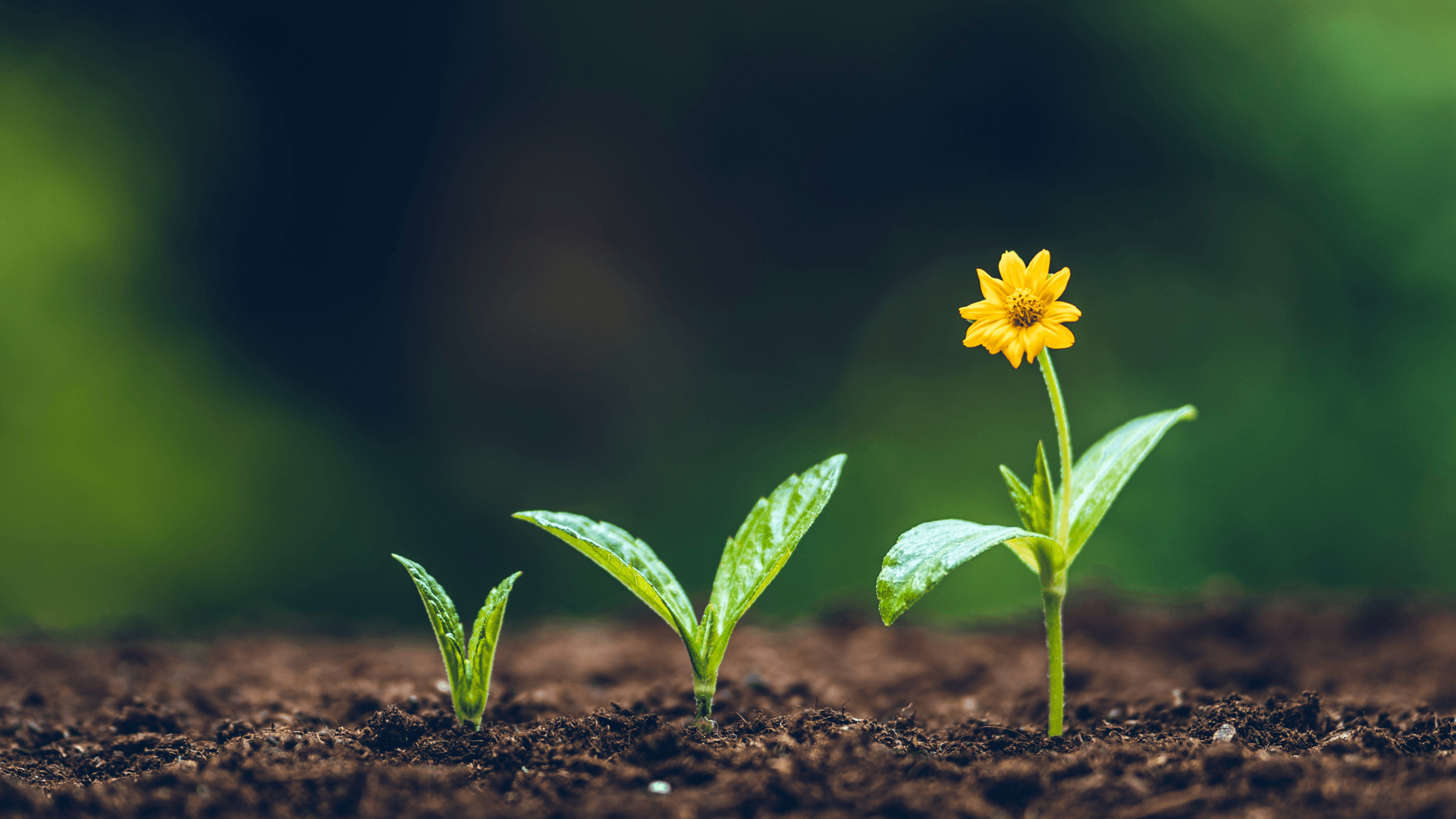
Imagine biting into a sun-warm, juicy tomato you grew yourself – the kind that bursts with flavor unlike anything you find in the store. Growing tomatoes from seeds indoors lets you experience that unmatched taste, regardless of the weather outside!
Starting your tomato plants indoors gives you a head start on the growing season. It allows you to nurture strong, healthy seedlings that will reward you with an abundant harvest. Plus, you get to choose from a wider variety of tomatoes – including heirloom and unique cultivars that aren't typically available as transplants.
Ready to dive in? Here’s a quick tip: before you even think about soil, make sure you have a good grow light. Seedlings need strong, consistent light to prevent them from becoming leggy and weak. A simple shop light with fluorescent bulbs works wonders!
Getting Started: Choosing the Right Seeds and Supplies
The first step to a successful indoor tomato garden is selecting the right seeds. Consider what kind of tomatoes you love to eat and how much space you have.
Determinate varieties are bush-type tomatoes that grow to a specific size and produce their fruit all at once, making them ideal for containers and smaller spaces. Indeterminate varieties continue to grow and produce fruit throughout the season, requiring staking or caging to support their sprawling vines.
Once you've chosen your seeds, gather these essential supplies: Seed starting trays or small pots: Individual cells help prevent root disturbance when transplanting. Seed starting mix: This soil-less mix is lightweight and sterile, providing the perfect environment for germination. Grow lights: Essential for providing adequate light for healthy seedling development. Heat mat (optional): Provides consistent bottom heat to speed up germination. Spray bottle: For gently watering your seedlings. Water-soluble fertilizer: To nourish your seedlings once they develop their first true leaves.
When should I start my tomato seeds indoors?
Generally, you should start your tomato seeds indoors 6-8 weeks before the last expected frost date in your area. This gives the seedlings enough time to develop a strong root system before being transplanted outdoors. Check your local weather data to determine the average last frost date for your region.
Sowing Your Seeds: A Step-by-Step Guide
Now for the fun part: planting your tomato seeds!
1.Moisten the seed starting mix: Add water to the mix until it's evenly moist but not soggy.
2.Fill the trays or pots: Gently fill each cell or pot with the moistened seed starting mix.
3.Sow the seeds: Plant 2-3 seeds per cell or pot, about ¼ inch deep.
4.Cover the seeds: Lightly cover the seeds with the seed starting mix.
5.Water gently: Use a spray bottle to gently moisten the surface of the soil.
6.Provide warmth: Place the trays or pots on a heat mat (if using) and cover them with a clear plastic dome or plastic wrap to create a humid environment.
7.Provide light: Place under grow lights, ensuring they are a few inches above the soil surface.
How long do tomato seeds take to germinate?
Tomato seeds typically germinate in 5-10 days when kept at a temperature between 70-80°F (21-27°C). Using a heat mat can help maintain this optimal temperature. Once the seedlings emerge, remove the plastic dome and lower the grow lights to within a few inches of the plants.
Nurturing Your Seedlings: Light, Water, and Nutrients
Once your tomato seedlings emerge, they need consistent care to thrive.
Light: Provide at least 14-16 hours of light per day using grow lights. As the seedlings grow, adjust the height of the lights to keep them a few inches above the plants. If you see the seedlings stretching towards the light, they need more light. Watering: Water gently whenever the top of the soil feels dry to the touch. Avoid overwatering, which can lead to damping-off, a fungal disease that can kill young seedlings. Fertilizing:Once the seedlings develop their first true leaves (the second set of leaves that appear after the initial seed leaves), start feeding them with a diluted water-soluble fertilizer every 1-2 weeks. Follow the instructions on the fertilizer label for the correct dilution rate.
What is "Leggy" and how do I avoid it?
"Leggy" seedlings are tall and spindly with long stems and few leaves. This typically happens when seedlings don't get enough light. The plants stretch towards the light source, resulting in weak and fragile growth.
To prevent leggy seedlings: Provide adequate light: Use strong grow lights and keep them close to the seedlings. Avoid overcrowding: Give your seedlings enough space to grow. Consider "potting up":If your seedlings do become leggy, you can bury the stem deeper when you transplant them into larger pots. The buried stem will develop roots, making the plant stronger.
Potting Up: Giving Your Seedlings More Room to Grow
As your tomato seedlings grow, they'll need more space for their roots to develop. This is where "potting up" comes in.
1.Choose larger pots: Select pots that are 3-4 inches in diameter.
2.Prepare the potting mix: Use a high-quality potting mix that is well-draining and rich in nutrients.
3.Gently remove the seedlings: Carefully remove the seedlings from their original trays or pots, being careful not to damage the roots.
4.Transplant the seedlings: Place each seedling in a larger pot, filling the pot with potting mix. Bury the stem deeper than it was before, up to the first set of leaves. This will encourage the plant to develop a stronger root system.
5.Water thoroughly: Water the transplanted seedlings thoroughly and place them back under the grow lights.
Hardening Off: Preparing Your Seedlings for the Outdoors
Before transplanting your tomato seedlings outdoors, you need to "harden them off." This process gradually acclimates the plants to outdoor conditions, preventing transplant shock.
1.Start slowly: Begin by placing your seedlings outdoors in a sheltered location for just a few hours each day, gradually increasing the amount of time they spend outside.
2.Protect from the elements: Shield the seedlings from direct sunlight, strong winds, and cold temperatures.
3.Monitor the weather: Avoid hardening off your seedlings on days with extreme weather conditions.
4.Water regularly: Water the seedlings regularly during the hardening-off process, as they will dry out more quickly outdoors.
After about a week or two of hardening off, your tomato seedlings should be ready to be transplanted into your garden or containers.
Can tomatoes grow indoors year-round?
Yes, tomatoes can be grown indoors year-round, but it requires providing them with the right conditions. This includes strong grow lights (14-16 hours a day), consistent watering and fertilization, and proper pollination (you may need to hand-pollinate the flowers). Choose compact or dwarf varieties that are well-suited for container growing.
Transplanting and Caring for Your Outdoor Tomato Plants
Once the danger of frost has passed and your tomato seedlings are hardened off, it's time to transplant them into your garden or containers.
1.Choose a sunny location: Tomatoes need at least 6-8 hours of sunlight per day.
2.Prepare the soil: Amend the soil with compost or other organic matter to improve drainage and fertility.
3.Dig a hole: Dig a hole that is large enough to accommodate the root ball of the seedling.
4.Transplant the seedling: Gently remove the seedling from its pot and place it in the hole.
5.Backfill with soil: Fill the hole with soil, gently firming it around the base of the plant.
6.Water thoroughly: Water the transplanted seedling thoroughly.
7.Provide support: If you are growing indeterminate varieties, provide support with stakes or cages.
Tips for growing bigger tomatoes
Consistent watering: Tomatoes need consistent watering, especially during fruit development. Water deeply and regularly, avoiding overhead watering, which can lead to fungal diseases. Fertilization: Feed your tomato plants regularly with a fertilizer that is high in phosphorus and potassium, which promote fruit production. Pruning: Prune suckers (the shoots that grow between the main stem and the branches) to improve airflow and encourage larger fruit. Sunlight: Ensure your tomato plants get at least 6-8 hours of direct sunlight per day. Mulching:Apply a layer of mulch around the base of the plants to help retain moisture, suppress weeds, and regulate soil temperature.
With a little patience and care, you can enjoy a bountiful harvest of homegrown tomatoes. Remember, every season is a learning experience, so don’t be afraid to experiment with different varieties, techniques, and fertilizers to find what works best for you and your garden. Happy growing!
Post a Comment for "How to Grow Tomatoes from Seeds Indoors"