Using Epsom Salt for Growing Tomatoes Effectively
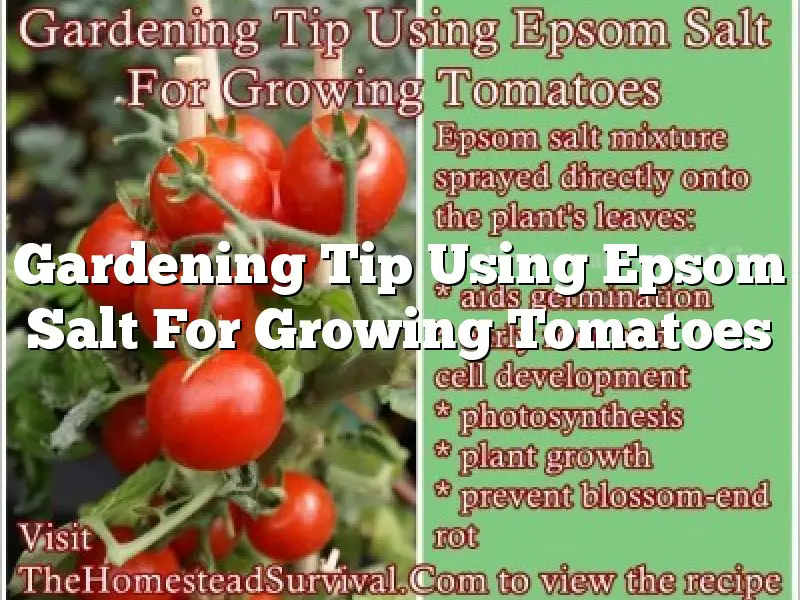
Want to bite into a juicy, sun-ripened tomato straight from your own backyard? Growing tomatoes is one of the most rewarding experiences for any gardener, whether you're a seasoned pro or just starting out. But let's face it, getting those plump, flavorful fruits can sometimes feel like a challenge.
That’s where Epsom salt comes in! It’s been touted as a secret weapon for tomato growers for generations. Think of it as a natural boost that can help your plants thrive, leading to bigger yields and tastier tomatoes. Whether you’re dreaming of a summer filled with homemade salsa or delicious Caprese salads, understanding how to use Epsom salt effectively can make all the difference.
Ready to give your tomato plants a little love? Try this quick tip: when you plant your tomato seedlings, sprinkle about a tablespoon of Epsom salt into the planting hole before you put the plant in. This will give them an early boost of magnesium, which is crucial for healthy growth.
What is Epsom Salt, and Why Is It Good for Tomatoes?
Epsom salt isn't actually salt at all! It's a naturally occurring mineral compound made up of magnesium sulfate (Mg SO4). The magic lies in these two key elements: magnesium and sulfur.
Magnesium: This is the superstar for tomato growth. Magnesium plays a vital role in photosynthesis, the process where plants convert sunlight into energy. It also helps plants absorb other essential nutrients, like nitrogen and phosphorus. A magnesium deficiency can lead to yellowing leaves and stunted growth, meaning fewer tomatoes for you. Sulfur: Sulfur is also essential for plant health. It contributes to the formation of chlorophyll, which is responsible for the green pigment in plants and is crucial for photosynthesis. Sulfur also aids in the uptake of nitrogen, another key nutrient for tomato growth.
Think of magnesium and sulfur as the dynamic duo that keeps your tomato plants happy and productive. By providing these essential elements, Epsom salt can help your plants grow stronger, resist diseases, and produce more delicious tomatoes.
How do I know if my tomato plants need Epsom salt?
Keep an eye out for telltale signs of magnesium deficiency. Yellowing leaves, especially between the veins of older leaves, is a common indicator. Stunted growth, weak stems, and a lack of fruit production can also signal a deficiency. A soil test is the most accurate way to determine if your soil is lacking magnesium, but these visual cues can be a good starting point.
Does Epsom salt work on all types of tomatoes?
Yes! Epsom salt can be beneficial for all types of tomatoes, from cherry tomatoes to beefsteak varieties. The need for Epsom salt depends more on the soil conditions than the specific tomato variety. If your soil is deficient in magnesium, all tomato plants will benefit from the supplement.
How to Use Epsom Salt for Tomato Plants: A Step-by-Step Guide
Now that you know why Epsom salt is beneficial, let's get down to the how-to. There are a few different ways to use Epsom salt for your tomato plants, and the best method depends on your needs and preferences.
1. At Planting Time
This is a great way to give your tomato plants a head start.
Step 1: Dig your planting hole, making sure it's wide and deep enough to accommodate the tomato seedling's root ball. Step 2: Sprinkle about a tablespoon of Epsom salt into the bottom of the hole. Step 3: Cover the Epsom salt with a thin layer of soil to prevent it from directly contacting the roots. Step 4: Place the tomato seedling in the hole and fill it with soil. Step 5:Water thoroughly.
2. As a Soil Drench
This method is ideal for addressing existing magnesium deficiencies or for providing a regular boost during the growing season.
Step 1: Mix 1 tablespoon of Epsom salt per gallon of water. Step 2: Water your tomato plants with this solution every 2-4 weeks. Be sure to soak the soil around the base of the plant.
3. As a Foliar Spray
This method allows for rapid absorption of magnesium through the leaves. It's particularly useful if you notice signs of deficiency and need to act quickly.
Step 1: Mix 1-2 tablespoons of Epsom salt per gallon of water. Use a spray bottle to mist the foliage of your tomato plants. Step 2: Spray early in the morning or late in the evening to avoid leaf burn from the sun. Step 3:Repeat every 2 weeks as needed.
Important Considerations
Don't overdo it! Too much Epsom salt can be detrimental to your plants. Stick to the recommended dosages. Test your soil. A soil test will give you a clear picture of your soil's nutrient levels and help you determine if Epsom salt is truly needed. Consider your fertilizer. Some fertilizers already contain magnesium, so you may not need to supplement with Epsom salt. Observe your plants. Pay attention to how your tomato plants respond to Epsom salt. If you notice any negative effects, discontinue use.
Can I use Epsom salt in hydroponic tomato systems?
Yes, you can use Epsom salt in hydroponic systems to provide magnesium and sulfur. However, the concentration needs to be carefully monitored. Start with a very small amount (e.g., 1/4 teaspoon per gallon of water) and adjust based on the specific needs of your hydroponic system and the tomato variety you are growing. Regular monitoring of the nutrient solution's p H and electrical conductivity (EC) is crucial.
Is Epsom salt safe for the environment?
Epsom salt is generally considered safe for the environment when used appropriately. It's a naturally occurring mineral compound and doesn't contain harmful chemicals. However, overuse can potentially disrupt the soil's nutrient balance and affect other plants in the area. Always use Epsom salt as directed and avoid excessive application.
Beyond Epsom Salt: Other Tips for Growing Big, Beautiful Tomatoes
While Epsom salt can give your tomato plants a boost, it's just one piece of the puzzle. Here are some other essential tips for growing healthy, productive tomatoes: Choose the Right Variety: Select tomato varieties that are well-suited to your climate and growing conditions. Consider factors like disease resistance, size, and flavor. Start with Healthy Seedlings: Whether you start your own seeds or purchase seedlings from a nursery, make sure they are strong, healthy, and free from disease. Provide Plenty of Sunlight: Tomatoes need at least 6-8 hours of direct sunlight per day. Choose a sunny location in your garden. Use Well-Draining Soil: Tomatoes thrive in well-draining soil that is rich in organic matter. Amend your soil with compost or other organic materials to improve drainage and fertility. Water Regularly: Water your tomato plants deeply and consistently, especially during hot, dry weather. Avoid overhead watering, which can promote disease. Fertilize Properly: Use a balanced fertilizer that is specifically formulated for tomatoes. Follow the instructions on the fertilizer package carefully. Provide Support: Tomato plants, especially indeterminate varieties, need support to prevent them from sprawling on the ground. Use stakes, cages, or trellises to support your plants. Prune Your Plants: Pruning can help improve air circulation, reduce disease, and promote fruit production. Remove suckers (the small shoots that grow between the main stem and branches) regularly. Protect from Pests and Diseases: Monitor your tomato plants regularly for signs of pests and diseases. Take action quickly to prevent problems from spreading. Harvest at the Right Time: Pick your tomatoes when they are fully ripe and have reached their mature color. Gently twist the fruit from the vine, leaving the stem attached.
What is the best soil for tomatoes in pots?
When growing tomatoes in pots, use a high-quality potting mix that is specifically formulated for containers. Avoid using garden soil, as it can become compacted in pots and restrict drainage. Look for a potting mix that contains ingredients like peat moss, perlite, and vermiculite to provide good drainage, aeration, and moisture retention. You can also add compost to the potting mix to boost its fertility.
How long do tomatoes take to grow?
The time it takes for tomatoes to grow from seed to harvest varies depending on the variety and growing conditions. Generally, it takes about 60-85 days from transplanting seedlings into the garden to harvest ripe tomatoes. Cherry tomatoes tend to ripen earlier than larger varieties like beefsteak tomatoes. Factors like sunlight, temperature, and watering can also affect the ripening time.
Ready to Grow Your Best Tomatoes Ever?
Growing tomatoes is a journey of learning and experimentation. Don't be afraid to try new things, observe your plants closely, and adapt your approach as needed. With a little knowledge, some Epsom salt, and a lot of love, you can enjoy a bountiful harvest of delicious, homegrown tomatoes. Get your hands dirty, have fun, and savor the taste of success!
Post a Comment for "Using Epsom Salt for Growing Tomatoes Effectively"