Where Do Tomatoes Grow Best Climate and Soil Guide
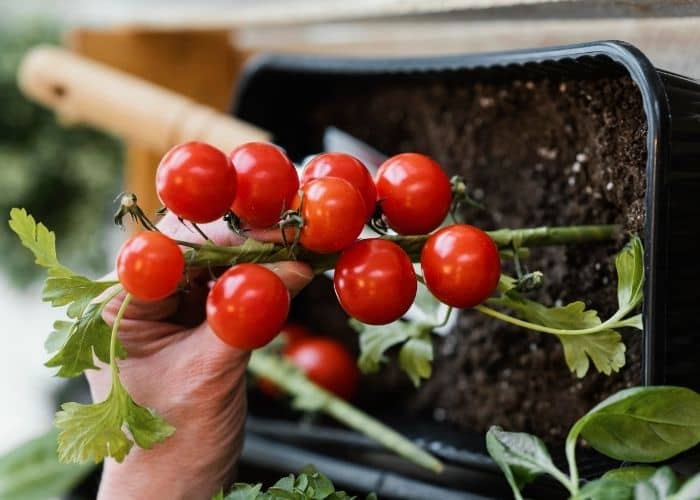
Imagine biting into a sun-ripened tomato, bursting with flavor, fresh from your own backyard. That’s the dream of every home gardener, and it’s absolutely achievable, even if you’re just starting out! Understanding where tomatoes thrive is the first step to making that delicious dream a reality.
Why is climate and soil so crucial for tomatoes? Because it directly impacts everything from the size of your harvest to the intensity of the tomato's flavor. Getting these elements right means more tomatoes, less disease, and a taste that far surpasses anything you’ll find in a grocery store. Plus, knowing your climate allows you to choose the right tomato varieties, saving you time and frustration.
Here's a quick tip: Before you even think about planting, research your local average last frost date. Knowing this date will help you determine when it's safe to transplant your tomato seedlings outdoors.
The Ideal Climate for Tomato Growing
Tomatoes are sun-loving plants that crave warmth. Originating in South America, they're accustomed to long, sunny days and consistent temperatures. Replicating these conditions as closely as possible is key to success.
Temperature: The Goldilocks Zone
Tomatoes flourish in temperatures between 70°F and 85°F (21°C and 29°C). They can tolerate slightly higher temperatures with adequate watering and shade, but growth slows significantly outside this range. Nighttime temperatures are also critical. Ideally, they should stay above 55°F (13°C). Colder temperatures can stunt growth, delay fruit production, and even damage the plants.
Too Hot: When temperatures consistently exceed 90°F (32°C), blossoms can drop, preventing fruit from setting. The plant will also prioritize survival over fruit production. Too Cold: Temperatures below 50°F (10°C) can damage or kill tomato plants. Even short periods of cold can lead to stunted growth and poor fruit quality.
Sunlight: Basking in the Rays
Tomatoes need at least six to eight hours of direct sunlight per day to produce a bountiful harvest. The more sunlight, the better. Insufficient sunlight results in leggy plants, reduced flowering, and smaller, less flavorful fruit.
Finding the Sun: Observe your garden throughout the day to identify the spots that receive the most sunlight. Choose these locations for your tomato plants. Artificial Light: If you're starting seeds indoors or growing tomatoes in a greenhouse, supplement natural light with grow lights to ensure adequate exposure.
Humidity: Finding the Balance
Tomatoes prefer moderate humidity levels. High humidity can promote fungal diseases, while low humidity can lead to blossom end rot. Aim for humidity levels between 40% and 70%.
Improving Air Circulation: Space your tomato plants adequately to allow for good air circulation, which helps reduce humidity around the plants. Watering Wisely: Water at the base of the plants to avoid wetting the foliage, which can create a humid environment and encourage disease.
The Best Soil for Tomatoes: A Recipe for Success
Healthy soil is the foundation of a successful tomato garden. Tomatoes need well-draining, nutrient-rich soil to thrive.
Soil Type: Loam is the Lover
The ideal soil for tomatoes is loamy – a balanced mix of sand, silt, and clay. This type of soil provides good drainage while retaining enough moisture and nutrients.
Testing Your Soil: Conduct a soil test to determine its p H and nutrient levels. You can purchase a soil testing kit at your local garden center or send a sample to a lab for more detailed analysis. Improving Soil Structure: Amend heavy clay soil with organic matter like compost, aged manure, or peat moss to improve drainage. Add organic matter to sandy soil to help it retain moisture and nutrients.
p H Levels: The Sweet Spot
Tomatoes prefer a slightly acidic soil p H between 6.0 and
6.8. This range allows them to efficiently absorb essential nutrients from the soil.
Adjusting p H: If your soil p H is too high (alkaline), amend it with sulfur or acidifying fertilizer. If it's too low (acidic), add lime. Always follow the instructions on the product label.
Nutrients: Feeding Your Tomatoes
Tomatoes are heavy feeders, meaning they require a lot of nutrients to produce a good crop. The three primary nutrients are nitrogen (N), phosphorus (P), and potassium (K).
Nitrogen (N): Promotes leafy growth. Too much nitrogen can result in lush foliage but few fruits. Phosphorus (P): Supports root development, flowering, and fruit production. Potassium (K):Enhances disease resistance and fruit quality.
Use a balanced fertilizer specifically formulated for tomatoes. Look for a fertilizer with an NPK ratio of 5-10-5 or 6-24-24. Amend the soil with compost or other organic matter, which releases nutrients slowly over time.
Preparing the Soil: Setting the Stage
Before planting, prepare the soil by removing weeds, rocks, and debris. Dig a hole that is twice as wide and as deep as the tomato seedling's root ball. Mix compost or other organic matter into the soil you removed from the hole. Gently loosen the roots of the seedling and place it in the hole. Backfill the hole with the amended soil and water thoroughly.
Growing Tomatoes in Pots: Container Gardening Success
Even if you don't have a traditional garden, you can still grow delicious tomatoes in containers. Choose large pots that are at least 20 inches in diameter and depth. Use a high-quality potting mix that drains well.
Choosing the Right Variety: Select determinate or bush varieties that are compact and well-suited for container gardening. Popular choices include Roma, Celebrity, and Patio. Providing Support: Provide a stake or cage to support the tomato plant as it grows. Watering and Fertilizing:Container-grown tomatoes tend to dry out more quickly than those grown in the ground, so water them regularly. Fertilize every two weeks with a liquid fertilizer.
Can tomatoes grow indoors year-round?
Yes, with the right conditions, tomatoes can be grown indoors year-round. You'll need to provide adequate light (either natural or artificial), maintain consistent temperatures, and ensure proper pollination. Dwarf or compact varieties are often the best choice for indoor gardening.
Tips for Growing Bigger Tomatoes
Want to grow truly impressive, prize-winning tomatoes? Here are a few tips to help you achieve that goal: Pruning: Remove suckers (the small shoots that grow between the main stem and the branches) to encourage the plant to focus its energy on fruit production. Watering: Water deeply and consistently, especially during hot, dry weather. Avoid overhead watering, which can promote fungal diseases. Mulching: Apply a layer of mulch around the base of the plants to help retain moisture, suppress weeds, and regulate soil temperature. Pollination: Gently shake the tomato plants or use a small brush to transfer pollen from one flower to another. This is especially important for indoor-grown tomatoes. Blossom End Rot Prevention: Make sure your tomato plants receive consistent moisture and calcium. Amend the soil with bone meal or add a calcium supplement to the fertilizer. Pest Control: Regularly inspect your tomato plants for pests such as aphids, whiteflies, and tomato hornworms. Use insecticidal soap or other appropriate treatments to control infestations. Harvesting:Pick tomatoes when they are fully colored and slightly soft to the touch. The fruit should easily detach from the vine.
How long do tomato plants take to grow?
The time it takes for tomato plants to grow and produce fruit varies depending on the variety and growing conditions. Generally, it takes 60 to 85 days from transplanting seedlings to harvesting ripe tomatoes.
What are the signs of overwatering tomatoes?
Signs of overwatering include yellowing leaves, wilting (even when the soil is wet), and the development of root rot. The fruit may also crack or develop a watery taste. Ensure proper drainage and allow the soil to dry out slightly between waterings.
How often should I fertilize my tomato plants?
Fertilize tomato plants every two to three weeks with a balanced tomato fertilizer, starting after the first fruits set. Follow the instructions on the fertilizer label for proper application rates. Avoid over-fertilizing, as this can lead to excessive foliage growth and reduced fruit production.
The Joy of Tomato Gardening
Growing your own tomatoes is a rewarding experience that connects you with nature and provides you with delicious, homegrown produce. Don’t be afraid to experiment with different varieties, techniques, and growing methods to find what works best for you. Every season is a learning opportunity, and even experienced gardeners encounter challenges. The key is to keep learning, keep experimenting, and keep enjoying the process! Happy gardening!
Post a Comment for "Where Do Tomatoes Grow Best Climate and Soil Guide"