Indoor Tomato Plants Do They Really Bear Fruit
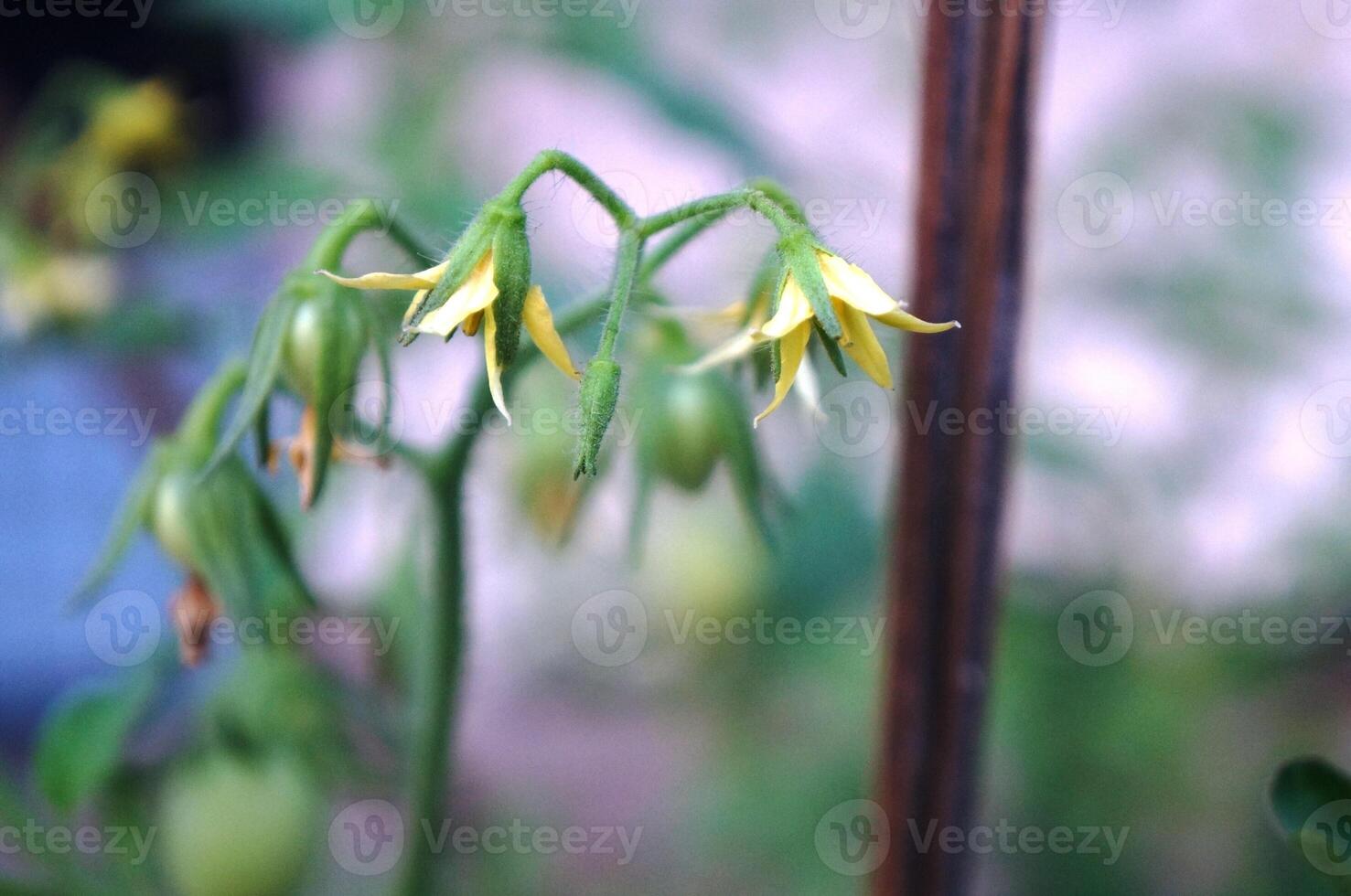
Imagine plucking a sun-ripened, juicy tomato straight from a vine, even when there’s snow on the ground outside. Sounds like a dream, right? Well, it doesn't have to be. Growing tomatoes indoors is more achievable than you might think.
The joy of having fresh, flavorful tomatoes at your fingertips year-round is a huge motivator for many home gardeners. Whether you're limited on outdoor space, battling unpredictable weather, or simply craving that homegrown taste in the dead of winter, indoor tomato growing offers a fantastic solution. Plus, there's something incredibly rewarding about nurturing a plant from seed to fruit right inside your home.
Ready to get started? A super simple trick that can boost your indoor tomato success is hand-pollinating your plants. Gently use a small brush or even just your finger to transfer pollen from flower to flower. This helps ensure fruit set, especially since you won’t have bees buzzing around indoors!
Indoor Tomato Plants: Do They Really Bear Fruit?
Yes, absolutely! While it might seem like a challenge, indoor tomato plants can and do bear fruit. The key lies in understanding their needs and providing the right environment. With the right care and a little know-how, you can enjoy homegrown tomatoes even without a traditional garden. Indoor tomato gardening is a fantastic way to extend your growing season and enjoy delicious produce regardless of the weather outside.
Choosing the Right Tomato Variety for Indoors
The first step to a successful indoor tomato harvest is choosing the right variety. Not all tomato plants are created equal, and some are much better suited for indoor growing than others. You'll want to focus on determinate or dwarf varieties, which are naturally smaller and more compact, making them ideal for container gardening indoors.
Here are a few excellent choices: Tiny Tim: A super dwarf variety that produces small, cherry-sized tomatoes. Perfect for small spaces and beginner gardeners. Patio: As the name suggests, this variety is well-suited for patios and containers. It produces medium-sized tomatoes and is relatively compact. Roma: A classic determinate variety known for its paste-type tomatoes, great for sauces and canning. Even grown indoors, Romas can offer a decent yield. Micro Tom: The world's smallest tomato plant, this variety is perfect for growing in small pots on windowsills. Bonsai Tomato:Very small, compact plants only reaching 6-12" high, and perfect for a small space and beginning gardener.
Avoid indeterminate varieties like Beefsteak or Big Boy, as they can grow quite large and require extensive support, making them less practical for indoor setups.
Setting Up the Ideal Indoor Environment
Once you've chosen your tomato variety, it's time to create the perfect indoor environment for them to thrive. Tomatoes need plenty of light, warmth, and proper ventilation to produce a bountiful harvest.
Light: Tomatoes need at least 6-8 hours of direct sunlight per day. If you don't have a sunny window, consider investing in grow lights. LED grow lights are energy-efficient and provide the full spectrum of light that tomatoes need. Position the lights a few inches above the plants and adjust as they grow. Temperature: Maintain a consistent temperature between 65-80°F (18-27°C). Avoid placing your plants near drafty windows or heating vents. Ventilation: Good airflow is crucial to prevent diseases and pests. Open a window occasionally or use a small fan to circulate the air around your plants. Potting and Soil: Use a pot that is at least 5 gallons in size. Be sure to use a high-quality potting mix that is well-draining and rich in organic matter. Avoid using garden soil, as it can become compacted and hinder drainage.
Planting and Caring for Your Indoor Tomato Plants
Now for the fun part: planting and caring for your tomato plants!
1.Starting Seeds: You can start your tomato seeds indoors 6-8 weeks before you plan to transplant them into their final pots. Sow the seeds in seed-starting trays or small pots filled with seed-starting mix. Keep the soil moist and warm until the seeds germinate.
2.Transplanting: Once the seedlings have developed a few sets of true leaves, transplant them into their larger pots. Gently remove the seedlings from their starting containers and plant them deep enough so that the lowest set of leaves is just above the soil line. This will encourage the development of a strong root system.
3.Watering: Water your tomato plants regularly, keeping the soil consistently moist but not waterlogged. Water deeply when the top inch of soil feels dry to the touch. Avoid overhead watering, as it can lead to fungal diseases.
4.Fertilizing: Tomatoes are heavy feeders and require regular fertilization. Use a balanced fertilizer specifically formulated for tomatoes. Follow the instructions on the fertilizer label for application rates. You may need to fertilize more frequently during the fruiting stage.
5.Pruning: Pruning your tomato plants can help improve airflow and encourage fruit production. Remove any suckers (small shoots that grow in the crotch between the main stem and branches) that appear below the first flower cluster.
6.Pollination: As mentioned earlier, indoor tomato plants often require hand-pollination to ensure fruit set. Use a small brush or your finger to gently transfer pollen from flower to flower. You can also gently shake the plants to help distribute the pollen.
Common Problems and Solutions
Even with the best care, you may encounter some common problems when growing tomatoes indoors. Here's how to address them: Pests: Aphids, whiteflies, and spider mites are common pests that can infest indoor tomato plants. Inspect your plants regularly and treat any infestations promptly. You can use insecticidal soap or neem oil to control these pests. Diseases: Fungal diseases like early blight and powdery mildew can also affect indoor tomato plants. Ensure good airflow and avoid overhead watering to prevent these diseases. If you notice any signs of disease, remove the affected leaves and treat the plants with a fungicide. Blossom Drop:Blossom drop occurs when the tomato flowers fall off without producing fruit. This can be caused by temperature fluctuations, insufficient light, or poor pollination. Maintain a consistent temperature, provide adequate light, and hand-pollinate your plants to prevent blossom drop.
How long do tomato plants take to grow?
The time it takes for tomato plants to grow and produce fruit depends on the variety and growing conditions. Generally, from seed to harvest, it takes anywhere from 60 to 85 days. Dwarf and determinate varieties tend to mature faster than indeterminate ones. Providing optimal light, warmth, and nutrients can also speed up the process.
Can tomatoes grow indoors year-round?
Yes, you can absolutely grow tomatoes indoors year-round! By providing the right conditions, such as supplemental lighting, consistent temperatures, and proper care, you can enjoy a continuous harvest of fresh tomatoes, regardless of the season. It's all about mimicking the ideal outdoor environment as closely as possible within your home.
What is the best soil for tomatoes in pots?
The best soil for tomatoes in pots is a well-draining, nutrient-rich potting mix. Avoid using garden soil, as it can become compacted and doesn't provide adequate drainage. Look for a potting mix that contains ingredients like peat moss, perlite, and compost. You can also amend your potting mix with additional compost or worm castings for added nutrients.
Tips for growing bigger tomatoes indoors
Want to maximize your indoor tomato yield? Here are a few extra tips: Choose the right pot size: Ensure your pot is large enough (at least 5 gallons) to accommodate the plant's root system. Provide support: As your tomato plants grow, they will need support to prevent the stems from breaking. Use stakes, cages, or trellises to support the plants. Pinch off suckers: Regularly remove the suckers that grow between the main stem and branches to encourage the plant to focus its energy on fruit production. Water deeply and consistently: Avoid letting the soil dry out completely, as this can stress the plants and reduce fruit production. Fertilize regularly: Tomatoes are heavy feeders and require regular fertilization. Use a balanced fertilizer specifically formulated for tomatoes. Ensure adequate pollination: Hand-pollinate your plants regularly to ensure fruit set.
Growing tomatoes indoors can be a rewarding and enjoyable experience. Don't be afraid to experiment with different varieties and techniques to find what works best for you. With a little patience and attention, you can enjoy fresh, homegrown tomatoes all year round.
Post a Comment for "Indoor Tomato Plants Do They Really Bear Fruit"