Tomato Seeds How to Plant and Grow at Home
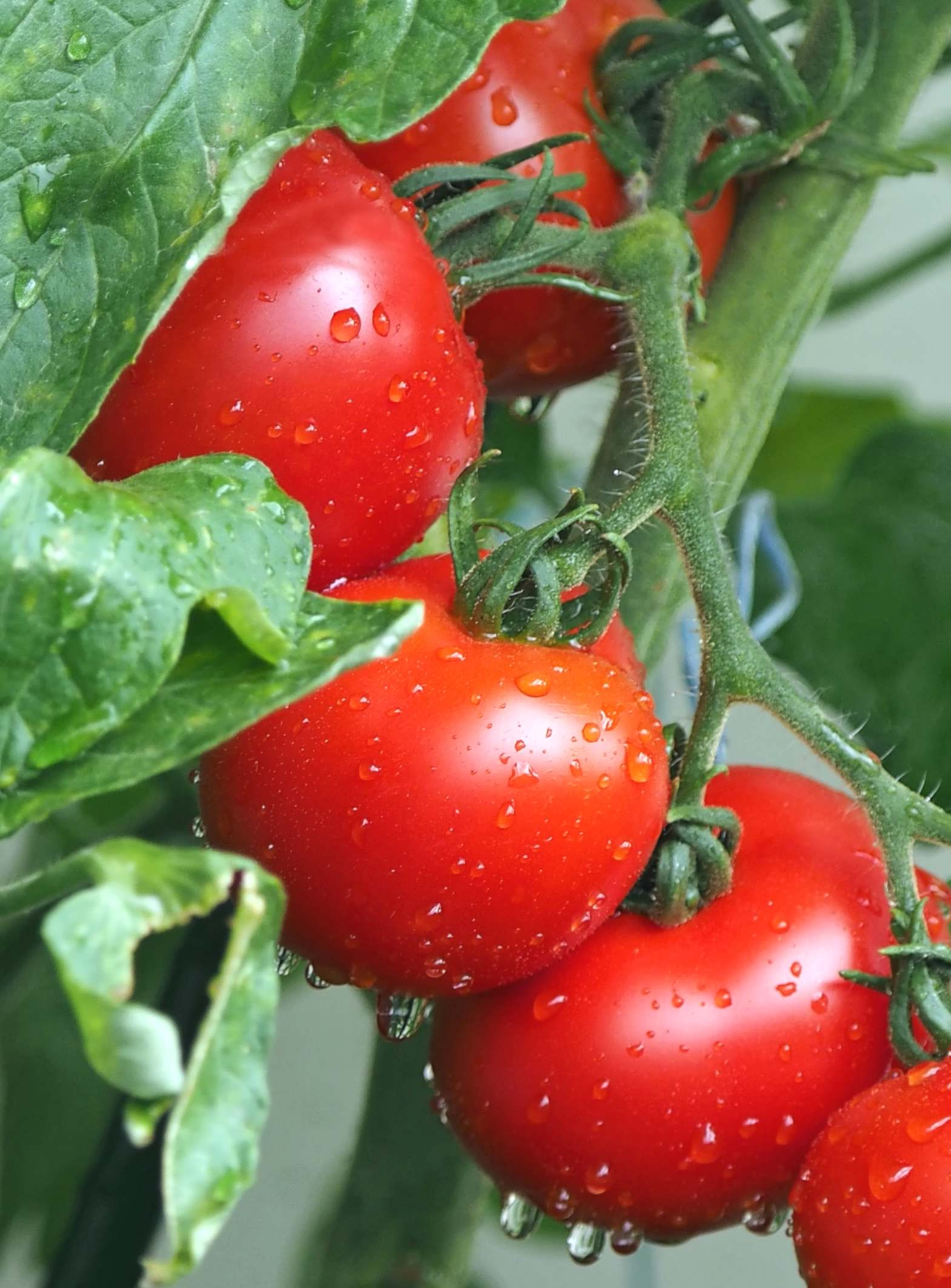
Imagine biting into a sun-warmed tomato, bursting with flavor, grown right in your own backyard. That's the dream of almost every home gardener, and it's a dream within reach! Growing your own tomatoes isn't just about fresh produce; it's about connecting with nature, enjoying the satisfaction of nurturing life, and savoring the unparalleled taste of homegrown goodness.
Tomatoes are garden superstars for a reason. They're relatively easy to grow, produce a prolific harvest even in small spaces, and offer a taste that blows store-bought varieties out of the water. Plus, with countless varieties to choose from – from tiny cherry tomatoes perfect for snacking to massive beefsteaks for slicing – there’s a tomato for every palate and garden size.
Want to give your tomato plants a boost right away? Try adding a handful of Epsom salts to the planting hole when you transplant them. The magnesium sulfate helps with nutrient uptake and can lead to stronger, healthier plants. Now, let's dive into the wonderful world of tomato cultivation!
Getting Started with Tomato Seeds
Starting with seeds gives you the biggest selection of tomato varieties to choose from. While you can buy tomato seedlings from a nursery, starting from seed allows you to grow heirloom varieties and unique cultivars that aren't readily available elsewhere. Plus, it's incredibly rewarding to watch those tiny seeds sprout and grow into thriving plants.
First, you need to pick the right seeds. Consider your growing conditions: How much sunlight does your garden get? What's your climate like? Choose varieties that are well-suited to your local environment. Seed catalogs and online resources provide detailed information about each variety’s sun and space needs, disease resistance, and expected fruit size.
Next, it’s time to start your seeds indoors, typically 6-8 weeks before the last expected frost. This gives them a head start on the growing season.
Here’s a simple step-by-step guide:
1.Gather your supplies: You'll need seed starting trays or small pots, seed starting mix (not garden soil), tomato seeds, a spray bottle, and a heat mat (optional but helpful).
2.Moisten the soil: Dampen the seed starting mix until it's evenly moist but not soggy.
3.Sow the seeds: Plant 2-3 seeds per cell or pot, about ¼ inch deep.
4.Cover and warm: Gently cover the seeds with soil and lightly mist with water. Place the trays on a heat mat if you have one, or in a warm location. The ideal soil temperature for germination is between 75-85°F (24-29°C).
5.Provide light: Once the seedlings emerge, provide them with plenty of light. A grow light is ideal, but a sunny windowsill can also work. Rotate the trays regularly to prevent the seedlings from leaning towards the light.
6.Water carefully: Keep the soil consistently moist, but avoid overwatering. Water from the bottom to prevent damping off, a fungal disease that can kill young seedlings.
7.Thin the seedlings: Once the seedlings have their first true leaves (the second set of leaves), thin them to one plant per cell or pot. Choose the strongest, healthiest-looking seedling and snip off the others at soil level.
When should I start my tomato seeds indoors?
The timing depends on your local climate and the last expected frost date. As a general rule, start your tomato seeds indoors 6-8 weeks before the last frost. You can find the average last frost date for your area online or by contacting your local extension office.
Transplanting Your Tomato Seedlings
Once the danger of frost has passed and the soil has warmed up, it's time to transplant your tomato seedlings outdoors. Choose a sunny location that receives at least 6-8 hours of direct sunlight per day. Tomatoes thrive in well-drained soil that is rich in organic matter.
Before transplanting, harden off your seedlings. This means gradually acclimating them to outdoor conditions. Start by placing them outdoors in a sheltered location for a few hours each day, gradually increasing the amount of time they spend outside over the course of a week. This will help them adjust to the sun, wind, and temperature changes, preventing transplant shock.
When you're ready to transplant, dig a hole that is slightly larger than the root ball of the seedling. Add a handful of compost or well-rotted manure to the hole to enrich the soil. Gently remove the seedling from its pot and loosen the roots slightly. Place the seedling in the hole and backfill with soil. Water thoroughly.
One of the best tips for planting tomato seedlings is to bury the stem. Tomatoes have the unique ability to grow roots along their stems. By burying a significant portion of the stem, you encourage the plant to develop a stronger root system, leading to healthier, more productive plants. Simply pinch off the lower leaves and plant the seedling deep enough so that only the top few sets of leaves are above ground.
After transplanting, provide your tomato plants with support. Use stakes, cages, or trellises to keep the plants upright and prevent the fruit from touching the ground. This will help to improve air circulation and reduce the risk of disease.
What's the best soil for growing tomatoes?
Tomatoes prefer well-drained soil that is rich in organic matter. Amend your garden soil with compost, aged manure, or other organic materials to improve drainage and fertility. The ideal soil p H for tomatoes is between 6.0 and
6.8.
Caring for Your Tomato Plants
Once your tomato plants are established, they require regular care to thrive. This includes watering, fertilizing, pruning, and pest control.
Water your tomato plants deeply and regularly, especially during hot, dry weather. Water at the base of the plant to avoid wetting the foliage, which can encourage disease. Aim to keep the soil consistently moist but not waterlogged. A good rule of thumb is to water when the top inch of soil feels dry to the touch.
Fertilize your tomato plants regularly with a balanced fertilizer. Look for a fertilizer that is specifically formulated for tomatoes, or use a general-purpose fertilizer with an NPK ratio of 10-10-10 or 5-10-5. Follow the instructions on the fertilizer package for application rates. You can also supplement with organic fertilizers such as compost tea or fish emulsion.
Pruning is an important part of tomato plant care, especially for indeterminate varieties, which continue to grow and produce fruit throughout the growing season. Pruning helps to improve air circulation, reduce disease, and encourage fruit production. Remove suckers, which are the small shoots that grow between the main stem and the branches. These suckers can steal energy from the plant and reduce fruit yield.
Keep an eye out for pests and diseases. Common tomato pests include aphids, whiteflies, and tomato hornworms. Diseases include early blight, late blight, and blossom end rot. Inspect your plants regularly and take action promptly if you notice any signs of problems. Use organic pest control methods whenever possible, such as insecticidal soap or neem oil. For diseases, ensure good air circulation, avoid overhead watering, and remove any infected leaves promptly.
How long do tomato plants take to grow?
The time it takes for tomato plants to mature and produce fruit varies depending on the variety and growing conditions. In general, it takes about 60-85 days from transplanting for tomatoes to ripen. Cherry tomatoes tend to ripen earlier than larger beefsteak varieties.
Harvesting Your Tomatoes
The moment you've been waiting for! Harvesting your own homegrown tomatoes is one of gardening's greatest joys. Knowing when to pick them is key to enjoying their full flavor.
Tomatoes are ripe when they are fully colored, slightly soft to the touch, and easily detach from the vine. The color will vary depending on the variety – red, yellow, orange, purple, or even striped. Gently twist or snip the tomato from the vine, leaving a small piece of the stem attached.
Handle your ripe tomatoes with care to avoid bruising. Store them at room temperature, out of direct sunlight. Refrigerating tomatoes can affect their flavor and texture, so it's best to enjoy them fresh as soon as possible.
If you have a glut of tomatoes, you can preserve them by canning, freezing, or drying. Homemade tomato sauce, salsa, and sun-dried tomatoes are all delicious ways to enjoy your harvest throughout the year.
Tips for Growing Bigger Tomatoes
Want to grow bragging-worthy tomatoes? Here are a few tips: Choose the right variety: Some varieties are naturally larger than others. Provide consistent watering: Irregular watering can lead to blossom end rot. Fertilize regularly: Use a fertilizer high in phosphorus and potassium. Prune suckers: This directs the plant's energy into fruit production. Remove some flowers:On large-fruited varieties, removing some flowers can encourage the plant to produce fewer, but larger, tomatoes.
Growing tomatoes is a journey of learning and experimentation. Don't be afraid to try new techniques, explore different varieties, and adapt your approach based on your own experiences. Every season brings new challenges and opportunities for growth. So, get your hands dirty, embrace the process, and savor the delicious rewards of your homegrown harvest!
Post a Comment for "Tomato Seeds How to Plant and Grow at Home"