Growing Tomatoes in Florida Climate-Specific Tips
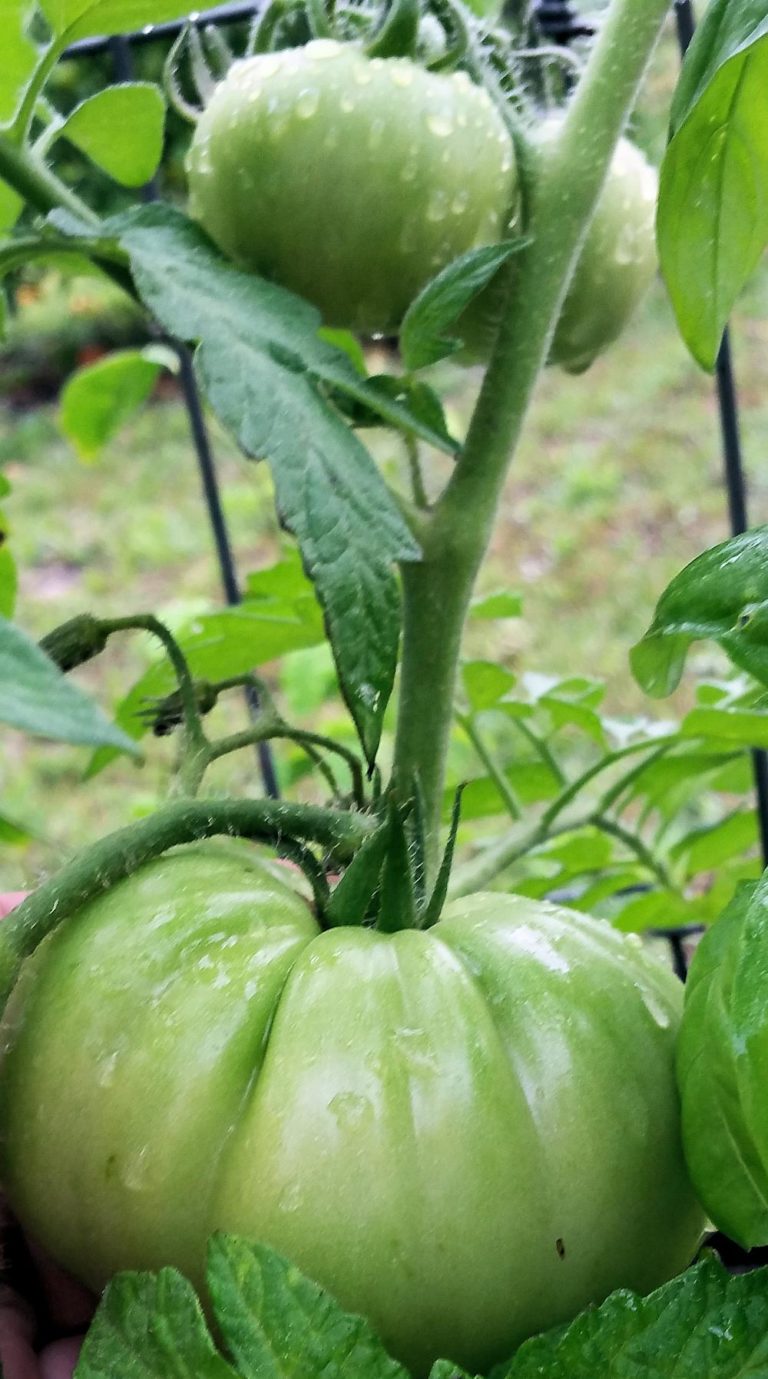
Imagine biting into a sun-warmed tomato, bursting with flavor, fresh from your own garden. Sounds idyllic, right? But for Florida gardeners, the reality of growing those juicy red fruits can sometimes feel more like a frustrating challenge.
That's because our unique climate – with its intense heat, humidity, and unpredictable weather – demands a specific approach to tomato cultivation. Mastering those climate-specific techniques can be the difference between a meager harvest and a bumper crop of delicious, homegrown tomatoes. We’re talking about more than just bragging rights here; we’re talking about access to fresh, healthy food, the satisfaction of nurturing something from seed to table, and the pure joy of tasting a tomato that actuallytasteslike a tomato.
So, let’s ditch the generic gardening advice and dive into the secrets of successfully growing tomatoes right here in the Sunshine State. A simple adjustment to your watering schedule, a careful choice of variety, or a clever trick for dealing with pests – any of these can make a huge difference. Let's start with finding the perfect spot for your plants.
Finding the Right Spot for Your Florida Tomatoes
Florida sunshine is abundant, but not all sunshine is created equal when it comes to tomatoes. These plants need plenty of light, but our intense summer sun can actually scorch the leaves and damage the fruit. Choosing the right location is crucial for a thriving tomato patch.
Ideally, you want a spot that gets at least 6-8 hours of direct sunlight per day, particularly in the morning. Morning sun is less intense and allows the plants to dry off quickly, reducing the risk of fungal diseases which thrive in our humid climate. Afternoon shade is your friend, especially during the hottest months. If you don't have a naturally shady area, consider using shade cloth to protect your plants from the harshest rays.
Pay attention to drainage, too. Tomatoes hate soggy feet, and Florida's heavy rains can quickly lead to root rot if your soil doesn't drain well. Raised beds or containers are excellent options for improving drainage. And remember, good air circulation is vital for preventing fungal diseases, so avoid planting your tomatoes in a cramped or enclosed space.
What kind of soil is best for tomatoes in Florida?
The best soil for tomatoes in Florida is well-draining, slightly acidic (p H 6.0-6.8), and rich in organic matter. Amending your native soil with compost, aged manure, or other organic materials is essential for improving drainage and providing nutrients. Sandy soil drains quickly, but may not retain moisture or nutrients well. Clay soil retains moisture, but can become waterlogged. A balanced soil mix will provide the best of both worlds.
Choosing the Right Tomato Varieties
Not all tomato varieties are created equal, especially when it comes to Florida's challenging climate. Some varieties are simply better equipped to handle the heat, humidity, and diseases that are common in our state. Selecting the right varieties is half the battle when growing tomatoes in Florida.
Look for varieties that are specifically bred for warm climates and are resistant to common tomato diseases like Fusarium wilt, Verticillium wilt, and nematodes. Many seed packets and plant tags will list disease resistance with abbreviations like "F," "V," and N.Some excellent tomato varieties for Florida include: Florida 91: A classic choice, known for its heat tolerance and disease resistance. Solar Fire: Produces large, flavorful fruits that are resistant to cracking, a common problem in wet weather. Celebrity: A widely adapted hybrid that performs well in various conditions. Heatwave II: As the name suggests, this variety is exceptionally heat tolerant. Roma:A paste-type tomato that's perfect for making sauces and canning.
Don't be afraid to experiment with different varieties to see what works best in your specific microclimate. Talk to local gardeners or visit a local nursery for recommendations. Remember, what thrives in one area of Florida may not thrive in another.
How long do tomatoes take to grow in Florida?
The time it takes for tomatoes to grow in Florida depends on the variety, weather conditions, and growing practices. Generally, you can expect to harvest tomatoes 60-85 days after transplanting seedlings. Determinate varieties, which produce all their fruit at once, typically ripen faster than indeterminate varieties, which continue to produce fruit throughout the season. Factors like temperature, sunlight, and watering can also affect ripening time.
Planting Your Tomato Seedlings
Once you've chosen the right spot and the right varieties, it's time to get those tomato seedlings in the ground! Timing is crucial when planting tomatoes in Florida. You want to avoid planting too early, when there's still a risk of frost, and too late, when the heat becomes unbearable.
The best time to plant tomatoes in Florida is typically: South Florida: Late January to early March (for a spring crop) and August to September (for a fall crop). Central Florida: February to March (for a spring crop) and August (for a fall crop). North Florida:March to April (for a spring crop) and July to August (for a fall crop).
When planting your seedlings, dig a hole that's slightly larger than the root ball. Gently remove the seedling from its container and loosen the roots. You can even remove the bottom sets of leaves and bury the stem deeper than it was in the container. This encourages the plant to develop more roots along the buried stem, leading to a stronger, healthier plant. Space your plants according to the variety's recommendations, usually about 2-3 feet apart.
After planting, water the seedlings thoroughly and add a layer of mulch around the base of the plants to help retain moisture and suppress weeds. Mulch also helps regulate soil temperature, which is especially important in Florida's hot climate.
Watering and Fertilizing for Success
Watering and fertilizing are essential for healthy tomato plants and a bountiful harvest. The key is to strike a balance – providing enough water and nutrients without overdoing it.
Water deeply and regularly, especially during hot, dry periods. Aim to water at the base of the plant, avoiding wetting the leaves, which can promote fungal diseases. Early morning watering is ideal, as it allows the foliage to dry off during the day. A good rule of thumb is to water when the top inch of soil feels dry to the touch.
Fertilize your tomato plants regularly with a balanced fertilizer that's specifically formulated for tomatoes. Look for a fertilizer with an NPK ratio (nitrogen, phosphorus, potassium) that's appropriate for the stage of growth. For example, a fertilizer with a higher phosphorus content is beneficial for root development during the early stages of growth. Follow the instructions on the fertilizer package carefully to avoid over-fertilizing. You can also supplement with organic fertilizers like compost tea or fish emulsion.
Can tomatoes grow indoors year-round in Florida?
Yes, tomatoes can be grown indoors year-round in Florida, but it requires providing the right conditions. This includes adequate light (either natural or artificial), proper temperature, humidity control, and pollination assistance. Dwarf or determinate varieties are often better suited for indoor growing, as they require less space.
Dealing with Pests and Diseases
Unfortunately, tomatoes are susceptible to a variety of pests and diseases, especially in Florida's humid climate. Regular monitoring and early intervention are crucial for preventing major problems.
Common tomato pests in Florida include aphids, whiteflies, spider mites, and tomato hornworms. These pests can damage leaves, stems, and fruit. Regularly inspect your plants for signs of infestation, such as yellowing leaves, sticky residue, or chewed foliage. You can often control these pests with organic methods like insecticidal soap, neem oil, or hand-picking.
Fungal diseases like early blight, late blight, and Septoria leaf spot are also common in Florida. These diseases can cause spots on leaves, stems, and fruit, and can eventually kill the plant. To prevent fungal diseases, ensure good air circulation, avoid wetting the foliage when watering, and use disease-resistant varieties. If you spot signs of disease, remove affected leaves immediately and treat the plants with a fungicide labeled for use on tomatoes.
Remember that prevention is always better than cure. Keep your garden clean and free of debris, rotate your crops annually, and provide your plants with the best possible growing conditions to minimize the risk of pests and diseases.
Pruning and Support for Healthy Growth
Pruning and providing support are two important practices that can significantly improve your tomato crop. Pruning helps to improve air circulation, reduce disease, and encourage fruit production. Support, whether it's in the form of stakes, cages, or trellises, keeps the plants upright, preventing the fruit from touching the ground and reducing the risk of rot.
For indeterminate varieties, which continue to grow throughout the season, pruning is essential. Remove suckers (the small shoots that grow between the main stem and the branches) to encourage the plant to focus its energy on fruit production. You can also prune the lower leaves to improve air circulation and reduce the risk of fungal diseases.
Determinate varieties generally require less pruning, but you may still want to remove any yellowing or diseased leaves. Provide support for all tomato plants, regardless of variety. Stakes are a simple and inexpensive option, but cages offer more support and allow the plant to grow more naturally. Trellises are a good option for growing tomatoes in a limited space.
Tips for growing bigger tomatoes in Florida
To grow bigger tomatoes in Florida, focus on providing optimal growing conditions. This includes selecting appropriate varieties known for larger fruit size, ensuring adequate sunlight (6-8 hours per day), watering deeply and consistently, fertilizing regularly with a balanced tomato fertilizer, pruning suckers to direct energy towards fruit production, and providing sturdy support to prevent fruit from touching the ground.
Growing tomatoes in Florida can be challenging, but with the right knowledge and techniques, you can enjoy a bountiful harvest of delicious, homegrown tomatoes. Don't be afraid to experiment with different varieties, try new techniques, and learn from your successes and failures. Every season is a learning opportunity, and with a little patience and perseverance, you'll be well on your way to becoming a tomato-growing expert.
Post a Comment for "Growing Tomatoes in Florida Climate-Specific Tips"