How to Grow San Marzano Tomatoes at Home
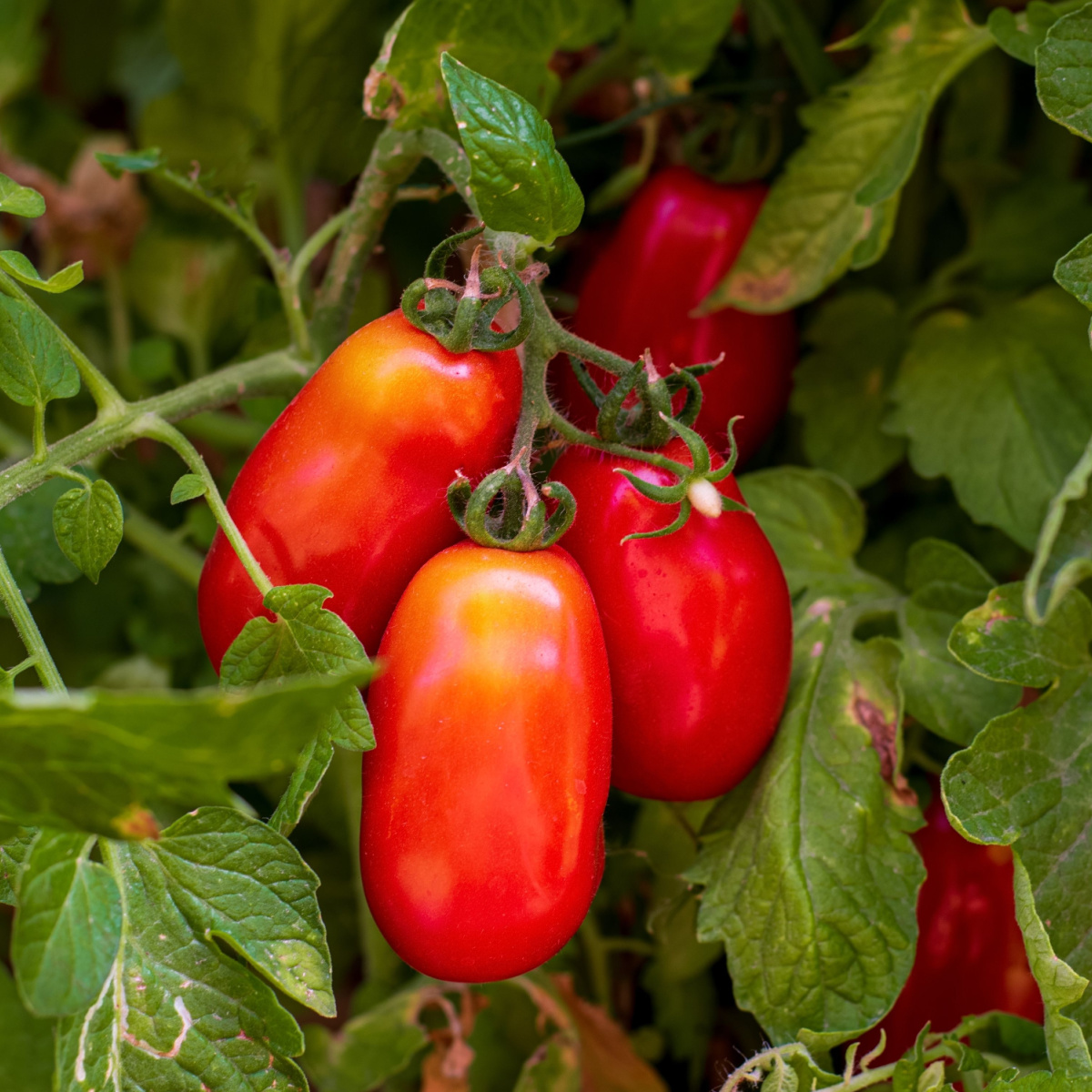
Is there anything quite like the taste of a sun-ripened tomato, bursting with flavor straight from your own garden? It's a joy every gardener dreams of, and with the right know-how, it's completely achievable!
Today, we're diving into the delicious world of San Marzano tomatoes. These plum tomatoes are prized for their rich, sweet flavor and meaty texture, making them the stars of countless sauces and dishes. Growing your own San Marzano tomatoes allows you to enjoy the authentic taste of Italy right from your backyard, plus you'll know exactly what's gone into growing them.
Here's a quick tip to get you started: San Marzano tomatoes thrive in warm weather. If you live in a cooler climate, start your seeds indoors about 6-8 weeks before the last expected frost. This will give your plants a head start and ensure a bountiful harvest!
Getting Started with San Marzano Tomatoes
San Marzano tomatoes, with their distinctive elongated shape and intense flavor, are a favorite among chefs and home cooks alike. But what makes them so special, and how can you cultivate these culinary gems in your own garden? This guide will walk you through everything you need to know, from selecting the right seeds to harvesting your flavorful crop.
Choosing the Right San Marzano Variety
While "San Marzano" is a well-known name, several varieties fall under this umbrella. Authentic San Marzano tomatoes are typically labeled as "San Marzano 2" or have a DOP (Denominazione di Origine Protetta) certification, indicating they were grown in the designated region of Italy. However, many excellent hybrid varieties offer similar flavor and are easier to grow in different climates. Look for disease-resistant options that are well-suited to your local conditions. Check with your local nursery for advice on the best performing varieties in your area.
Starting from Seed vs. Buying Transplants
You have two main options for getting your San Marzano tomato plants: starting from seed or purchasing transplants from a nursery.
Starting from Seed: This method offers more variety and can be more cost-effective. Sow seeds indoors 6-8 weeks before the last expected frost. Use a seed-starting mix and keep the soil consistently moist. Once the seedlings have developed a few sets of true leaves, transplant them into individual pots. Buying Transplants: Purchasing transplants is a convenient option, especially if you're short on time or space. Choose healthy-looking plants with sturdy stems and no signs of disease or pests.
What kind of fertilizer should I use for San Marzano tomatoes?
San Marzano tomatoes are heavy feeders, so it's best to use a fertilizer specifically formulated for tomatoes. These fertilizers typically have a higher phosphorus content, which promotes strong root development and abundant fruit production. Look for a fertilizer with an N-P-K ratio (nitrogen, phosphorus, potassium) that is higher in phosphorus (the middle number). For example, a 5-10-5 or 10-15-10 fertilizer would be a good choice. Alternatively, you can amend the soil with compost or well-rotted manure before planting to provide a slow-release source of nutrients.
Planting Your San Marzano Tomatoes
Once your seedlings or transplants are ready, it's time to get them in the ground!
Selecting the Right Location
San Marzano tomatoes need at least 6-8 hours of sunlight per day to thrive. Choose a location in your garden that receives plenty of direct sunlight. The soil should be well-draining and rich in organic matter.
Preparing the Soil
Before planting, amend the soil with compost, aged manure, or other organic matter. This will improve drainage, fertility, and overall soil health. Aim for a slightly acidic soil p H between 6.0 and
6.8. You can test your soil p H with a simple soil testing kit available at most garden centers.
Planting Instructions
- Dig a hole that is twice as wide and as deep as the root ball of your transplant.
- Gently remove the plant from its container and loosen any circling roots.
- Place the plant in the hole, ensuring that the top of the root ball is level with the surrounding soil.
- Backfill the hole with soil and gently firm it around the base of the plant.
- Water thoroughly.
- If using stakes or cages, install them now to avoid disturbing the roots later.
Spacing and Support
Space your San Marzano tomato plants about 24-36 inches apart. These plants can grow quite tall and sprawling, so providing support is crucial. Options include: Stakes: Drive a sturdy stake into the ground near each plant and tie the main stem to the stake with soft twine or plant ties. Cages: Place a tomato cage around each plant to provide support as it grows. Trellises:Use a trellis to train the plants to grow vertically, saving space in your garden.
What are some common mistakes to avoid when growing tomatoes?
Some common mistakes include overwatering, underwatering, not providing enough sunlight, failing to provide adequate support, and not fertilizing properly. Overwatering can lead to root rot, while underwatering can stress the plants and reduce fruit production. Tomatoes need at least 6-8 hours of sunlight per day to thrive. Without proper support, the plants can become weighed down by the fruit and break.
Caring for Your San Marzano Tomatoes
With proper care, your San Marzano tomato plants will reward you with a bountiful harvest.
Watering
Water your tomato plants deeply and regularly, especially during hot, dry weather. Aim to keep the soil consistently moist but not waterlogged. Water at the base of the plant to avoid wetting the foliage, which can increase the risk of disease.
Fertilizing
As mentioned earlier, San Marzano tomatoes are heavy feeders. Fertilize them every 2-3 weeks with a tomato-specific fertilizer. You can also side-dress with compost or aged manure.
Pruning
Pruning can help improve air circulation, reduce disease risk, and encourage fruit production. Remove suckers (the small shoots that grow in the crotch between the main stem and branches) to direct the plant's energy towards fruit development.
Pest and Disease Control
Keep an eye out for common tomato pests and diseases, such as aphids, tomato hornworms, and early blight. Take action promptly if you notice any problems. Organic pest control methods include hand-picking pests, using insecticidal soap, and introducing beneficial insects like ladybugs. For disease control, ensure good air circulation, avoid overhead watering, and use disease-resistant varieties.
How often should I water my tomato plants?
The frequency of watering depends on several factors, including the weather, the type of soil, and the size of the plants. Generally, you should water deeply whenever the top inch of soil feels dry to the touch. In hot, dry weather, you may need to water every day. In cooler, wetter weather, you may only need to water every few days.
Harvesting and Enjoying Your San Marzano Tomatoes
The moment you've been waiting for!
When to Harvest
San Marzano tomatoes are typically ready to harvest about 75-85 days after transplanting. The fruits should be fully red, firm, and slightly soft to the touch.
How to Harvest
Gently twist or clip the tomatoes from the vine, leaving a small piece of stem attached.
Storing
Store harvested tomatoes at room temperature, away from direct sunlight. Avoid refrigerating them, as this can affect their flavor and texture. Use your freshly harvested San Marzano tomatoes in your favorite recipes, such as sauces, soups, stews, and salads. You can also preserve them by canning, freezing, or drying.
How can I get my tomatoes to ripen faster?
If you have green tomatoes at the end of the season, you can try a few methods to encourage them to ripen faster. One option is to bring the entire plant indoors and hang it upside down in a cool, dark place. Alternatively, you can pick the green tomatoes and place them in a paper bag with a ripe apple or banana. The ethylene gas released by the ripe fruit will help the tomatoes to ripen. You can also try reducing the amount of water you give the plants, as this can encourage them to focus on ripening the existing fruit.
Growing San Marzano tomatoes at home is a rewarding experience that allows you to savor the authentic flavors of Italy. From selecting the right variety to harvesting your bountiful crop, each step of the process is a chance to connect with nature and create something truly delicious. Don't be afraid to experiment with different techniques and find what works best for your garden. The journey of growing your own food is just as satisfying as the final result. Happy gardening!
Post a Comment for "How to Grow San Marzano Tomatoes at Home"