Tomato Plants Upside Down Does It Really Work
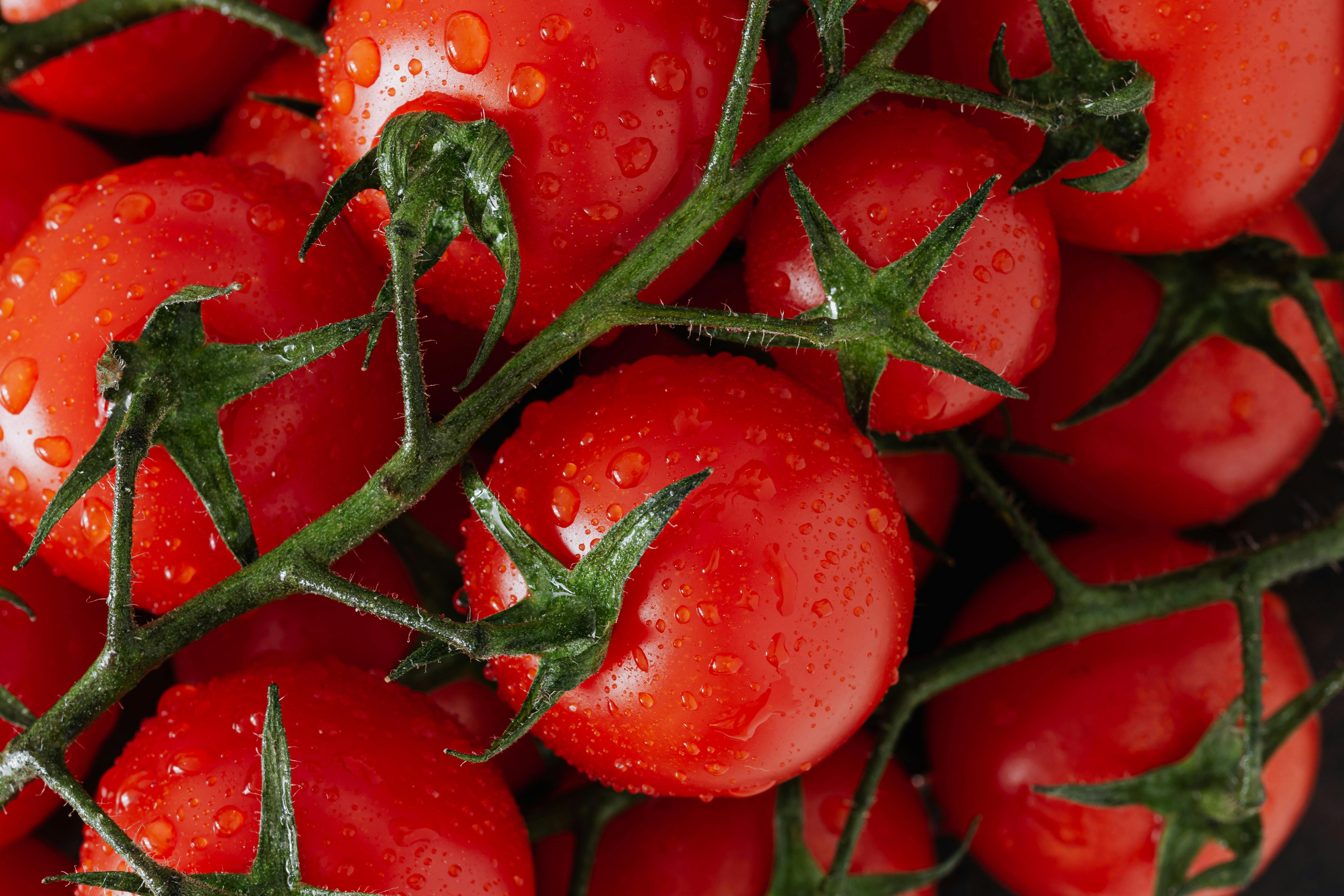
Imagine biting into a sun-ripened tomato, bursting with flavor, grown right in your own backyard. Now, imagine growing those delicious tomatoes…upside down! It sounds a little crazy, doesn’t it? But upside-down tomato planters have become increasingly popular, promising an easier, more productive way to grow these garden favorites.
For many home gardeners, the dream of harvesting basketfuls of juicy tomatoes can be a bit challenging. Limited space, soil problems, and pesky pests often get in the way. That’s where upside-down tomato growing comes in. It offers a potentially space-saving, pest-reducing, and dare we say, conversation-starting, method for enjoying fresh, homegrown tomatoes.
Ready to give your tomatoes a boost? Before you even think about planting, amend your soil with plenty of compost. Whether you're using a traditional garden bed, a pot, or even an upside-down planter, healthy soil is the foundation for happy, thriving tomato plants!
Upside Down Tomato Plants: Do They Really Work?
The question everyone’s asking: do upside-down tomato plants actually deliver on their promises? The short answer is: it depends. While the concept seems simple – plant a tomato seedling in the bottom of a container and hang it upside down – the reality can be a bit more nuanced.
The Potential Benefits
Space Saving: Ideal for small patios, balconies, or anyone with limited garden space. You're utilizing vertical space instead of ground space. Reduced Soilborne Pests & Diseases: By hanging the plant, you can minimize contact with soilborne pests and diseases that can plague traditional tomato gardens. Improved Air Circulation: Hanging the plant allows for better airflow around the leaves, reducing the risk of fungal diseases. Novelty Factor: Let's be honest, an upside-down tomato plant is a cool conversation starter!
The Potential Drawbacks
Watering Challenges: Upside-down planters can dry out quickly, especially in hot, sunny weather. Consistent watering is crucial. Weight Issues: As the plant grows and produces fruit, the planter can become very heavy, requiring a sturdy hanging structure. Sun Scald: Tomatoes exposed to direct sunlight without sufficient foliage cover can suffer from sun scald. Specific Tomato Varieties: Not all tomato varieties are well-suited for upside-down growing. Compact, determinate varieties tend to perform better.
Ultimately, the success of growing tomatoes upside down depends on a variety of factors, including the type of planter used, the tomato variety chosen, the climate, and the gardener’s attention to watering and fertilization.
What are the best tomato varieties for upside-down planters?
Smaller, bush-type or determinate tomato varieties generally perform best in upside-down planters. These varieties don't get as large and unruly as indeterminate types, making them easier to manage in a hanging container. Great choices include: Tumbler: A popular choice known for its early yields and compact growth. Roma: A reliable paste tomato that produces lots of fruit. Patio: As the name suggests, this variety is ideal for container gardening. Cherry or Grape Tomatoes: These small, sweet tomatoes are well-suited for hanging baskets and upside-down planters.
Avoid large, indeterminate varieties like Beefsteak or Brandywine, as they tend to become too heavy and sprawling for upside-down growing.
How to Plant Tomatoes Upside Down: A Step-by-Step Guide
Ready to give it a try? Here’s a simple guide to planting your tomatoes upside down:
1.Choose Your Planter: You can purchase a commercially made upside-down tomato planter, or create your own using a 5-gallon bucket or similar container. Make sure the container has drainage holes.
2.Prepare the Container: If you're using a DIY planter, drill a hole in the bottom that's large enough for the tomato seedling to fit through, but small enough to prevent the soil from falling out.
3.Add Soil: Fill the container with a high-quality potting mix. Amend with compost for added nutrients.
4.Plant the Seedling: Gently thread the tomato seedling through the hole in the bottom of the container. Be careful not to damage the stem.
5.Secure the Plant: Add more soil around the base of the plant to secure it in place.
6.Water Thoroughly: Water the plant well after planting.
7.Hang the Planter: Hang the planter in a sunny location that receives at least 6-8 hours of sunlight per day. Make sure the hanging structure is strong enough to support the weight of the planter as the plant grows.
8.Water and Fertilize Regularly: Keep the soil consistently moist, but not waterlogged. Fertilize every 2-3 weeks with a balanced fertilizer.
Tips for Thriving Upside-Down Tomato Plants
Even with the best setup, upside-down tomato plants can sometimes struggle. Here are some tips to help your plants thrive: Choose the Right Location: Select a spot that receives plenty of sunlight and is sheltered from strong winds. Water Wisely: Check the soil moisture regularly and water as needed. Upside-down planters tend to dry out faster than traditional containers, especially during hot weather. Consider using a self-watering planter or adding water-retaining crystals to the soil. Provide Support: As the plant grows, it may need additional support. You can use twine or soft plant ties to support the stems and prevent them from breaking. Protect from Pests: Monitor your plants regularly for pests such as aphids, whiteflies, and tomato hornworms. Take action promptly to control any infestations. Mulch the Top: Adding a layer of mulch to the top of the soil in the container can help retain moisture and suppress weeds. Prune Strategically: Prune away any suckers (the small shoots that grow between the main stem and the branches) to encourage the plant to focus its energy on producing fruit. Rotate the Planter:Periodically rotate the planter to ensure that all sides of the plant receive equal sunlight.
Can you grow other vegetables upside down besides tomatoes?
Yes, you can! While tomatoes are the most popular choice, other vegetables that work well in upside-down planters include: Peppers: Bell peppers, chili peppers, and other pepper varieties can thrive in upside-down planters. Eggplant: Smaller eggplant varieties are suitable for upside-down growing. Cucumbers: Bush cucumber varieties work best. Strawberries: A great option for a cascading display of fruit. Herbs:Many herbs, such as basil, mint, and oregano, can be successfully grown upside down.
Consider the size and growth habit of the plant when deciding whether it's suitable for upside-down growing.
Troubleshooting Common Problems
Even with the best care, you might encounter some challenges when growing tomatoes upside down. Here are some common problems and how to address them: Plant Wilting: This can be caused by underwatering, overwatering, or root rot. Check the soil moisture and adjust your watering accordingly. Ensure the container has adequate drainage. Yellowing Leaves: Yellowing leaves can indicate a nutrient deficiency. Fertilize the plant with a balanced fertilizer or a fertilizer specifically formulated for tomatoes. Blossom End Rot: This is a condition caused by calcium deficiency, resulting in dark, sunken spots on the bottom of the tomatoes. Ensure consistent watering and consider adding calcium to the soil. Sun Scald: If the tomatoes are exposed to too much direct sunlight, they can develop sun scald, characterized by white or yellowish patches on the fruit. Provide shade during the hottest part of the day or ensure that the plant has sufficient foliage cover to protect the tomatoes.
How long do tomatoes take to grow in an upside-down planter?
The time it takes for tomatoes to mature in an upside-down planter is similar to growing them in traditional containers or in the ground. It depends on the tomato variety and the growing conditions. Generally, you can expect to harvest tomatoes 60-85 days after planting the seedlings. Cherry tomatoes tend to mature faster than larger varieties. Provide optimal growing conditions, including plenty of sunlight, consistent watering, and regular fertilization, to encourage faster growth and fruit production.
Growing tomatoes, whether right-side up or upside down, is an adventure filled with learning and rewards. Don't be afraid to experiment with different techniques, varieties, and growing methods to discover what works best for you and your garden. With a little patience and care, you'll be enjoying delicious, homegrown tomatoes in no time!
Post a Comment for "Tomato Plants Upside Down Does It Really Work"