Tomato Growing Regions Where They Thrive Best
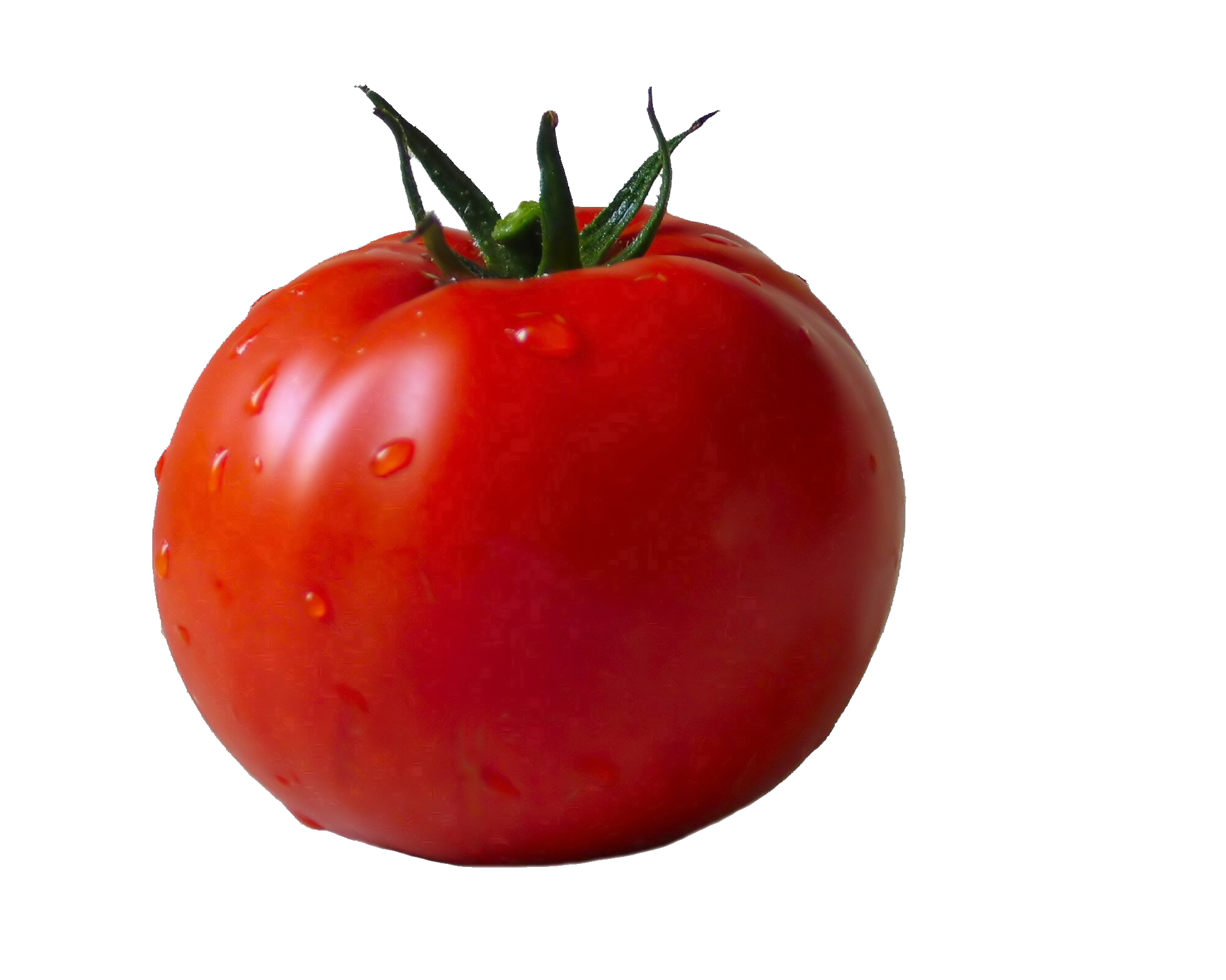
Imagine biting into a sun-ripened tomato, bursting with flavor, fresh from your own garden. That taste is within reach, no matter where you live! Growing tomatoes can seem daunting, but understanding your regional climate and how it impacts tomato plants is the first step to a successful harvest.
Knowing which tomato varieties thrive in your specific area can be the difference between a lackluster yield and a basket overflowing with juicy, delicious fruit. Matching the right tomato to your region not only boosts your chances of a bountiful harvest but also saves you time, effort, and potential heartbreak. It’s about workingwithnature, not against it.
Ready for a quick win? Start by checking your local university extension service website. They offer region-specific planting calendars that pinpoint the best time to start your tomato seeds or transplant seedlings into your garden. This simple step can dramatically improve your chances of success!
Understanding Tomato Growing Regions
Tomatoes, while adaptable, have distinct preferences when it comes to climate. They crave sunshine and warmth, but too much of either can be detrimental. Let’s break down the major tomato growing regions and what makes them unique.
Warm, Arid Climates (Southwestern US): Think Arizona, New Mexico, and parts of California. These regions boast long, hot summers and mild winters. Temperate Climates (Pacific Northwest, Mid-Atlantic): Regions like Washington, Oregon, and the Mid-Atlantic states offer moderate temperatures and distinct seasons. Humid Subtropical Climates (Southeastern US): Florida, Georgia, and the Carolinas experience hot, humid summers and mild winters. Cool, Short Season Climates (Northern US, Canada): Northern states and Canada have shorter growing seasons with cooler temperatures.
The length of the growing season, average temperatures, humidity levels, and even the amount of rainfall all play a crucial role in how well your tomatoes will perform. A variety that thrives in the hot, dry Southwest might struggle in the humid Southeast, and vice-versa.
What are the best conditions for growing tomatoes?
The ideal conditions for growing tomatoes include at least 6-8 hours of direct sunlight per day, well-drained soil with a slightly acidic p H (6.0-6.8), and consistent moisture. Tomatoes also need adequate warmth, with daytime temperatures ideally between 70-85°F (21-29°C) and nighttime temperatures above 55°F (13°C). Protection from strong winds and frost is also essential.
Choosing the Right Tomato Variety for Your Region
Now that you have a general understanding of different climate zones, let's dive into specific tomato varieties that are well-suited for each region.
Warm, Arid Climates
Heatwave II: As the name suggests, this variety is a heat-tolerant champion. It produces medium-sized, flavorful tomatoes even when temperatures soar. Roma: This classic paste tomato is not only heat-tolerant but also drought-resistant, making it a great choice for drier climates. Celebrity:An adaptable hybrid that performs well in hot conditions, providing a consistent yield of juicy, medium-sized tomatoes.
Temperate Climates
Early Girl: A reliable choice for shorter growing seasons, Early Girl produces medium-sized tomatoes early in the season, allowing you to enjoy homegrown tomatoes sooner. Better Bush: A compact, determinate variety perfect for container gardening, Better Bush offers a good yield of medium-sized tomatoes in a relatively small space. Brandywine:While it takes a bit longer to mature, Brandywine tomatoes are renowned for their exceptional flavor and large size, making them worth the wait in temperate climates.
Humid Subtropical Climates
Florida 91: Developed specifically for Florida's humid conditions, this variety is resistant to many common tomato diseases that thrive in these climates. Solar Fire: This heat-tolerant variety sets fruit well even in high humidity, producing medium-sized, flavorful tomatoes. Mountain Magic:Known for its resistance to late blight, a common problem in humid regions, Mountain Magic offers a reliable harvest of small, grape-sized tomatoes.
Cool, Short Season Climates
Sub Arctic Plenty: This ultra-early variety is a lifesaver for gardeners in cool climates, producing small to medium-sized tomatoes in as little as 45 days. Siberian: Another cold-hardy variety, Siberian tomatoes are known for their ability to set fruit even in cool temperatures. Glacier:This compact variety is perfect for container gardening and produces small, flavorful tomatoes early in the season.
How do I know which tomato varieties will grow best in my area?
The best way to determine which tomato varieties will thrive in your area is to consult your local university extension service, experienced gardeners in your community, or local nurseries. They can provide specific recommendations based on your region's unique climate conditions, including temperature ranges, humidity levels, and common pests and diseases. Reading online reviews from gardeners in your area can also provide valuable insights.
Tips for Growing Tomatoes in Different Climates
Beyond selecting the right variety, there are several techniques you can employ to optimize your tomato growing success in different climate zones.
Warm, Arid Climates
Provide Shade: Protect your plants from the intense afternoon sun by using shade cloth or planting them in a location that receives partial shade during the hottest part of the day. Water Deeply and Regularly: Water deeply and less frequently to encourage deep root growth, making your plants more drought-tolerant. Use drip irrigation or soaker hoses to deliver water directly to the roots and minimize water loss through evaporation. Mulch Heavily:Apply a thick layer of organic mulch around your plants to help retain moisture in the soil and suppress weeds.
Temperate Climates
Start Seeds Indoors: Give your plants a head start by starting seeds indoors 6-8 weeks before the last expected frost. Harden Off Seedlings: Gradually acclimate your seedlings to outdoor conditions before transplanting them into the garden. Provide Support:Use stakes, cages, or trellises to support your plants as they grow and prevent the fruit from touching the ground.
Humid Subtropical Climates
Ensure Good Air Circulation: Space your plants adequately to allow for good air circulation, which helps prevent fungal diseases. Prune Regularly: Prune your plants to remove suckers (the shoots that grow between the main stem and branches) to improve air circulation and focus the plant's energy on fruit production. Choose Disease-Resistant Varieties:Select tomato varieties that are specifically bred to resist common diseases that thrive in humid conditions, such as early blight, late blight, and Septoria leaf spot.
Cool, Short Season Climates
Use Season Extension Techniques: Extend your growing season by using cloches, row covers, or a greenhouse to protect your plants from frost and cold temperatures. Choose a Sunny Location: Plant your tomatoes in the sunniest spot in your garden to maximize their exposure to sunlight. Use Dark-Colored Mulch:Dark-colored mulch will absorb heat from the sun and help warm the soil.
How long do tomato plants take to grow?
The time it takes for tomato plants to grow and produce fruit varies depending on the variety and growing conditions. Early-maturing varieties can produce ripe tomatoes in as little as 50-60 days from transplanting, while late-maturing varieties may take 80-90 days or more. Generally, expect to start harvesting tomatoes 2-3 months after transplanting seedlings into your garden. Consistent watering, fertilizing, and warm temperatures will help speed up the ripening process.
Addressing Common Tomato Growing Challenges
No matter where you live, you're likely to encounter some challenges when growing tomatoes. Here’s how to tackle some common issues: Blossom End Rot: This is often caused by calcium deficiency due to inconsistent watering. Ensure consistent moisture and consider adding calcium to the soil. Pests (Aphids, Tomato Hornworms): Regularly inspect your plants for pests and take action promptly. Use insecticidal soap or handpick pests off the plants. Fungal Diseases (Early Blight, Late Blight): Choose disease-resistant varieties and provide good air circulation. Use a fungicide if necessary. Cracking: This can occur when tomatoes experience rapid changes in moisture levels. Water consistently and avoid overwatering after a dry spell. Poor Fruit Set:High temperatures or lack of pollination can cause poor fruit set. Consider using a blossom set spray or hand-pollinating your plants.
Remember that gardening is a learning process. Don't be discouraged by setbacks. Each season brings new opportunities to learn and improve your tomato-growing skills.
Can tomatoes grow indoors year-round?
Yes, tomatoes can be grown indoors year-round, but it requires providing them with adequate light, warmth, and pollination. Choose a sunny location or supplement with grow lights to ensure they receive at least 6-8 hours of light per day. Maintain consistent temperatures and humidity levels, and provide support as they grow. You may also need to hand-pollinate the flowers to ensure fruit set. Dwarf or compact varieties are often better suited for indoor growing.
Growing tomatoes is a rewarding journey, and understanding your regional climate is key to unlocking a delicious harvest. Embrace the challenges, experiment with different varieties and techniques, and most importantly, enjoy the process. Every season is a chance to learn something new and bring the taste of homegrown tomatoes to your table. So, get out there, get your hands dirty, and watch your tomato dreams blossom!
Post a Comment for "Tomato Growing Regions Where They Thrive Best"