Using Epsom Salt for Tomato Growth Does It Work
Is there anything quite as satisfying as biting into a sun-ripened, homegrown tomato? The juicy burst of flavor is a testament to your gardening efforts, and it's an experience that keeps us coming back season after season. But let's face it, growing prize-winning tomatoes can sometimes feel like a real challenge.
That’s because every gardener wants bigger, healthier, and tastier tomatoes, and we're always searching for the secret ingredient that will give us that edge. Whether you’re growing tomatoes in pots on a small balcony or have dedicated rows in a sprawling garden, maximizing your yield and the flavor of your harvest is always top of mind. That’s where Epsom salt comes into the picture. Is it a gardening myth, or does it truly work wonders for your tomato plants? Let’s dig in!
Want to give your tomato plants a quick boost? Try adding a tablespoon of Epsom salt to a gallon of water and use it to water your plants after they’ve been transplanted. This can help them establish strong roots.
Epsom Salt and Tomatoes: Unveiling the Truth
Epsom salt, or magnesium sulfate, is a mineral compound often touted as a miracle solution for various gardening woes, including boosting tomato growth. The claim is that the magnesium in Epsom salt helps with chlorophyll production, which is crucial for photosynthesis, while the sulfur aids in nutrient uptake. But is there real science backing this up, or is it just an old gardener’s tale?
While magnesium is indeed an essential nutrient for plant growth, many healthy garden soils already contain sufficient amounts. The real question is whether your specific soil is deficient in magnesium, and whether adding Epsom salt will actually make a significant difference.
The short answer? It depends. If your soilisdeficient in magnesium (which you can determine through a soil test), then Epsom salt can certainly be beneficial. However, blindly adding it to your soil without knowing its current nutrient levels could potentially do more harm than good, leading to nutrient imbalances that can hinder your tomato plants' growth.
What is Magnesium Deficiency in Tomato Plants?
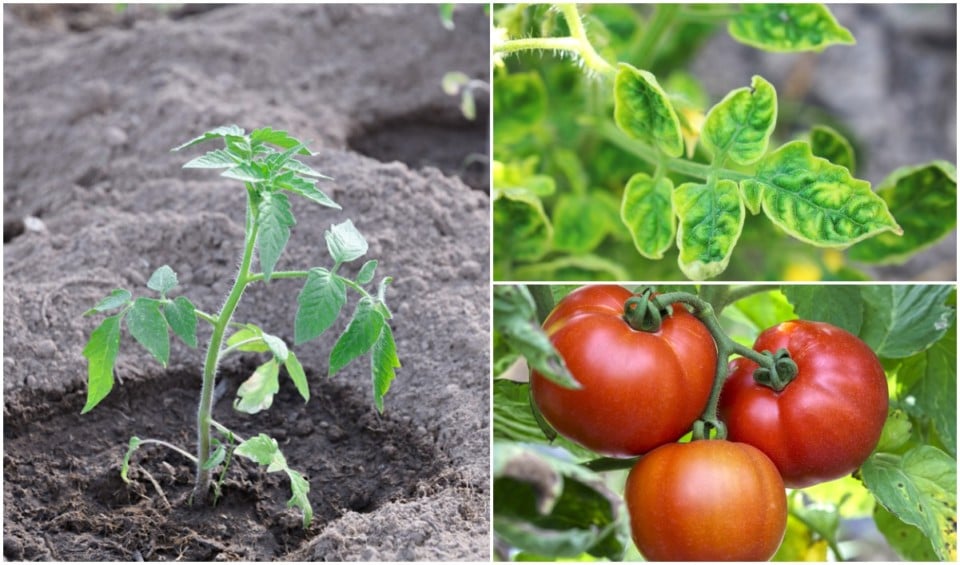
Magnesium deficiency in tomato plants often manifests as yellowing leaves, particularly between the veins of older leaves. The veins themselves tend to remain green, creating a distinctive "interveinal chlorosis" pattern. The affected leaves may also become brittle and develop brown spots. If you notice these symptoms, it's worth considering a soil test to check your magnesium levels.
How to Conduct a Soil Test
Conducting a soil test is easier than you might think. You can purchase a soil testing kit from your local garden center or hardware store, or send a soil sample to your local agricultural extension office for a more detailed analysis. Follow the instructions provided with the test kit or by the extension office to collect a representative soil sample from your garden. The results will tell you the p H level and nutrient content of your soil, including magnesium.
The Potential Benefits of Using Epsom Salt
Let's say your soil test reveals a magnesium deficiency. In that case, Epsom salt can offer several potential benefits for your tomato plants: Improved Photosynthesis: Magnesium is a key component of chlorophyll, the pigment that enables plants to convert sunlight into energy. Supplementing magnesium levels can boost photosynthesis, leading to healthier, more vigorous plants. Enhanced Nutrient Uptake: Sulfur plays a role in helping plants absorb essential nutrients like nitrogen, phosphorus, and potassium. By improving nutrient uptake, Epsom salt can contribute to stronger growth and increased yields. Prevention of Blossom-End Rot:While not a direct cure, maintaining adequate magnesium levels can help prevent blossom-end rot, a common tomato problem caused by calcium deficiency. Magnesium aids in calcium uptake, making it more readily available to the plant.
How to Use Epsom Salt for Tomato Plants: A Step-by-Step Guide
If you've determined that your soil is magnesium-deficient, here’s how to use Epsom salt safely and effectively:
1.Soil Test: Always start with a soil test to confirm a magnesium deficiency.
2.Application at Planting: When transplanting your tomato seedlings, sprinkle a tablespoon of Epsom salt into the planting hole before placing the plant. This helps provide an initial boost of magnesium.
3.Foliar Spray: Mix 1 tablespoon of Epsom salt per gallon of water and use a spray bottle to apply it directly to the leaves of your tomato plants. Do this in the early morning or late evening to avoid leaf burn from the sun. Repeat every 2-4 weeks.
4.Soil Drench: Alternatively, you can dissolve 1 tablespoon of Epsom salt in a gallon of water and use it to water your tomato plants every 2-4 weeks.
Important Considerations
Don't Overdo It: Too much Epsom salt can lead to nutrient imbalances and hinder plant growth. Always stick to the recommended dosages. Water Thoroughly: After applying Epsom salt, water your tomato plants thoroughly to help the nutrients reach the roots. Observe Your Plants:Keep a close eye on your tomato plants for any signs of improvement or adverse reactions. If you notice yellowing or browning of the leaves, discontinue use and consult with a local gardening expert.
What Other Nutrients Do Tomato Plants Need?
Besides magnesium, tomato plants require a balanced supply of other essential nutrients, including: Nitrogen (N): Promotes leafy growth and overall plant vigor. Phosphorus (P): Supports root development, flowering, and fruit production. Potassium (K): Enhances fruit quality, disease resistance, and water regulation. Calcium (Ca): Crucial for cell wall development and prevention of blossom-end rot.
A balanced fertilizer specifically formulated for tomatoes will typically contain these essential nutrients in the appropriate ratios.
Can Epsom Salt Replace Regular Fertilizer?
No, Epsom salt should not be used as a replacement for regular fertilizer. While it can provide magnesium and sulfur, it doesn't contain the full range of nutrients that tomato plants need for optimal growth and fruit production. Think of it as a supplement to address specific deficiencies, rather than a complete fertilizer.
Other Tips for Growing Bigger, Healthier Tomatoes
Epsom salt can be a helpful tool in your tomato-growing arsenal, but it's just one piece of the puzzle. Here are some additional tips for maximizing your tomato harvest: Choose the Right Variety: Select tomato varieties that are well-suited to your local climate and growing conditions. Provide Adequate Sunlight: Tomatoes need at least 6-8 hours of direct sunlight per day. Use Well-Draining Soil: Plant your tomatoes in well-draining soil that is rich in organic matter. Water Regularly: Water your tomato plants deeply and consistently, especially during hot, dry weather. Prune Your Plants: Prune suckers (the shoots that grow between the main stem and branches) to improve air circulation and encourage fruit production. Provide Support: Use stakes, cages, or trellises to support your tomato plants as they grow. Control Pests and Diseases: Monitor your plants regularly for pests and diseases, and take appropriate action to prevent or treat them. Mulch Your Plants: Apply a layer of mulch around your tomato plants to help retain moisture, suppress weeds, and regulate soil temperature. Consider Companion Planting:Planting basil near your tomatoes can help repel pests and improve the flavor of your tomatoes.
How Long Do Tomatoes Take to Grow?
The time it takes for tomatoes to grow from seed to harvest varies depending on the variety and growing conditions. Generally, it takes about 60-85 days from transplanting seedlings to harvesting ripe tomatoes. Determinate varieties, which grow to a certain size and produce all their fruit at once, tend to mature earlier than indeterminate varieties, which continue to grow and produce fruit throughout the season.
Can Tomatoes Grow Indoors Year-Round?
Yes, tomatoes can be grown indoors year-round, but it requires careful planning and attention to detail. You'll need to provide adequate light, either through a sunny window or artificial grow lights. Choose compact, determinate varieties that are well-suited to container growing. Pollinate the flowers manually using a small brush or by gently shaking the plants. Maintaining consistent temperature, humidity, and watering schedules is also crucial for successful indoor tomato gardening.
Growing your own tomatoes is a journey filled with learning and experimentation. Don't be afraid to try new techniques, observe your plants closely, and adapt your approach as needed. Every season brings new challenges and opportunities, and with a little patience and care, you'll be rewarded with a bountiful harvest of delicious, homegrown tomatoes. So, go ahead and experiment with Epsom salt, but remember that a holistic approach to gardening – including good soil, plenty of sunshine, and consistent care – is the real key to success. Happy gardening!
Post a Comment for "Using Epsom Salt for Tomato Growth Does It Work"